Catalyst Deactivation Decoded: A Comprehensive Guide to Coking Assessment and Prevention with CatTestHub for Drug Development
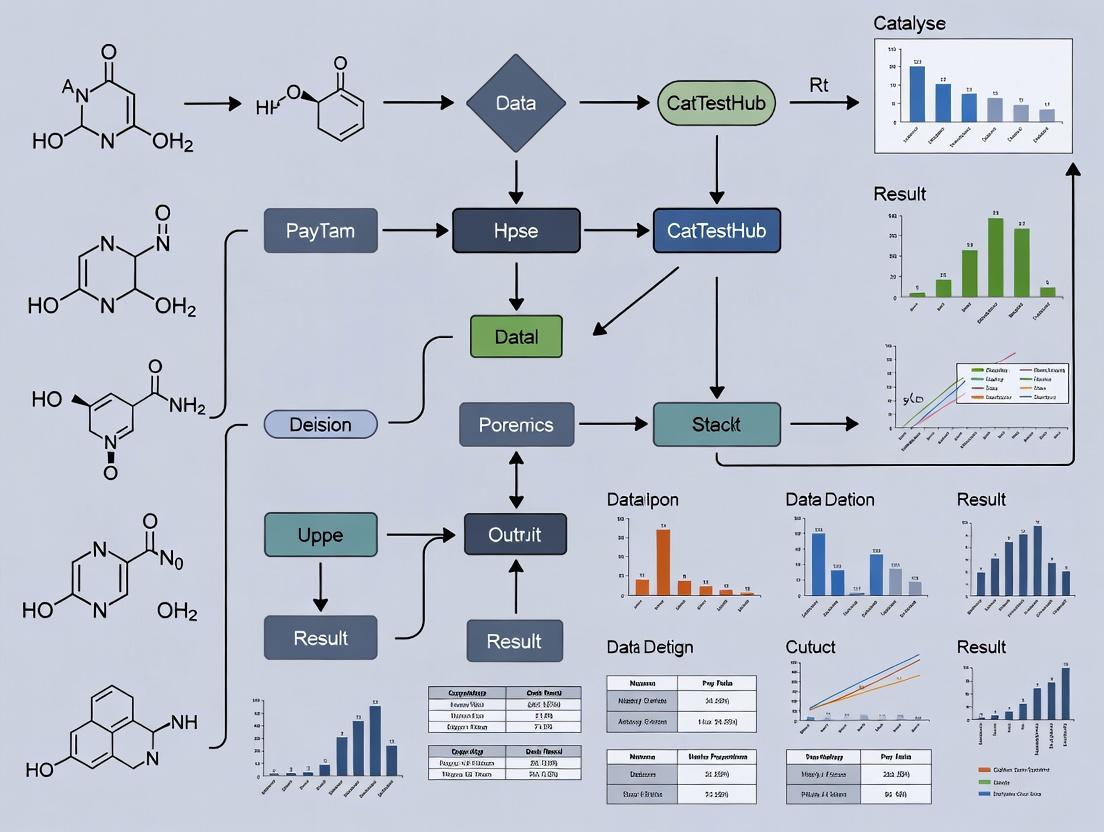
This article provides a complete framework for researchers and drug development professionals to understand, assess, and mitigate catalyst coking—a critical challenge in pharmaceutical synthesis.
Catalyst Deactivation Decoded: A Comprehensive Guide to Coking Assessment and Prevention with CatTestHub for Drug Development
Abstract
This article provides a complete framework for researchers and drug development professionals to understand, assess, and mitigate catalyst coking—a critical challenge in pharmaceutical synthesis. It begins by exploring the fundamental mechanisms of coking specific to heterogeneous catalysts used in API production. It then details the methodological application of the CatTestHub platform for systematic coking analysis, including experimental protocols and data interpretation. Practical guidance is offered for troubleshooting deactivation issues and optimizing catalyst performance and process conditions. Finally, the article covers validation strategies, comparative analysis of catalyst formulations, and the translation of lab-scale findings to robust, scalable processes. This holistic guide aims to enhance synthesis efficiency, reduce costs, and accelerate development timelines.
Understanding Catalyst Coking: Mechanisms, Impacts, and Criticality in Pharmaceutical Synthesis
Technical Support Center: Catalyst Coking Diagnostics & Mitigation
Welcome to the CatTestHub Technical Support Center. This resource is designed to support researchers within the broader CatTestHub thesis on systematic catalyst coking assessment and prevention. Below are troubleshooting guides and FAQs for common experimental challenges.
Frequently Asked Questions (FAQs)
Q1: During our microreactor test, we observe an initial activity surge followed by a rapid, irreversible decline. What is the likely coking mechanism? A1: This pattern is characteristic of rapid site poisoning, often from chemisorbed carbonaceous fragments (e.g., polyenes, polycyclic aromatics) that block active sites before forming thick polymeric/graphitic layers. It suggests strong adsorption of specific intermediates. Consider using Temperature-Programmed Oxidation (TPO) to identify the coke type (reactive vs. graphitic) and modify feed composition (e.g., add steam/hydrogen) or lower reaction temperature to suppress precursor formation.
Q2: Our post-reaction Temperature-Programmed Oxidation (TPO) shows two distinct CO₂ evolution peaks. How should we interpret this? A2: Multiple TPO peaks indicate different types of carbonaceous deposits with varying reactivity towards oxygen.
- Low-Temperature Peak (~300-400°C): Represents more reactive, hydrogen-rich, amorphous carbon or polymeric deposits.
- High-Temperature Peak (>500°C): Represents less reactive, hydrogen-deficient, graphitic carbon or filamentous coke. Quantifying the area under each peak helps assess the relative proportion of "soft" vs. "hard" coke.
Q3: What is the most effective technique to distinguish between monolayer carbon adsorption and 3D carbonaceous growth (whiskers/filaments)? A3: A combined characterization approach is essential:
- Chemisorption: A drastic, permanent drop in active metal surface area (e.g., via H₂ or CO pulse chemisorption) suggests site poisoning by monolayer adsorption.
- Electron Microscopy (SEM/TEM): Directly visualizes 3D carbon nanostructures (filaments, nanotubes) growing from metal particles.
- Raman Spectroscopy: The intensity ratio of the D-band (disordered carbon) to G-band (graphitic carbon) can inform on the structural order of the deposits.
Q4: How can we experimentally prove that coke originates from a specific reactant intermediate in our complex feed? A4: Employ isotopic labeling and operando spectroscopy.
- Protocol: Use a deuterated or ¹³C-labeled version of the suspected precursor molecule in an otherwise identical feed.
- Analysis: Track the label using Operando Mass Spectrometry (MS) or Fourier-Transform Infrared (FTIR) Spectroscopy. The appearance of the label in the coke deposits (e.g., via subsequent ¹³CO₂ evolution in TPO) confirms that molecule's role as a coke precursor.
Troubleshooting Guide: Common Experimental Issues
| Symptom | Possible Cause | Diagnostic Step | Proposed Mitigation |
|---|---|---|---|
| Irreversible activity loss in fixed-bed reactor | Pore mouth blocking by large aromatic molecules. | Perform N₂ physisorption; look for significant reduction in pore volume & accessible surface area. | Use a catalyst with larger pores or a hierarchical pore structure to facilitate diffusion. |
| Metal particle detachment/sintering post-coking | Weak metal-support interaction exacerbated by carbon filament growth. | Conduct post-reaction TEM to observe particle location at filament tips. | Employ a support that promotes strong metal interaction (e.g., reducible oxides like TiO₂, Nb₂O₅). |
| Inconsistent coking rates between lab-scale tests | Poor control of steam partial pressure or local hot spots. | Calibrate mass flow controllers, use bed diluent, and verify thermocouple placement. | Standardize startup/shutdown procedures and implement more precise feed vaporization. |
| TPO data shows no coke, but activity is lost | Poisoning by non-carbon species (S, Cl) or site blocking by strongly adsorbed intermediates. | Perform elemental analysis (CHNS) or XPS on spent catalyst. | Purify feed to remove heteroatom impurities; introduce a regenerative H₂ purge step. |
Experimental Protocol: Standardized Coking & TPO Assessment
Objective: To quantitatively assess the amount, type, and reactivity of carbonaceous deposits on a solid catalyst.
Materials:
- Reactors: Tubular fixed-bed quartz microreactor.
- Gas Delivery: Mass Flow Controllers (MFCs) for Ar, O₂, H₂, and reaction gases.
- Analytics: Online Gas Chromatograph (GC) and Mass Spectrometer (MS) coupled to the reactor outlet.
- Thermal Control: Programmable tube furnace with internal thermocouple.
Procedure:
- Pre-treatment: Load 50-100 mg of catalyst. Activate in 20% H₂/Ar (30 mL/min) at specified temperature (e.g., 500°C, 2h). Cool to reaction temperature in inert gas.
- Coking Reaction: Switch to reaction feed (e.g., n-hexane/H₂ mixture). Monitor conversion and product yield via online GC.
- Cooling & Purge: Stop reaction feed. Cool reactor to <100°C under inert Ar flow (50 mL/min) for 30 min.
- Temperature-Programmed Oxidation (TPO):
- Switch feed to 5% O₂/He (30 mL/min).
- Heat from 50°C to 900°C at a ramp rate of 10°C/min.
- Monitor MS signals for m/z = 44 (CO₂), 18 (H₂O), and 32 (O₂).
- Quantification: Calibrate the CO₂ MS signal using a known CO₂/He standard. The total coke mass is calculated by integrating the CO₂ evolution curve over time.
Catalyst Coking Pathways Diagram
Diagram Title: Pathways from Reactants to Coke-Induced Deactivation
CatTestHub Coking Analysis Workflow
Diagram Title: CatTestHub Coking Assessment Workflow
The Scientist's Toolkit: Key Research Reagent Solutions
| Item | Function in Coking Research |
|---|---|
| Fixed-Bed Microreactor System | Provides precise, scalable environment for controlled coking studies under realistic conditions. |
| Mass Flow Controllers (MFCs) | Ensures accurate and reproducible feed composition (hydrocarbon, H₂, diluent) for kinetic studies. |
| Online GC-MS System | Enables real-time monitoring of reaction products and coke precursors during deactivation. |
| Temperature-Programmed Oxidation (TPO) Setup | The core tool for quantifying coke amount and assessing its reactivity (burn-off temperature). |
| High-Resolution TEM | Directly visualizes carbon nanostructure (filaments, layers) and metal particle state. |
| Raman Spectrometer | Non-destructively characterizes the graphitic/ disordered nature of carbon deposits (D/G band ratio). |
| ¹³C-Labeled Reactants | Isotopic tracers to map the molecular origin of carbon in deposits via MS or NMR. |
| Pulse Chemisorption Analyzer | Measures the loss of accessible metal surface area due to site blocking by coke. |
Technical Support Center: CatTestHub Coking Assessment Troubleshooting
This support center provides guidance for researchers using the CatTestHub platform for investigating catalyst coking mechanisms. The FAQs and protocols are framed within our ongoing thesis on quantitative coking analysis and mitigation.
FAQs & Troubleshooting Guides
Q1: During accelerated coking experiments for polymerization-type coke, we observe inconsistent coke laydown rates between identical reactor runs. What could be the cause? A: Inconsistent polymerization coke rates often stem from trace oxygen or water contamination, which can initiate or inhibit free-radical chains. Verify your inert gas (e.g., UHP N₂, H₂) purification system. Ensure your moisture/oxygen traps (e.g., MnO/copper catalyst) are active. Pre-treat the catalyst in-situ under flowing inert gas at your reaction temperature for 2 hours before introducing hydrocarbon feed. Monitor system pressure with a high-sensitivity gauge; a pressure rise >0.1 psig during the pre-treatment phase indicates a leak.
Q2: When analyzing TPO (Temperature-Programmed Oxidation) data for condensation-type coke (e.g., on zeolites), the CO₂ peak is broad and poorly resolved. How can we improve peak definition for kinetic analysis? A: Broad TPO peaks indicate non-uniform coke combustion, often due to a too-high heating rate or mass transfer limitations. Use a lower heating rate (e.g., 2-5°C/min instead of 10°C/min). Ensure the catalyst bed is thin and well-dispersed in the sample holder. Mix the coked catalyst with an equal volume of inert, high-surface-area silica to improve O₂ access. Confirm the gas flow rate is sufficient for your reactor volume (typically >50 mL/min for a 0.1 g sample).
Q3: Our post-run GC-MS analysis for decomposition-type coke precursors shows no heavy species, but post-mortem TEM reveals filamentous carbon. What step are we missing? A: You are likely missing in-situ or on-line sampling. Decomposition products like atomic carbon or C₁ species (from CO dissociation or CH₄ cracking) rapidly form solid carbon before reaching the GC. Implement an on-line mass spectrometer (MS) to monitor real-time effluent for CO, CO₂, and CH₄. For in-situ characterization, consider using a reaction cell compatible with Raman spectroscopy to detect the D and G bands indicative of filament/graphitic carbon formation during reaction.
Q4: When comparing coke prevention additives, how do we quantitatively distinguish between reduced polymerization vs. reduced condensation mechanisms? A: This requires a combination of TPO and spectroscopic analysis. Run controlled coking experiments with and without the additive. Use the following diagnostic table:
Table 1: Diagnostic Data for Differentiating Coking Inhibition Mechanisms
| Analysis Technique | Polymerization Inhibition Indicator | Condensation Inhibition Indicator |
|---|---|---|
| TPO Peak Temp. Shift | Minor shift (<10°C lower) | Significant shift (>30°C lower) |
| Coke H/C Ratio (Elemental) | High H/C (>1.0) maintained | Lower H/C (<0.5) observed |
| UV-Raman Spectroscopy | Low Intensity D band (∼1350 cm⁻¹) | High Intensity D band (∼1350 cm⁻¹) |
| Post-run FTIR of Coke | Aliphatic C-H stretches (∼2900 cm⁻¹) | Aromatic C=C stretches (∼1600 cm⁻¹) |
Q5: The CatTestHub standard protocol calls for a 6-hour coking run. Can we shorten this for rapid screening? A: Yes, but with careful calibration. You can implement an Accelerated Stress Test (AST) using a higher temperature or a more reactive feed (e.g., propene vs. ethane). You must first establish a correlation curve between the 6-hour standard and your 1-hour AST for a set of reference catalysts. Perform at least 5 correlation experiments. The AST is valid only for ranking catalysts within the same family and should not be used for absolute deactivation rate predictions.
Experimental Protocols
Protocol 1: Standardized Accelerated Coking Test for Polymerization Mechanism (CatTestHub SOP-301) Objective: To deposit a controlled, reproducible amount of polymeric coke via the chain-growth mechanism. Materials: See "The Scientist's Toolkit" below. Method:
- Load 100.0 ± 0.5 mg of catalyst (sieve fraction 180-250 µm) into a fixed-bed quartz microreactor.
- Activate catalyst in-situ under 50 mL/min UHP H₂ at 500°C for 1 hour.
- Cool to reaction temperature (e.g., 350°C for light alkenes) under H₂.
- Switch feed to a calibrated mixture of 10% propene in N₂ at a total flow of 100 mL/min (WHSV ~ 60 h⁻¹). Start timer.
- Maintain isothermal conditions for a predetermined time (t_coke: 1-6 hours).
- At t_coke, switch feed back to pure N₂ and cool rapidly to 50°C.
- Unload catalyst for thermogravimetric (TGA) or Temperature-Programmed Oxidation (TPO) analysis.
Protocol 2: TPO Analysis for Coke Burn-Off Profile (CatTestHub SOP-407) Objective: To quantify coke amount and assess its oxidative reactivity (correlating to coke type). Method:
- Transfer 10-20 mg of coked catalyst from SOP-301 to a TGA pan or U-shaped quartz tube.
- Purge with 20 mL/min He for 15 min at room temperature.
- Heat to 150°C at 20°C/min under He, hold for 15 min to remove physisorbed water.
- Cool to 50°C.
- Switch gas to 5% O₂/He at 20 mL/min.
- Heat from 50°C to 850°C at a heating rate (β) of 5°C/min. Monitor weight loss (TGA) or CO₂ production (MS).
- Quantify total coke from integrated weight loss or CO₂ signal. Use reference CaCO₃ decomposition for MS calibration.
Diagrams
Title: CatTestHub Workflow for Coking Experiments
Title: Three Primary Coking Pathways
The Scientist's Toolkit: Key Research Reagent Solutions
Table 2: Essential Materials for Catalyst Coking Experiments
| Material/Reagent | Function & Specification | Critical Note for Reproducibility |
|---|---|---|
| UHP Gases (N₂, H₂, 5% O₂/He) | Inert carrier, reduction, and oxidation. Must be >99.999% pure. | Use in-line oxygen/moisture traps (e.g., Alltech Oxy-Trap, GasClean Moisture Trap) downstream of regulators. |
| Alkene Feedstock (e.g., Propene) | Standardized coking precursor for polymerization studies. | Use certified calibration gas mixtures (e.g., 10% C₃H₆ in N₂) from reputable suppliers. Prepare fresh mixtures for long studies. |
| Quartz Wool & Reactor Tubing | Catalyst bed support and containment. | Pre-clean by soaking in 10% HNO₃, rinsing with DI water, and calcining at 800°C in air for 4 hours before use. |
| Reference Catalysts (e.g., H-ZSM-5, γ-Al₂O₃, Ni/SiO₂) | Benchmarks for comparing coking rates and mechanisms. | Source from accredited bodies (e.g., Zeolyst, Sigma-Aldrich). Document exact Si/Al ratio, metal loading, and calcination history. |
| Calibration Standard for MS/TCD (e.g., 5% CO₂/He, 5% CH₄/He) | Quantitative analysis of combustion products (CO₂) or light gases. | Re-calibrate gas detectors before each set of TPO or effluent analysis experiments. |
| Thermogravimetric Analyzer (TGA) | Primary tool for quantifying coke burn-off mass loss. | Perform weekly baseline corrections with an empty pan. Calibrate temperature and weight with standard Curie point materials (e.g., alumel, nickel). |
The Direct Impact of Coking on Reaction Kinetics, Selectivity, and Yield in API Synthesis
Technical Support Center: Troubleshooting Coking in Catalytic API Synthesis
FAQs & Troubleshooting Guides
Q1: During a hydrogenation step in my API synthesis, I observe a sudden, irreversible drop in reaction rate. What is the likely cause, and how can I confirm it? A: The most likely cause is catalyst coking (carbon deposition) blocking active sites. To confirm:
- In-situ Test: Filter a small sample of the reaction slurry under inert atmosphere. Resume the reaction with fresh solvent and substrate. If the rate does not recover, the catalyst is deactivated.
- Ex-situ Analysis (Post-Reaction): Perform Thermogravimetric Analysis (TGA) on the spent catalyst. A mass loss between 300-600°C under air indicates coke combustion. Compare the coke burn-off profile to a fresh catalyst standard.
- Protocol for Spent Catalyst Analysis (TGA):
- Equipment: Thermogravimetric analyzer.
- Procedure: Load 10-20 mg of spent, dried catalyst into a platinum pan. Heat from 25°C to 800°C at 10°C/min under a 40 mL/min flow of synthetic air (20% O₂ in N₂).
- Data Interpretation: The derivative weight loss (DTG) peak temperature indicates coke reactivity. A higher peak temperature suggests more graphitic, hard coke.
Q2: My selectivity for the desired chiral intermediate shifts over time, producing more undesired enantiomer. Could coking be responsible? A: Yes. Selective coking can occur. If coke deposits preferentially on specific active site geometries responsible for the desired stereochemical outcome, the remaining sites may favor a different pathway.
- Troubleshooting Step: Characterize the surface of the coked catalyst using Temperature-Programmed Oxidation (TPO) coupled with mass spectrometry.
- Experimental Protocol (TPO-MS):
- Place 50 mg of spent catalyst in a quartz tube reactor.
- Flush with inert gas (He), then heat to 150°C and hold for 30 min to remove volatiles.
- Cool to 50°C. Switch gas to 5% O₂/He at 30 mL/min.
- Heat to 900°C at 5°C/min. Monitor MS signals for m/z=44 (CO₂) and m/z=18 (H₂O).
- Interpretation: Multiple CO₂ evolution peaks correspond to different types of carbonaceous deposits (e.g., amorphous vs. filamentous). Correlate the onset of selectivity loss with the type of coke that first begins to form.
Q3: What operational parameters in my fixed-bed reactor most directly influence coking rates during a continuous API synthesis step? A: Primary drivers are temperature, hydrogen partial pressure, and feedstock composition. Higher temperatures generally accelerate coking. For hydrogenation/dehydrogenation, low H₂ pressure promotes unsaturated, coke-precursor species.
Table 1: Operational Impact on Coking Rate and Kinetics
| Parameter | Increase Typically Leads To... | Recommended Mitigation Strategy |
|---|---|---|
| Temperature | Exponential increase in coking rate (follows Arrhenius law). Softer, more amorphous coke may form at lower T; harder, graphitic coke at higher T. | Operate at the lower bound of the catalyst's active temperature window. Implement temperature gradients or zones. |
| H₂ Partial Pressure | Decreased coking. Hydrogen promotes hydrocracking of coke precursors and keeps metal sites in reduced state. | Maintain H₂:substrate ratio above a critical threshold. For lab reactors, ensure proper gas saturation and mixing. |
| Space Velocity (LHSV) | Decreased coking at higher LHSV (shorter contact time). Lower LHSV increases residence time for secondary coking reactions. | Optimize for maximum yield, not just conversion. A modest conversion with high selectivity often reduces coking. |
| Feedstock Purity | Increased coking with higher levels of impurities (e.g., S, N, heavy metals) or conjugated dienes. These can accelerate deactivation. | Implement rigorous feed pre-treatment (e.g., guards beds, distillation, adsorption). |
| Catalyst Acidity | Increased coking on strong acid sites via carbocation/polymerization pathways. | For bifunctional catalysts, tune acid site strength and density. Consider surface doping to neutralize strongest acid sites. |
Q4: How can I quickly screen catalyst formulations for coking resistance in my lab? A: Use an accelerated coking test combined with a standard activity/selectivity benchmark reaction.
- Protocol for Accelerated Coking Screening:
- Benchmark Reaction: Establish baseline kinetics for all candidate catalysts under clean, standard conditions.
- Coking Step: Subject catalysts to a "stressing" cycle: e.g., expose to the substrate at elevated temperature (20-30°C above normal) and reduced H₂ pressure for a fixed period (e.g., 2-4 hours).
- Re-assessment: Return to standard benchmark conditions and measure the percentage activity/selectivity recovery.
- Post-mortem: Analyze the spent catalysts from step 2 via TGA to quantify coke load.
Table 2: Quantitative Impact of Coking Type on API Synthesis Metrics
| Coke Type | Typical Formation Temp. | Impact on Apparent Reaction Rate Constant (k) | Impact on Selectivity | Impact on Final Step Yield* | Common in API Steps |
|---|---|---|---|---|---|
| Amorphous / Polymeric | Low to Moderate (< 400°C) | Severe initial drop (up to 80% loss) due to pore blockage. | Can drastically alter, often reducing selectivity to desired product. | High Negative Impact (-Δ15-40%) | Low-T hydrogenations, early-stage coupling. |
| Filamentous (Nanotubes) | Moderate to High (400-600°C) | Gradual decrease (Δ40-70% over time); may retain some activity. | Moderate impact; may shift pathway as metal particles are reshaped. | Moderate Negative Impact (-Δ10-25%) | Dehydrogenations, reforming, amination. |
| Graphitic / Encapsulating | High (> 600°C) | Near-total and immediate deactivation (k → 0). | Selectivity becomes irrelevant due to full deactivation. | Severe Negative Impact (-Δ50%+) | High-temperature cyclization, pyrolysis steps. |
| Precursor Adsorbates | Reaction Temperature | Reversible or semi-reversible inhibition (Δ10-30% in k). | Can be highly selective, poisoning undesired pathways. | Low to Variable Impact (±Δ5%) | Chiral catalysis, delicate functional group manipulation. |
_Yield impact is estimated for a single catalytic step and assumes no process adjustment._*
The Scientist's Toolkit: Key Research Reagent Solutions
Table 3: Essential Materials for Coking Assessment Experiments
| Item | Function in Coking Research | Example/Catalog Consideration |
|---|---|---|
| Bench-Scale Fixed-Bed Reactor System | Provides realistic hydrodynamics for continuous flow coking studies. | Systems with multiple upstream gas lines, precise temperature zones, and on-line GC sampling. |
| Thermogravimetric Analyzer (TGA) | Quantifies total carbonaceous deposit mass via controlled combustion or pyrolysis. | Instrument capable of high-resolution mass tracking and coupled gas analysis (TGA-MS). |
| Temperature-Programmed Oxidation (TPO) System | Characterizes the reactivity and type of coke by its oxidation temperature profile. | Quartz micro-reactor connected to a calibrated mass spectrometer or NDIR detector. |
| Chemisorption Analyzer | Measures active metal surface area and dispersion before/after coking. | Uses H₂ or CO pulse chemisorption to quantify remaining accessible metal sites. |
| High-Purity Calibration Gases | Essential for reproducible TPO, TGA, and chemisorption experiments. | Certified 5% O₂/He, 10% H₂/Ar, 5% CO/He mixtures, with appropriate purities (>99.999%). |
| Standard Catalyst Samples | Benchmarks for coking behavior. Useful for method validation. | Pt/Al₂O₃, Ni/SiO₂ with certified dispersion from reputable suppliers. |
| In-situ IR Cell (ATR or DRIFTS) | Identifies surface intermediates and the early stages of coke precursor formation. | Reaction cell capable of controlled temperature and pressure with real-time spectral acquisition. |
Experimental Workflow & Conceptual Diagrams
Diagram 1: Coking Troubleshooting and Assessment Workflow (86 chars)
Diagram 2: Reaction Pathways Leading to Different Coke Types (84 chars)
Economic and Operational Consequences of Catalyst Deactivation for Drug Development Timelines
Technical Support Center
Troubleshooting Guides & FAQs
Q1: During a catalytic hydrogenation in drug intermediate synthesis, we observe a sudden, significant drop in reaction yield and rate. How can we determine if this is due to catalyst coking versus other forms of deactivation? A: A systematic diagnostic protocol is recommended. First, perform a visual inspection of the recovered catalyst. A dark, carbonaceous deposit is indicative of coking. Next, conduct Thermogravimetric Analysis (TGA) of the spent catalyst in an air atmosphere. A significant weight loss between 350-600°C confirms the combustion of coke. For a definitive analysis, use our CatTestHub Standard Protocol CTP-01 for coke quantification.
Q2: Our high-throughput screening (HTS) for catalytic cross-coupling reactions shows inconsistent results across plates. We suspect variable catalyst lifetime due to impurity-induced coking. How can we mitigate this? A: Inconsistent HTS data is a common symptom of uncontrolled catalyst deactivation. Implement the following: 1) Pre-treatment of substrates: Use solid-phase scavengers or short alumina plug filtration to remove protic impurities and peroxide species that accelerate coking. 2) Internal deactivation standard: Include a known coking-sensitive reaction in duplicate on each plate to monitor batch-to-batch catalyst performance. 3) Use CatTestHub’s HTS-Ready Catalyst Stability Kit (CSK-HTS), which includes pre-stabilized catalyst aliquots and inhibitor additives to extend operational lifetime.
Q3: What is the most effective method to regenerate a heterogenous catalyst deactivated by coke in a fixed-bed reactor used for a key deprotection step? A: In-situ regeneration is possible but requires careful control. The recommended protocol (CatTestHub RGP-02) involves: 1) Purging the reactor with inert gas (N₂) at reaction temperature to remove residual organics. 2) Introducing a dilute oxygen stream (2-5% O₂ in N₂) at a gradually increasing temperature ramp (2°C/min) to a maximum of 450°C. 3) Holding at 450°C for 2-4 hours. 4) Cooling under inert gas and re-activating with process gas. WARNING: Exothermic coke combustion must be controlled. Always monitor bed temperature with multiple thermocouples to prevent runaway exotherms (>600°C) that sinter the catalyst permanently.
Q4: How does catalyst coking specifically impact the cost and timeline of a drug development project compared to other catalyst failures? A: Coking introduces unique economic penalties due to its insidious onset and operational burdens. See quantitative impact comparison below.
Data Presentation: Impact of Catalyst Deactivation Modes
Table 1: Comparative Economic & Timeline Impact of Catalyst Deactivation Modes in Pharmaceutical Development
| Deactivation Mode | Typical Onset | Avg. Delay in API Step (days) | Avg. Cost Impact per Event | Primary Mitigation Cost | Regeneration Possible? |
|---|---|---|---|---|---|
| Coking / Fouling | Gradual or Sudden | 14 - 45 | $150,000 - $500,000 | Medium-High (Process Optimization) | Often (with activity loss) |
| Poisoning (Heavy Metals) | Immediate | 7 - 21 | $100,000 - $300,000 | Low (Substrate Purification) | Rare |
| Sintering / Thermal Degradation | Sudden | 30 - 60 | $500,000 - $1M+ | High (Reactor Redesign) | No |
| Leaching (Homogenous/Heterogenous) | Gradual | 21 - 35 | $200,000 - $750,000 | High (New Catalyst System) | No |
Table 2: CatTestHub Assessment Protocol Summary for Coking
| Protocol Code | Analysis Method | Key Metric | Time Required | Data Output |
|---|---|---|---|---|
| CTP-01 | Thermogravimetric Analysis (TGA) | % Weight Loss (Coke Burn-off) | 4 hours | Coke load (wt%), Burn-off Temp Profile |
| CTP-02 | Temperature-Programmed Oxidation (TPO) | CO₂ Evolution Profile | 6 hours | Coke reactivity, Coke type (graphitic vs. polymeric) |
| CTP-03 | STEM-EDX & Tomography | Spatial Coke Distribution | 48 hours | 3D coke deposition map, pore blockage analysis |
Experimental Protocols
Protocol CTP-01: Standard Quantification of Coke Deposits via TGA Objective: To determine the mass of carbonaceous deposit on a solid catalyst. Materials: Spent catalyst sample, TGA instrument, alumina crucibles, compressed air (zero grade), nitrogen. Methodology:
- Weigh an empty, clean alumina crucible. Record weight (W_c).
- Add 10-50 mg of spent catalyst to the crucible. Record precise weight (W_total).
- Load the crucible into the TGA. Purge the furnace with N₂ at 50 mL/min for 15 minutes.
- Heat from room temperature to 150°C at 20°C/min under N₂ and hold for 30 min to remove adsorbed water and volatiles.
- Switch gas to synthetic air (20% O₂ in N₂) at 50 mL/min.
- Heat from 150°C to 800°C at 10°C/min.
- Hold at 800°C for 30 min or until weight stabilizes.
- Cool to room temperature under N₂. Calculation: Coke Content (wt%) = [(Weight at 150°C after step 4) - (Weight at final stable plateau)] / (Weight of catalyst) * 100. The catalyst weight is Wtotal - Wc.
Protocol RGP-02: Controlled Regeneration of Coked Fixed-Bed Catalysts Objective: To safely remove coke deposits via oxidation without damaging catalyst integrity. Materials: Coked fixed-bed reactor system, thermal mass flow controllers for N₂ and Air, multi-point thermocouples along catalyst bed, off-gas analyzer (CO/CO₂/O₂). Methodology:
- Purging: After reaction, stop reactant feed. Purge reactor with N₂ at 2x the reaction space velocity for 1 hour at reaction temperature (T_react).
- Low-Oxygen Introduction: Set gas feed to 2% O₂ in N₂. Flow at the same space velocity.
- Temperature Ramping: Increase bed temperature from T_react to 450°C at a controlled ramp of 2°C/min. CRITICAL: Monitor all bed thermocouples. If any point exceeds the setpoint by >50°C, immediately switch to pure N₂ and pause ramping.
- Combustion Hold: Maintain at 450°C with 2% O₂ flow for 4 hours, or until off-gas CO₂ concentration returns to baseline.
- Cool-down: Switch to pure N₂. Cool the reactor to process temperature at 5°C/min.
- Re-activation: Introduce standard process/reducing gas as required for the specific catalyst (e.g., H₂ for noble metals) for 2 hours before resuming production.
Visualizations
Diagram Title: Catalyst Coking Impact on Drug Development Timeline
Diagram Title: CatTestHub Catalyst Coking Assessment Workflow
The Scientist's Toolkit: Research Reagent Solutions
Table 3: Essential Research Tools for Catalyst Coking Assessment & Prevention
| Item / Solution | Function / Purpose | Example Supplier/CatTestHub Code |
|---|---|---|
| CatTestHub Stability Screening Kit (CSSK-96) | Pre-formulated catalyst-inhibitor mixtures in 96-well plate format for rapid, consistent lifetime screening. | CatTestHub CSSK-96-Pd / CSSK-96-Ni |
| Solid-Phase Scavenger Cartridges (SC Series) | On-line purification of reaction feeds to remove catalyst poisons (peroxides, acids, divalent S) that accelerate coking. | SC-OX (peroxide), SC-A (acid), SC-S (sulfur) |
| In-Situ Reactor Probe for TPO/TPD | Micro-reactor insert allowing direct transfer of spent catalyst to TGA/TPO without air exposure, preserving coke state. | CatTestHub Probe-V2 |
| Coke Standard for TGA Calibration | Certified carbon-coated alumina standard for validating TGA coke quantification methods. | NIST RM 8860 / CatTestHub CSTD-1 |
| High-Temperature Fixed-Bed Reactor System (Mini) | Bench-scale system with multi-point thermocouples and mass flow control for safe regeneration studies (RGP-02). | Various OEMs / CatTestHub FBR-1000 |
Technical Support Center
Troubleshooting Guides & FAQs
Q1: During a microactivity test (MAT), we observe a rapid, unexpected pressure drop across the reactor. What could be the cause and how can we resolve it? A: A rapid pressure drop is a classic indicator of accelerated coking, often due to feedstock impurities or suboptimal process conditions. First, analyze your feedstock for elevated levels of basic nitrogen compounds (e.g., quinoline, >50 ppm) or polycyclic aromatics (>5 wt%). These strongly adsorb and promote condensation reactions. Immediate Action: Reduce the reactor temperature by 15-20°C to lower the coking rate. Verify that your catalyst pre-treatment (calcination) was complete, as residual moisture can exacerbate coking. For long-term resolution, implement feedstock pre-treatment (e.g., adsorption over alumina) or switch to a catalyst with higher mesoporosity (pore diameter >10 nm) to delay pore blockage.
Q2: Our Temperature-Programmed Oxidation (TPO) analysis shows multiple, poorly resolved coke oxidation peaks. How should we interpret this? A: Multiple TPO peaks indicate different types of coke with varying H/C ratios and locations. This is frequently linked to catalyst properties like acid site distribution and metal contamination.
- Low-temperature peak (~350°C): Amorphous, hydrogen-rich coke on weak acid sites. Suggests process conditions are too severe for the catalyst's acidity.
- High-temperature peak (>550°C): Graphitic, hydrogen-poor coke, often on metal sites (e.g., Fe, Ni contamination from feedstock) or in catalyst micropores.
- Protocol: Repeat TPO with a slower heating rate (5°C/min instead of 10°C/min) for better resolution. Cross-reference with NH3-TPD data; a catalyst with a high strong-acid-site density (>150 µmol/g) is prone to forming hard-to-oxidize coke.
Q3: Catalyst deactivation rate in our fixed-bed reactor is much higher than the bench-scale assessment predicted. What factors should we investigate? A: This scale-up discrepancy often stems from process condition gradients not present in small-scale tests. Key investigation points:
- Intra-particle diffusion limitations: At commercial scale, larger catalyst pellets can create concentration gradients, leading to localized coking. Verify using the Weisz-Prater criterion.
- Feedstock impurity consistency: Bulk feedstock may have variable impurity profiles (e.g., sulfur cycles). Implement on-line GC or mass spectrometry to track feedstock consistency.
- Thermal gradients: Map the reactor bed temperature. Hot spots (>10°C above setpoint) dramatically increase coking. Consider adding a guard bed or using a catalyst with a lower concentration of very strong acid sites.
Q4: How do we differentiate between coking caused by metal poisoning versus acidic site coking? A: Conduct a controlled experiment comparing spent catalysts using the protocol below.
| Characteristic | Metal-Induced Coking | Acid Site-Induced Coking |
|---|---|---|
| Primary Location | At the metal particle, spreading to support. | Directly on Brønsted acid sites. |
| Coke Morphology (TEM) | Filamentous, whisker-like. | Amorphous, encapsulating. |
| H/C Ratio (Elemental) | Often >0.5 (more hydrogen-rich initially). | Often <0.3 (highly dehydrogenated). |
| TPO Peak Max Temperature | Broader range, can be very high (>600°C). | Correlates with acid strength. |
| Prevention Strategy | Feedstock purification (demosalting), metal traps. | Optimize acid site density/strength, lower temperature. |
Experimental Protocol: Differentiation Test
- Split Testing: Use two identical catalyst samples. Impregnate one with 1000 ppm of a model metal (e.g., Nickel naphthenate). Leave the other pristine.
- Run Deactivation: Subject both to an accelerated coking run under identical process conditions (e.g., 500°C, 1 atm, heavy aromatics feed).
- Post-Analysis: Perform TPO, TEM, and elemental analysis (CHNS) on both spent samples. Compare data against the table above.
The Scientist's Toolkit: Research Reagent Solutions
| Reagent / Material | Function in Coking Research |
|---|---|
| Quinoline (or Acridine) | Model basic nitrogen compound. Used to poison acid sites and study the impact of feedstock impurities on coking routes. |
| 1-Methylnaphthalene / Pyrene | Model polycyclic aromatic compounds. Used to study condensation reactions leading to coke precursors. |
| Nickel(II) 2-ethylhexanoate | Source of Ni²⁺ for preparing metal-poisoned catalyst samples to simulate feedstock metal contamination. |
| Ammonia (for NH3-TPD) | Probe molecule to quantify catalyst acid site density and strength (a key catalyst property). |
| Thermogravimetric Analyzer | Core instrument for measuring coke burn-off (TPO) and quantifying coke deposition rates under controlled atmospheres. |
| Mesoporous Alumina Beads | Used as a guard bed or catalyst support to study the effect of pore architecture (catalyst property) on coke tolerance. |
Table 1: Impact of Feedstock Impurity Levels on Coke Yield (at 500°C, ZSM-5 Catalyst)
| Impurity Type | Concentration (ppm) | Coke Yield (wt% after 6 hr) | Catalyst Activity Loss (%) |
|---|---|---|---|
| None (Reference) | 0 | 2.1 | 15 |
| Basic Nitrogen | 50 | 5.8 | 52 |
| Basic Nitrogen | 200 | 12.3 | 89 |
| Polyaromatics | 5000 | 4.5 | 38 |
| Fe + Ni Contamination | 10 (each) | 8.7 (filamentous) | 70 |
Table 2: Effect of Process Conditions on Coking Rate (Fixed-Bed, Ni-Mo/Al2O3 Catalyst)
| Temperature (°C) | Pressure (bar) | LHSV (h⁻¹) | Coking Rate (mg C / g cat. / hr) | Predominant Coke Type |
|---|---|---|---|---|
| 380 | 30 | 1.5 | 0.8 | Soft (H/C ~0.8) |
| 410 | 30 | 1.5 | 2.4 | Intermediate |
| 440 | 30 | 1.5 | 6.1 | Hard (H/C ~0.3) |
| 410 | 50 | 1.5 | 1.9 | Intermediate |
| 410 | 30 | 0.8 | 3.5 | Intermediate/Hard |
Table 3: Catalyst Properties vs. Coke Resistance
| Catalyst Type | Acid Site Density (µmol NH3/g) | Avg. Pore Diameter (nm) | Coke at Deactivation (wt%) | TPO Peak Max (°C) |
|---|---|---|---|---|
| Amorphous SiO2-Al2O3 | 350 | 4.0 | 12 | 520 |
| USY Zeolite | 720 | 0.74 (micropores) | 8 | 580 |
| Mesoporous Alumina | 220 | 12.0 | 18 | 480 |
| Hierarchical ZSM-5 | 310 | 2.5 (micro) + 15.0 (meso) | 10 | 545 |
Experimental Protocols
Protocol 1: Accelerated Coking Microactivity Test (AC-MAT) Purpose: To standardize coking assessment for catalysts within the CatTestHub framework.
- Pre-treatment: Load 0.5 g of catalyst (80-100 mesh) into a fixed-bed reactor. Calcine in dry air (50 ml/min) at 500°C for 1 hour, then purge with N2.
- Coking Run: Switch to model feed (e.g., 20 wt% 1-methylnaphthalene in n-hexane) at a WHSV of 8 h⁻¹. Maintain reactor at desired temperature (e.g., 450-550°C) for a preset time (e.g., 30-120 min) under 1 atm N2.
- Stripping: After coking, switch to pure N2 flow at 500°C for 30 minutes to remove volatile hydrocarbons.
- Analysis: Cool under N2. Weigh spent catalyst for gross coke yield. Analyze coke via TPO, TGA, or solvent extraction.
Protocol 2: Temperature-Programmed Oxidation (TPO) for Coke Characterization Purpose: To quantify and qualify the coke on spent catalysts.
- Setup: Place 20-50 mg of coked catalyst in a TGA or a micro-reactor connected to a mass spectrometer or NDIR detector.
- Oxidation: Heat from 100°C to 800°C at a ramp rate of 5-10°C/min under a 5% O2/He flow (50 ml/min).
- Data Analysis: Plot weight loss (TGA) or CO2 signal (MS) vs. temperature. The number of peaks, their temperatures, and areas indicate coke type and amount.
Diagrams
Coking Factor Interaction Map
TPO Analysis Workflow
A Step-by-Step Guide to Coking Analysis: Implementing CatTestHub for Assessment and Monitoring
Technical Support Center: Troubleshooting & FAQs
Frequently Asked Questions
Q1: During a thermogravimetric analysis (TGA) run for coke quantification, I observe significant mass loss before the expected coke combustion temperature (~500°C). What could be causing this?
A1: Premature mass loss is often due to moisture desorption or evaporation of weakly adsorbed hydrocarbons. Ensure your pre-treatment protocol is correctly applied.
- Protocol: Prior to TGA analysis, purge the sample in an inert gas (N₂ or He) at 150-200°C for 60-90 minutes to remove physisorbed species. Verify gas lines are leak-free and moisture traps are functional.
- Check: Confirm the reactor's temperature calibration and the stability of your carrier gas flow rate.
Q2: The catalytic activity data from the Microactivity Test (MAT) module shows high variability between duplicate runs. What are the primary sources of this error?
A2: Inconsistent data typically stems from sample preparation or reactor conditions.
- Protocol:
- Catalyst Sieving: Use a narrow particle size fraction (e.g., 80-100 mesh). Sieve carefully for at least 10 minutes.
- Catalyst Loading: Use a microbalance (0.01 mg precision) and ensure uniform packing in the reactor basket.
- Feed Injection: Calibrate the syringe pump weekly. Use a pre-heated vaporization zone to ensure instantaneous and complete feed vaporization.
- Reference Data: Under standardized conditions (ZSM-5 catalyst, 550°C, 1 atm, WHSV=4 h⁻¹), duplicate runs should yield conversion values within ±2.5%.
Q3: The characterization results from the spent catalyst analysis module (e.g., DRIFTS, XPS) do not correlate well with the observed deactivation. What step might be missing?
A3: This indicates potential sample contamination or alteration post-reaction. A critical step is the proper quenching and passivation of the spent catalyst.
- Protocol: After reaction, immediately purge the reactor with inert gas while cooling. Once at <50°C, introduce a 1% O₂ in N₂ mixture (by volume) for 60-120 minutes to passivate the pyrophoric coke. This stabilizes the surface for ex-situ analysis without significant oxidation of the carbon deposits.
Research Reagent Solutions & Essential Materials
| Item Name | Function | Key Specification |
|---|---|---|
| Reference Catalyst (ZSM-5, 30 Si/Al) | Benchmark for coking studies; provides consistent acidity and pore structure. | Zeolite, Brønsted acid site density: ~0.4 mmol/g. |
| n-Hexane/Aromatic Feedstock | Standard model compound for coking experiments. | >99.9% purity, stored under N₂ with molecular sieve. |
| Calibration Gas Mixture (for GC/MS) | Quantifies gaseous products (C1-C4, H₂). | 5% each component in He, certified standard. |
| Inert Purge Gas (He/N₂) | Provides oxygen-free environment for reaction and pre-treatment. | High purity (99.999%), with in-line oxygen/moisture traps. |
| Passivation Gas Mixture | Safely stabilizes spent catalysts with coke deposits for handling. | 1% O₂ in N₂, certified mix. |
Experimental Protocols
Protocol 1: Standard Microactivity Test (MAT) for Coking Rate Determination
- Loading: Load 0.10 ± 0.001 g of sieved catalyst (80-100 mesh) into the fixed-bed reactor.
- Activation: Heat to 500°C (10°C/min) under 50 sccm He flow, hold for 1 hour.
- Reaction: Cool to target reaction temperature (e.g., 450-550°C). Switch feed to pre-vaporized model compound (e.g., n-hexane) via syringe pump at Weight Hourly Space Velocity (WHSV) of 4.0 h⁻¹.
- Product Analysis: Direct effluent to online GC/MS for analysis at 5, 10, 15, and 30-minute intervals.
- Quenching: Stop feed, re-establish 50 sccm He, and cool rapidly to room temperature.
- Calculation: Calculate conversion (%) and coke yield (wt.%) based on carbon balance.
Protocol 2: Thermogravimetric Analysis (TGA) of Coke Burn-Off
- Loading: Place 10-20 mg of spent, passivated catalyst in a ceramic crucible.
- Conditioning: Heat to 150°C under 40 mL/min N₂, hold for 30 min to remove moisture.
- Combustion: Cool to 100°C, then switch gas to synthetic air (40 mL/min). Heat to 900°C at 10°C/min.
- Data Analysis: The mass loss between ~300°C and 600°C is attributed to combustion of different carbon types (e.g., filamentous vs. amorphous coke).
Data Presentation
Table 1: Representative Coking Data from CatTestHub Benchmark Studies
| Catalyst | Temp (°C) | Time-on-Stream (min) | Conv. Initial (%) | Conv. Final (%) | Coke Yield (wt.%) | Coke Burn-off Peak Temp (°C) |
|---|---|---|---|---|---|---|
| ZSM-5 (30 Si/Al) | 450 | 30 | 92.5 | 85.2 | 3.1 | 525 |
| ZSM-5 (30 Si/Al) | 550 | 30 | 98.7 | 72.4 | 7.8 | 560 |
| γ-Al₂O₃ | 550 | 30 | 15.3 | 14.1 | 1.2 | 615 |
Visualizations
Diagram Title: CatTestHub Standard Experimental Workflow for Coking Studies
Diagram Title: Acid-Catalyzed Coking Pathway Leading to Deactivation
Troubleshooting Guides & FAQs
Stress Test Experimentation
Q1: Our catalyst shows no significant deactivation under high-temperature stress tests, contrary to expected coking behavior. What could be wrong? A: This often indicates insufficient severity in test conditions or an incorrect model reaction. First, verify your reaction environment is truly reducing (for hydrocarbon feeds) or oxidizing as intended. Ensure your feed contains appropriate coke precursors (e.g., higher olefins, aromatics). Consider implementing a Two-Stage Stress Protocol: Stage 1: High Temperature (e.g., 50-100°C above normal operating temperature) with standard feed. Stage 2: Introduce "spike" feeds with known coking agents (e.g., 1% 1,3-butadiene in n-hexane) for 2-hour intervals. Monitor activity decay every 30 minutes.
Q2: We observe inconsistent deactivation rates between duplicate accelerated coking experiments. How can we improve reproducibility? A: Inconsistency typically stems from feed contamination or catalyst pre-treatment variation. Implement a strict pre-experiment protocol:
- Catalyst Pre-reduction/Activation: Use a standardized temperature ramp (e.g., 10°C/min to 500°C) under pure H₂ (or specified gas) for a fixed duration (e.g., 2 hours).
- Feed Purity Checks: Analyze feed stock via GC-MS weekly for decomposition products.
- In-situ Reactor Baseline: Before introducing coking feed, run the model reaction under standard conditions until conversion stabilizes (±2% for 3 consecutive measurements). Record this baseline activity (A₀).
Q3: During model reaction studies for coking, how do we distinguish between reversible adsorption (poisoning) and irreversible coke formation? A: Perform a Regeneration Cycle Test.
- Step 1: Run accelerated deactivation experiment.
- Step 2: Switch to inert gas (N₂, Ar) at test temperature for 1 hour to purge physisorbed species.
- Step 3: Perform a mild oxidative regeneration (e.g., 2% O₂ in N₂ at 450°C for 2 hrs).
- Step 4: Re-activate catalyst (standard reduction step).
- Step 5: Re-measure activity under baseline conditions. Compare pre- and post-regeneration activity. Activity recovery >80% suggests reversible poisoning. Recovery <50% indicates significant irreversible coking.
Analysis & Data Interpretation
Q4: Our TPO (Temperature Programmed Oxidation) analysis of coke shows multiple, poorly resolved peaks. How can we improve resolution for coke characterization? A: Overlapping peaks indicate a complex coke mixture. Modify your TPO protocol:
- Reduce heating rate from standard 10°C/min to 5°C/min.
- Use a lower initial O₂ concentration (1% vs. 5% in He) to slow oxidation and improve separation.
- Ensure a high gas flow rate (e.g., 50 mL/min for a 100 mg sample) to avoid mass transfer limitations.
- Calibrate the CO₂ detector with known quantities of oxalic acid or calcium oxalate decomposed in situ.
Q5: When using model reactions like n-hexane cracking over zeolites, how do we select the right metrics for deactivation? A: Do not rely solely on conversion. Track Product Selectivity Ratios over time, as coke alters the catalyst's pore structure and acid site distribution. Key metrics include:
- Iso/n-paraffin ratio (for bifunctional catalysts).
- (C1+C2) / (C5+) ratio (indicative of hydrogen transfer vs. cracking).
- Aromatics formation rate. A stable conversion with shifting selectivity indicates selective site deactivation, a key insight for prevention strategies within CatTestHub's research framework.
Table 1: Common Stress Test Conditions for Accelerated Coking
| Catalyst Type | Model Reaction | Typical Temp. Range (°C) | Accelerated Temp. (°C) | Common Coke Precursor Additive | Expected Time to 50% Deactivation |
|---|---|---|---|---|---|
| Fluid Catalytic Cracking (FCC) Zeolite | n-Heptane Cracking | 450-550 | 600-650 | 1,3,5-Trimethylbenzene (0.5-2 wt%) | 4-10 hrs |
| Steam Reforming (Ni-based) | Methane Steam Reforming | 700-850 | 900-950 | Ethylene (1-3 vol%) | 10-24 hrs |
| Automotive Three-Way | CO Oxidation (under rich conditions) | 300-500 | 600 | Toluene or 1,3-Butadiene (2000 ppm) | 6-15 hrs |
| Hydroprocessing (Co-Mo/Al₂O₃) | Thiophene HDS | 300-350 | 400 | Naphthalene or Pyrene (5 wt% in dodecane) | 12-48 hrs |
Table 2: Post-Run Coke Analysis Techniques Comparison
| Technique | Information Gained | Sample Size | Detection Limit | Key Limitation |
|---|---|---|---|---|
| Temperature Programmed Oxidation (TPO) | Coke burn-off temp (type), approx. quantity | 50-200 mg | ~0.1 wt% C | Quantification requires calibration; species overlap. |
| Thermo-Gravimetric Analysis (TGA) | Precise coke weight % | 10-50 mg | ~0.01 mg | Does not identify coke species; bulk measurement. |
| Laser Raman Spectroscopy | Coke structure (ordered vs. disordered graphitic carbon) | ~1 mg | ~0.1 wt% | Fluorescence interference from catalyst support. |
| UV-Vis Diffuse Reflectance | Aromaticity, polycyclic aromatic hydrocarbon (PAH) size | 20-100 mg | ~0.01 wt% | Semi-quantitative; reference spectra needed. |
Experimental Protocols
Protocol 1: Standard Accelerated Deactivation Test via Model Reaction (Fixed-Bed Reactor)
Objective: To induce and monitor catalyst coking under controlled, accelerated conditions. Materials: See "The Scientist's Toolkit" below. Procedure:
- Catalyst Loading: Sieve catalyst to 150-250 µm. Load 0.5 g (exact weight, W_cat) into quartz reactor tube, bracketed by quartz wool.
- Pre-treatment: Under 50 mL/min H₂ (or specified gas), heat from RT to 500°C at 5°C/min, hold for 2 hours. Cool to reaction temperature in same gas.
- Baseline Activity: Switch to model reaction feed (e.g., n-hexane, 5 kPa in H₂, total flow 60 mL/min). Measure conversion and selectivity via online GC at 30-min intervals until stable (defined as <2% variation over 90 min). Record as A₀.
- Accelerated Deactivation: Increase temperature by ΔT (e.g., +75°C). Optionally, introduce spike feed (coke precursor). Maintain flow.
- Monitoring: Measure conversion/selectivity every 20-30 minutes. Continue until conversion drops to 50% of A₀ or for a maximum of 24 hours.
- Shutdown: Cool to 150°C in reaction feed, then switch to inert gas (N₂) until RT.
- Coke Analysis: Unload catalyst carefully for TPO/TGA analysis.
Protocol 2: Temperature Programmed Oxidation (TPO) for Coke Characterization
Objective: To quantify and qualify carbonaceous deposits based on their oxidation temperature. Materials: Micromeritics AutoChem II or equivalent, 10% O₂/He mixture, thermal conductivity detector (TCD), cold trap (dry ice/isopropanol) before TCD to remove H₂O. Procedure:
- Sample Preparation: Load 50-100 mg of spent catalyst from Protocol 1 into a U-shaped quartz sample tube.
- Pre-oxidation Purge: Heat to 150°C at 20°C/min under 50 mL/min He, hold for 30 min to remove physisorbed volatiles.
- TPO Ramp: Cool to 50°C. Switch gas to 10% O₂/He (50 mL/min). After baseline stabilizes, heat to 900°C at 10°C/min (or 5°C/min for better resolution).
- Data Analysis: Monitor TCD signal (m/z=44 for CO₂ is preferable with MS). Calibrate peak area by injecting known volumes of pure CO₂. Calculate coke content from total CO₂ evolved. Deconvolution of overlapping peaks indicates different coke types (e.g., ~500°C = amorphous, ~650°C = graphitic).
Diagrams
Diagram 1: Workflow for CatTestHub Coking Assessment
Diagram 2: Coke Formation Pathways in Model Reactions
The Scientist's Toolkit: Research Reagent Solutions
| Item | Function in Experiment | Example/Catalog Consideration |
|---|---|---|
| Model Compound Feed | Simulates real feed complexity; provides controlled coke precursor. | n-Hexane (alkane), 1-Hexene (olefin), Toluene (aromatic). Use HPLC/GC grade. Sigma-Aldrich, 293253 (n-hexane). |
| Coke Precursor "Spike" | Accelerates deformation predictably for stress tests. | 1,3-Butadiene (gas, 1% in N₂), 1,3,5-Trimethylbenzene (Mesitylene). Sigma-Aldrich, M7200. |
| Calibration Gas for TPO | Essential for quantifying coke from CO₂ signal. | 1.00% CO₂ in He (for TCD/MS calibration). Certified standard. Airgas, CD 1P 1.0. |
| Internal Standard for GC | Ensures accurate quantification of reaction products amidst conversion changes. | iso-Octane or Cyclohexane (inert under test conditions). Added to feed at known concentration. |
| TPO Reactor Tube | Holds catalyst during oxidation analysis; must be inert at high T. | Quartz U-tube, 3/8" OD. Supplied with analyzer (Micromeritics) or from technical glass vendors. |
| Catalyst Sieve Set | Provides uniform particle size for consistent packing and mass transfer. | 60 Mesh (250 µm) and 100 Mesh (150 µm) stainless steel sieves. Cole-Parmer, UX-20060-00. |
| On-line GC Microreactor | Integrates reaction and analysis for real-time activity monitoring. | Altamira AMI-300 or similar. Includes furnace, mass flow controllers, and GC sampling valve. |
Standard Operating Procedures for Post-Reaction Catalyst Characterization
CatTestHub Technical Support Center
Troubleshooting Guide & FAQ
General Procedure Issues
Q1: After a coking reaction in the CatTestHub unit, my catalyst sample shows inconsistent coke burn-off profiles during Temperature-Programmed Oxidation (TPO). What could be the cause?
- A: Inconsistent gas flow or sample channeling in the fixed-bed micro-reactor is the most likely culprit. Ensure the catalyst bed is uniformly packed with inert quartz wool above and below. Prior to TPO, verify the mass flow controller calibration using a bubble flow meter. A channeled bed leads to uneven oxygen contact, causing broad, multi-peak CO₂ evolution.
Q2: I am getting poor resolution and broad peaks in my NH3-Temperature-Programmed Desorption (NH3-TPD) analysis for measuring acid site density after coking. How can I improve this?
- A: This is often due to incomplete removal of physisorbed ammonia. Implement a rigorous pre-desorption purge step. After saturation and physisorbed ammonia removal at 150°C, purge with an inert carrier gas (He/Ar) for a minimum of 60 minutes at the adsorption temperature before initiating the temperature ramp. Ensure your thermal conductivity detector (TCD) baseline is stable before starting.
Analytical Instrumentation & Data
Q3: My X-ray Photoelectron Spectroscopy (XPS) data shows a shifting carbon 1s peak over time during analysis. Is this catalyst degradation?
- A: This is likely X-ray-induced beam damage or continuous charging of the insulating coke layer. Mitigate by using a lower X-ray power (e.g., 50 W instead of 150 W), a charge neutralizer (flood gun), and acquiring spectra rapidly from multiple spots. Always document analysis conditions for cross-comparison within the CatTestHub database.
Q4: Thermogravimetric Analysis (TGA) for coke quantification shows mass gain instead of loss during the oxidation step. What does this mean?
- A: A mass gain indicates oxidation of metallic components (e.g., reduced metal sites) to their oxides, competing with coke burn-off. This is common for metal-supported catalysts. To isolate the coke-specific mass loss, always run a background TGA profile on a fresh, pre-reduced catalyst under identical conditions and subtract it from the coked sample profile.
Data Presentation: Quantitative Benchmarks for Common Characterization Techniques
Table 1: Key Parameters for Post-Coking Catalyst Characterization Techniques
| Technique | Primary Measured Property | Typical Data Output | Critical Parameter for Reproducibility | Expected Analysis Time (Per Sample) |
|---|---|---|---|---|
| TGA-DSC | Coke weight %, Burn-off Enthalpy | Mass loss % vs. Temp, Heat Flow (mW) | Heating Rate (Standard: 10°C/min in air) | 2-3 hours |
| TPO-MS | Coke reactivity, CO₂ evolution profile | CO₂ signal (a.u.) vs. Temp | Gas Composition (e.g., 5% O2/He), Flow Rate (30 mL/min) | 1.5-2 hours |
| NH3-TPD | Acid site density & strength | Desorbed NH₃ (μmol/g) vs. Temp | Ramp Rate (10°C/min), Saturation Protocol | 3-4 hours |
| BET Surface Area | Specific surface area (m²/g) | N₂ adsorption isotherm | Outgas Temperature (300°C, vacuum, 3h) | 6-8 hours |
| XPS | Surface elemental composition, C speciation | Atomic %., C-C, C-O, C=O peak ratios | Analysis Depth (~10 nm), Pass Energy (20-50 eV) | 1-2 hours |
Experimental Protocols
Protocol 1: Temperature-Programmed Oxidation (TPO) with Mass Spectrometry for Coke Reactivity
- Sample Prep: Load 50-100 mg of coked catalyst into a quartz U-tube reactor. Secure with quartz wool.
- Gas Setup: Connect to a system with mass flow controllers. Use a gas mixture of 5% O₂ in He at a total flow of 30 mL/min.
- Pre-Treatment: Flush the sample at room temperature for 15 minutes to remove air.
- Analysis: Heat the reactor from 50°C to 800°C at a linear ramp of 10°C/min.
- Detection: Monitor the effluent gas with a mass spectrometer (MS). Track the m/z=44 (CO₂) signal continuously.
- Calibration: Quantify total coke by integrating the CO₂ peak and comparing to a calibrated CO₂ injection.
Protocol 2: Acid Site Analysis via NH3-TPD After Coking
- Pre-Treatment: Place 100 mg of sample in a quartz tube. Heat to 500°C (10°C/min) under He flow (50 mL/min) for 1 hour to remove volatiles.
- Ammonia Saturation: Cool to 150°C. Switch gas to 5% NH3/He for 60 minutes.
- Physisorbed NH3 Removal: Switch back to pure He at 150°C. Purge for 60-90 minutes until TCD baseline stabilizes.
- Desorption: Heat from 150°C to 600°C at 10°C/min under He flow. Record the TCD signal.
- Quantification: Calibrate the TCD response by injecting known volumes of pure NH3. Integrate desorption peaks to calculate total acid site density (μmol NH3/g catalyst).
Mandatory Visualization
Post-Coking Catalyst Characterization Workflow
Linking Coke Effects to Characterization Methods
The Scientist's Toolkit: Research Reagent Solutions
Table 2: Essential Materials for Post-Reaction Catalyst Characterization
| Item | Function in Characterization | Critical Specification/Note |
|---|---|---|
| High-Purity Calibration Gases (5% O2/He, 5% NH3/He, 10% CO2/He) | Used for TPO, TPD, and MS calibration. Essential for quantitative analysis. | Certified analytical grade (±1% composition accuracy). Use proper regulators. |
| Quartz Wool & Reactor Tubes | For packing catalyst beds in micro-reactors (TPO, TPD). Inert at high temperatures. | Must be acid-washed and pre-calcined (800°C) to remove contaminants. |
| Reference Catalysts (e.g., SiO2, Al2O3 with known surface area) | Benchmarks for validating BET surface area and TPD instrument performance. | Obtain from certified bodies (e.g., NIST, EURACA). |
| Conductive Carbon Tape & Mounting Stubs | For securing powder catalysts for SEM/EDS and XPS analysis without contamination. | Use high-purity, adhesive-only tapes to avoid interfering spectral signals. |
| Inert Liquid Standard for BET | Used in BET surface area analysis for displacement (e.g., water) to measure sample density. | High-purity, degassed. |
| XPS Charge Neutralizer Flood Gun Filament | Critical for analyzing insulating coked catalysts to prevent surface charging and peak shifting. | Standard equipment on modern XPS; ensure it is correctly aligned and activated. |
Technical Support Center: Troubleshooting & FAQs
This technical support center is part of the CatTestHub initiative for integrated catalyst coking assessment and prevention research. It is designed to assist researchers in overcoming common experimental challenges in quantitative coking analysis.
Frequently Asked Questions (FAQs)
Q1: During TGA analysis, my baseline is unstable and drifts significantly, affecting mass loss accuracy. What could be the cause? A: Baseline drift in Thermogravimetric Analysis (TGA) is often due to:
- Buoyancy Effect: Changes in gas density with temperature create an apparent mass change. Solution: Always run a blank experiment with an empty crucible under identical conditions and subtract this baseline from your sample data.
- Gas Flow Fluctuations: Ensure your purge gas (e.g., N₂, Ar) flow rate is stable and calibrated. Check for leaks in the gas line.
- Condensation: Volatiles from the sample can condense on cooler parts of the microbalance. Solution: Ensure adequate purge gas flow and verify the instrument's cleaning state.
Q2: In Temperature-Programmed Oxidation (TPO), I get broad, overlapping CO₂ peaks. How can I improve resolution to distinguish between different coke types? A: Broad peaks indicate simultaneous oxidation of multiple carbon forms. To improve resolution:
- Reduce Heating Rate: Lower the ramp (e.g., from 10 °C/min to 5 °C/min or lower) to separate oxidation events.
- Optimize Gas Composition: Use a dilute O₂ stream (e.g., 2-5% O₂ in He) to slow the oxidation kinetics, preventing a rapid, exothermic burn-off that convolutes signals.
- Check Sample Mass: Use a smaller sample mass (< 20 mg) to avoid mass/heat transfer limitations and temperature gradients.
Q3: My Raman spectra for coke show high fluorescence background, obscuring the D and G bands. How do I mitigate this? A: Fluorescence is common in coked samples.
- Use a Longer Wavelength Laser: Switch from a 532 nm laser to 785 nm or even 1064 nm (NIR) to significantly reduce fluorescence excitation.
- Photobleaching: Expose the sample spot to the laser for an extended period (seconds to minutes) before acquiring the spectrum; the fluorescent signal often decays.
- Adjust Focus: Slightly defocusing the laser can reduce the power density and sometimes minimize fluorescence.
- Baseline Subtraction: Use advanced polynomial or modified polynomial fitting algorithms (e.g., Vancouver Raman Algorithm) in your processing software.
Q4: How do I correlate coke amounts from TGA/TPO with the structural information from Raman? A: This is a core multi-technique approach for CatTestHub.
- Sequential Analysis: First, run TPO on a sample aliquot to quantify the total coke burn-off via integrated CO₂.
- Spatial Correlation: For the same catalyst batch, use Raman mapping on a pressed pellet to assess the spatial distribution and structure (ID/IG ratio) of the coke.
- Data Table: Create a unified results table (see below) for each tested catalyst condition.
Table 1: Comparison of Key Coking Analysis Techniques
| Technique | What it Measures (Coke Property) | Typical Output/Data | Key Quantitative Metrics | Advantages | Limitations |
|---|---|---|---|---|---|
| TGA | Mass & Thermal Stability | Mass (%) vs. Temperature/Time | Coke wt.% = Mass loss in specific temp. range | Quantitative, simple, determines total amount. | No chemical info on CO/CO₂, overlapping events. |
| TPO | Reactivity & Burn-off Profile | CO₂ concentration vs. Temperature | Peak Temp. (T_max), Peak area (→ coke amount) | Identifies coke type by reactivity (e.g., graphitic vs. amorphous). | Requires calibrated MS/GC; may alter sample. |
| Raman | Molecular Structure & Order | Intensity vs. Raman Shift (cm⁻¹) | ID/IG ratio, G band position, FWHM | Non-destructive, structural detail (graphitization). | Semi-quantitative, fluorescence interference. |
Table 2: TPO Peak Temperatures for Different Coke Types
| Coke Type / Structure | Typical TPO Peak Maximum (CO₂) | Associated Catalyst Deactivation |
|---|---|---|
| Amorphous / Aliphatic Coke | 300 - 450 °C | Pore blocking, site coverage. |
| Aromatic / Polycyclic Coke | 450 - 550 °C | Strong site coverage, diffusion limits. |
| Graphitic / Pre-Graphitic Carbon | > 550 °C | Encapsulation, severe diffusion limits. |
Note: Temperatures are approximate and depend on O₂ concentration, heating rate, and catalyst-coke interaction.
Experimental Protocols
Protocol 1: Standard TGA for Coke Quantification (ISO 11358)
- Principle: Measure mass loss of coked catalyst during temperature-programmed oxidation in air.
- Procedure:
- Preparation: Load 10-20 mg of finely ground, coked catalyst into a pre-cleaned, tared alumina crucible.
- Baseline: Run an empty crucible through the method to record and store a buoyancy correction curve.
- Experiment: Place sample in TGA. Purge with N₂ (50 mL/min) at room temp for 10 min. Heat to 150 °C at 20 °C/min, hold for 10 min to remove moisture. Cool to 50 °C. Switch gas to synthetic air (50 mL/min). Heat from 50 °C to 800 °C at 10 °C/min.
- Analysis: The mass loss between 150 °C and 800 °C in the air atmosphere is attributed to combusted coke. Report as weight percent of the initial coked sample mass.
Protocol 2: TPO with Mass Spectrometry Detection
- Principle: Monitor evolved gases (CO₂, H₂O, CO) during oxidation to profile coke reactivity.
- Procedure:
- Setup: Connect a U-tube quartz micro-reactor to a mass spectrometer (MS). Calibrate the MS signal for CO₂ (m/z=44) using known pulses of calibration gas.
- Loading: Place 50-100 mg of coked catalyst (sieved to 250-500 µm) in the reactor between quartz wool plugs.
- Pre-treatment: Heat to 200 °C under inert He flow (30 mL/min) for 30 min to desorb physisorbed species.
- Oxidation: Cool to 100 °C. Switch to 5% O₂/He (30 mL/min). Start temperature programming at 5-10 °C/min up to 800 °C, holding the final temperature for 15 min.
- Analysis: Record the CO₂ profile. The area under the curve (after baseline subtraction) is proportional to total coke. Use calibration for absolute quantification. The peak temperature (T_max) indicates coke reactivity.
Protocol 3: Raman Spectroscopy for Coke Characterization
- Principle: Analyze the vibrational modes of carbon structures to determine graphitic character.
- Procedure:
- Sample Prep: Press a small amount of coked catalyst powder into a pellet or place it on a glass slide. Avoid excessive pressure that may alter the coke structure.
- Acquisition: Using a 785 nm laser to minimize fluorescence. Set laser power low (e.g., 1-5 mW at sample) to avoid laser-induced heating/oxidation. Use a 50x objective. Accumulate 3-10 scans of 10-30 seconds each to improve S/N ratio.
- Processing: Subtract a fluorescence baseline (e.g., polynomial fit). Fit the first-order Raman region (1000-2000 cm⁻¹) with Lorentzian (or Breit-Wigner-Fano for G band) functions for the D band (~1350 cm⁻¹) and G band (~1580-1600 cm⁻¹).
- Analysis: Calculate the intensity ratio (ID/IG). A higher ratio indicates more structural defects (less graphitized coke). Monitor the G band position shift, which correlates with graphitization degree.
Visualizations
Diagram 1: Integrated Coking Analysis Workflow for CatTestHub
Diagram 2: Coke Oxidation Pathway in TPO
The Scientist's Toolkit: Research Reagent Solutions
Table 3: Essential Materials for Coking Analysis Experiments
| Item / Reagent | Function / Role in Analysis | Typical Specification / Notes |
|---|---|---|
| High-Purity Alumina Crucibles (TGA) | Sample holder; inert, stable at high temperatures. | Use same type for baseline and sample runs. |
| Calibration Gas (TPO) | For quantitative MS/GC calibration of CO₂ and CO. | Certified standard, e.g., 1000 ppm CO₂ in He. |
| 5% O₂ / Helium Mixture (TPO) | Reactive gas for controlled coke oxidation. | Ensure precise mixing; use mass flow controllers. |
| High-Purity Inert Gases (N₂, Ar) | Purge gas for TGA/TPO pre-treatment, Raman environment. | ≥ 99.999% purity to prevent side reactions. |
| Raman Calibration Standard | Validate spectrometer wavelength and intensity. | Silicon wafer (peak at 520.7 cm⁻¹) or cyclohexane. |
| Quartz Wool & Reactor Tubes (TPO) | Sample packing material and reactor vessel. | Pre-clean at high temperature in air overnight. |
| Reference Catalysts (Zeolites, Al₂O₃) | Benchmarks for coking behavior and method validation. | e.g., H-ZSM-5, γ-Al₂O₃ from reputable suppliers. |
Troubleshooting Guides & FAQs
Q1: In our CatTestHub runs, we observe a rapid initial activity loss that plateaus. How do we determine if this is due to coking versus thermal sintering? A: Conduct a Temperature-Programmed Oxidation (TPO) post-run. A distinct, low-temperature CO₂ evolution peak (typically 200-400°C) indicates coke burning. Sintering shows no such peak. Correlate this with N₂ physisorption data; significant pore volume loss suggests coking, while a drop in surface area with maintained pore volume hints at sintering.
Q2: When correlating coke content (from TPO) with activity loss, the relationship is non-linear. What does this imply? A: This is common and indicates site-specific coking. Initial coke deposits deactivate the most active sites, causing disproportionate activity loss. Later coke accumulates on less active or non-active surfaces. Model the data using a site coverage model (e.g., Voorhies correlation) rather than a simple linear fit.
Q3: Our spectroscopy data (e.g., Raman, UV-Vis) shows different coke types (graphitic vs. polymeric). Which is more detrimental to catalyst performance in acid-catalyzed reactions? A: Polymeric (amorphous) coke typically causes more severe initial deactivation by blocking micropores and strong acid sites. Graphitic (filamentous) coke often forms on metal sites and may affect hydrogenation/dehydrogenation functions more. The performance impact is reaction-specific.
Q4: What is the most reliable protocol for quantifying "hard" versus "soft" coke on CatTestHub platforms? A: Use a sequential solvent extraction and TPO protocol:
- Soxhlet Extraction: Use THF or dichloromethane for 24h to remove "soft" (soluble, low molecular weight) coke. Measure mass loss.
- TPO Analysis: Subject the extracted catalyst to TPO. The remaining carbon burned is quantified as "hard" (insoluble, high molecular weight/graphitic) coke.
Experimental Protocols
Protocol 1: Standard CatTestHub Coking-Deactivation Correlation Experiment
- Pre-treatment: Load catalyst (e.g., 100 mg) into the micro-reactor. Activate in situ under 50 sccm H₂ or air at 500°C for 2h.
- Coking Run: Switch to reaction feed (e.g., n-hexane at WHSV = 4 h⁻¹, H₂/hydrocarbon = 4, 550°C). Monitor conversion (e.g., via online GC) over time (t = 0–24 h).
- Performance Sampling: Record conversion and selectivity data at intervals (e.g., 5, 15, 30, 60, 120, 240, 480, 1440 min).
- Coke Quantification: At selected time points (e.g., 30 min, 2h, 8h, 24h), stop the run, cool in inert flow, and recover catalyst for TPO analysis (10% O₂/He, 10°C/min to 900°C).
Protocol 2: Integrated Coke Characterization Workflow
- Step 1 – In Situ Deactivation: Perform coking run per Protocol 1.
- Step 2 – Ex Situ Analysis Triad:
- TPO-MS: Quantifies total coke and burning profile.
- Raman Spectroscopy: Identifies coke structure (D/G band ratio for graphitic character).
- N₂ Physisorption (77K): Measures specific surface area & pore volume loss via BET/BJH methods.
Table 1: Correlation of Coke Type with Catalytic Performance Loss in Zeolite H-ZSM-5 (n-Heptane Cracking)
| Time on Stream (h) | Conversion Loss (%) | Total Coke (wt.%) | Polymeric Coke (Raman ID/IG < 0.5) | Graphitic Coke (Raman ID/IG > 1.2) | Micropore Volume Loss (%) |
|---|---|---|---|---|---|
| 2 | 25 | 2.1 | 85% | 15% | 22 |
| 8 | 58 | 4.8 | 65% | 35% | 45 |
| 24 | 72 | 7.5 | 40% | 60% | 68 |
Table 2: Efficacy of Regeneration Protocols on CatTestHub-Simulated Coke
| Regeneration Method | Temperature (°C) | Time (h) | Coke Removal (%) | Recovered Surface Area (%) | Recovered Activity (%) |
|---|---|---|---|---|---|
| H₂ Reduction | 500 | 2 | 30-50 | 85 | 60-75 |
| O₂ Combustion (5%) | 550 | 2 | >95 | 92 | 90-95 |
| O₃ / Plasma | 300 | 1 | >90 | 98 | 95 |
Visualizations
Integrated Workflow for Coking Data Analysis
Mechanistic Pathway from Coking to Deactivation
The Scientist's Toolkit: Research Reagent Solutions
| Item | Function in Coking Studies |
|---|---|
| CatTestHub Standard Coking Feed (e.g., 5% 1,3,5-Triisopropylbenzene/n-Heptane) | Provides standardized, severe coking conditions for benchmarking catalyst deactivation resistance. |
| TPO Calibration Gas (5% CO₂ in He, certified standard) | Essential for calibrating the MS or TCD signal during Temperature-Programmed Oxidation to quantify coke mass accurately. |
| Micro-Reactor Insert Tubes (Quartz) | Inert, high-temperature compatible reaction environment for coking experiments, preventing unwanted interactions. |
| Deactivation Modeling Software (e.g., Kinetics, proprietary CatTestHub Suite) | Software tools to fit time-on-stream data to deactivation models (e.g., separable, site coverage). |
| Certified Porosity Standards (e.g., Alumina pellets with known surface area) | Used to validate N₂ physisorption measurements before/after coking to ensure accurate pore volume loss data. |
Solving Coking Problems: Strategies for Catalyst and Process Optimization
Troubleshooting Guides & FAQs
Q1: During our catalyst coking assessment on CatTestHub, we observe a rapid 80% loss in activity within the first 30 minutes. What are the primary root causes we should investigate?
A: Rapid deactivation in catalyst coking experiments typically stems from a few critical failure points. Your systematic investigation should follow this logical sequence, prioritizing the most common issues first:
- Feedstock & Reactant Contamination: Trace poisons (e.g., S, Cl, heavy metals) even at ppm levels can irreversibly block active sites.
- Improper Activation/Reduction: Incomplete or incorrect pre-treatment leaves the catalyst in an inactive state or creates a vulnerable surface.
- Thermal Runaway (Sintering): Localized exothermic reactions or poor temperature control can cause nanoparticle agglomeration.
- Mechanical Failure: Poorly packed beds lead to channeling, causing localized high WHSV and coking.
- Inherent Catalyst Formulation Instability: The chosen metal-support combination may be inherently unstable under your specific reaction conditions.
Q2: Our control experiments suggest the catalyst is sintering. What is a definitive protocol to confirm this versus pore blockage by coke?
A: You must distinguish between loss of active surface area (sintering) and pore occlusion (coking). The following comparative protocol is standard at CatTestHub:
Protocol: Post-Reaction Characterization for Deactivation Mode
- Step 1 (Initial Measurement): Perform N₂ Physisorption (BET/BJH) on the spent catalyst. Record surface area and pore volume.
- Step 2 (Coke Removal): Subject a separate aliquot of the same spent catalyst to a gentle oxidation (e.g., 5% O₂/He, 350°C, 2 hrs) to remove carbonaceous deposits.
- Step 3 (Final Measurement): Perform N₂ Physisorption again on this regenerated sample.
- Step 4 (Analysis): Compare the data. Use the table below to diagnose:
| Sample | BET Surface Area (m²/g) | Pore Volume (cm³/g) | Diagnosis |
|---|---|---|---|
| Fresh Catalyst | 150 | 0.45 | Baseline |
| Spent Catalyst | 40 | 0.10 | Significant loss |
| Regenerated Catalyst | 45 | 0.11 | Primary Mode: Coking (Surface area largely restored) |
| Regenerated Catalyst | 100 | 0.38 | Primary Mode: Sintering (Permanent loss of surface area) |
Q3: How can we verify if trace sulfur in the feed is causing rapid deactivation?
A: Perform a controlled spiking experiment with online analytics.
Protocol: Trace Poison Detection via ICP-OES and Activity Correlation
- Feed Preparation: Prepare two feeds:
- Feed A: Ultra-high purity reactant (documented S content <10 ppb).
- Feed B: Intentionally spike Feed A with a known concentration (e.g., 50 ppm) of a model sulfur compound (e.g., thiophene).
- Experimental Run: Use identical fresh catalyst batches, reactor conditions (T, P, WHSV), and run duration.
- Analysis:
- Performance: Measure conversion vs. time for both feeds.
- Post-Mortem: Recover both spent catalysts. Digest samples in aqua regia and analyze via Inductively Coupled Plasma Optical Emission Spectroscopy (ICP-OES) for sulfur content.
- Interpretation: A sharp activity drop and significant S uptake in the spiked sample confirms sulfur poisoning.
Q4: What is the standard workflow for diagnosing rapid deactivation at CatTestHub?
A: The CatTestHub consortium recommends the following systematic troubleshooting workflow.
Title: Systematic Troubleshooting Workflow for Catalyst Deactivation
The Scientist's Toolkit: Research Reagent Solutions
| Item | Function in Catalyst Coking Research |
|---|---|
| Thermogravimetric Analyzer (TGA) | Quantifies coke burn-off rate and temperature, differentiating carbon types (e.g., filamentous vs. amorphous). |
| Temperature-Programmed Oxidation (TPO) System | Coupled with MS or GC, identifies the oxidation products of coke, helping to classify its chemical nature. |
| ICP-OES Standard Solutions | Certified reference materials for calibrating instruments to quantify trace metal poisons (S, Pb, As) on spent catalysts. |
| Ultra-High Purity Gases (H₂, He) with In-Line Traps | Removes final traces of O₂, H₂O, and CO from carrier/reduction gases to prevent unintended catalyst oxidation. |
| Certified Sulfur/Nitrogen Standards | Used to spike feeds for controlled poisoning experiments and calibrate analyzers for sensitive S/N detection. |
| Porous Quartz Wool & Inert Bed Diluents | Ensures proper catalyst bed packing and temperature distribution, preventing channeling and hot spots. |
| On-Line Micro-GC or FTIR Analyzer | Provides real-time, high-frequency analysis of product streams for immediate detection of activity decline. |
Technical Support & Troubleshooting Hub
Welcome to the CatTestHub Catalyst Coking Assessment Technical Support Center. This resource is designed to assist researchers in diagnosing and resolving common issues encountered during catalyst formulation experiments aimed at mitigating coke formation.
Frequently Asked Questions (FAQs)
Q1: During accelerated coking tests in our fixed-bed reactor, we observe an unexpectedly rapid and uniform pressure drop increase across the catalyst bed. What is the most likely cause and how can we address it? A1: A uniform, rapid pressure drop increase typically indicates pore-plugging coking rather than just surface deposition. This is common when the catalyst support has a high concentration of micropores (<2 nm). To address this:
- Immediate Troubleshooting: Perform mercury intrusion porosimetry (MIP) or nitrogen physisorption on a spent catalyst sample to confirm pore volume loss in the micropore range.
- Formulation Optimization: Consider modifying the support to include a hierarchical pore structure. Integrate mesopores (2-50 nm) to facilitate diffusion of heavier reactants/products, preventing them from being trapped and forming coke in micropores. Use a templating agent (e.g., cationic surfactant) during support synthesis.
- Protocol: Hierarchical Alumina Support Synthesis: Dissolve aluminum tri-sec-butoxide in ethanol. Add an aqueous solution of Pluronic P123 template with vigorous stirring. Hydrolyze at 80°C for 24h, then age at 100°C for 48h. Calcine at 550°C for 6h to remove the template and create mesopores.
Q2: Our promoted Ni-based catalyst shows excellent initial activity but severe coking and deactivation in steam reforming conditions. Characterization shows carbon nanotubes (CNTs). How can we modify the promoter to resist this? A2: The formation of CNTs indicates catalytic coke originating from the Ni active phase, often due to excessive methane decomposition. This suggests the promoter strategy needs adjustment to enhance gasification of surface carbon.
- Root Cause: The current promoter may not effectively donate electrons or provide sufficient oxygen mobility to remove carbon precursors.
- Solution: Incorporate a redox-active promoter like lanthana (La₂O₃) or ceria (CeO₂). These promoters store and release oxygen, facilitating the oxidation of surface carbon atoms to CO before they polymerize into graphite.
- Protocol: Co-impregnation of Ni with CeO₂ Promoter: Prepare an aqueous solution of Ni(NO₃)₂·6H₂O and Ce(NO₃)₃·6H₂O (target: 10 wt% Ni, 4 wt% CeO₂ on γ-Al₂O₃). Impregnate the support via incipient wetness. Dry at 120°C for 12h and calcine at 500°C for 4h. Reduce in-situ under H₂ at 600°C for 2h before reaction.
Q3: We are using a bifunctional (metal-acid) catalyst for alkane isomerization. Coke analysis reveals predominantly polyaromatic species. Should we focus on modifying the metal (active phase) or the acid support? A3: Polyaromatic coke is primarily a result of acid-catalyzed reactions like oligomerization, cyclization, and hydrogen transfer on strong acid sites. Your primary focus should be on modifying the acid support.
- Recommended Action: Tune the acid site density and strength of the support (e.g., zeolite).
- Experimental Modification: Perform partial ion-exchange of the zeolite (e.g., H-ZSM-5) with alkali earth cations (e.g., Mg²⁺). This selectively neutralizes the strongest acid sites responsible for deep dehydrogenation and condensation reactions.
- Protocol: Acid Site Modification via Ion-Exchange: Create a 0.1M solution of Mg(CH₃COO)₂. Add the H-zeolite to the solution (1g/100mL) and stir at 80°C for 2h. Filter, wash thoroughly with deionized water, and dry at 120°C overnight. Calcine at 450°C for 4h.
Table 1: Impact of Support Modifications on Coking in n-Heptane Reforming (T=500°C, P=1 atm)
| Support Type | Avg. Pore Width (nm) | Coke Deposited after 6h (wt%) | Activity Loss (%) |
|---|---|---|---|
| γ-Al₂O₃ (Conventional) | 6.5 | 12.3 | 78 |
| Hierarchical Al₂O₃ | 15.2 (meso) | 7.1 | 42 |
| SiO₂ (Mesoporous) | 8.0 | 18.5 | 91 |
| ZrO₂-Promoted Al₂O₃ | 7.0 | 8.9 | 55 |
Table 2: Effect of Promoters on Ni Catalyst Coking in Dry Reforming of Methane (CH₄:CO₂=1:1, T=700°C)
| Promoter (5 wt%) | Initial CH₄ Conv. (%) | Coke after 10h (mgC/gcat) | Dominant Coke Type |
|---|---|---|---|
| None | 85 | 310 | Filamentous / CNTs |
| MgO | 78 | 280 | Encapsulating |
| La₂O₃ | 88 | 155 | Dispersed Surface |
| CeO₂ | 92 | 120 | Dispersed Surface |
Table 3: Coke Reduction via Active Phase Alloying for Pt-based Dehydrogenation Catalysts
| Active Phase | Support | Coke Rate (gC/gcat·h) | Stability (h to 20% loss) |
|---|---|---|---|
| Pt | Al₂O₃ | 0.045 | 40 |
| PtSn | Al₂O₃ | 0.018 | 150 |
| PtIn | MgAl₂O₄ | 0.011 | 220 |
| PtGa | ZSM-5 | 0.015 | 180 |
Experimental Protocols
Protocol 1: Accelerated Coking Test in CatTestHub Fixed-Bed Unit
- Loading: Load 0.5g of catalyst (250-355 µm) into the isothermal zone of a quartz microreactor (ID=10mm). Dilute with equal volume of inert SiC.
- Pre-treatment: Activate in 50 sccm H₂ at 500°C (ramp: 5°C/min) for 2 hours.
- Reaction: Switch to coking feed: 10% propene in N₂ at 50 sccm. Maintain at 550°C for a pre-defined period (e.g., 1-6h).
- Analysis: Quantify coke via Temperature-Programmed Oxidation (TPO). After reaction, cool to 150°C in N₂, then heat to 850°C at 10°C/min in 5% O₂/He. Monitor CO₂ concentration with an online MS or NDIR detector.
Protocol 2: Characterizing Coke Type by Thermogravimetric Analysis (TGA)
- Sample Prep: Recover spent catalyst from reactor. Sieve to remove diluent.
- TGA Run: Load ~20 mg into a Pt pan. Heat from ambient to 150°C in N₂ (50 mL/min), hold for 20 min to remove moisture.
- Oxidation Profile: Cool to 50°C, then switch gas to synthetic air (50 mL/min). Heat to 900°C at 10°C/min. Record weight loss.
- Interpretation: Differentiate coke types by oxidation temperature: <400°C = amorphous/gum-like; 400-600°C = structured/polyaromatic; >600°C = graphitic/filamentous.
Visualizations
Title: Primary Pathways for Catalytic Coke Formation
Title: Catalyst Support Modification Strategies to Resist Coke
The Scientist's Toolkit: Research Reagent Solutions
Table 4: Essential Materials for Catalyst Formulation & Coking Studies
| Item / Reagent | Function / Purpose |
|---|---|
| Pluronic P123 (Triblock Copolymer) | Structure-directing agent for synthesizing ordered mesoporous silica or alumina supports. Creates controlled mesoporosity. |
| Cerium(III) Nitrate Hexahydrate | Precursor for depositing ceria (CeO₂) as a redox promoter. Enhances oxygen mobility for coke gasification. |
| Chloroplatinic Acid (H₂PtCl₆) | Common inorganic precursor for impregnating platinum (Pt) active phase. Used in dehydrogenation catalyst studies. |
| Ammonium Heptamolybdate | Source of molybdenum (Mo) for preparing hydrotreating or metathesis catalysts where coke is a concern. |
| Tetraethyl Orthosilicate (TEOS) | Silicon alkoxide precursor for the sol-gel synthesis of tailored SiO₂ supports with controlled porosity. |
| Zeolite H-ZSM-5 (SiO₂/Al₂O₃=30-80) | Standard acidic support material. Often modified via ion-exchange to study the role of acid site strength on coking. |
| Calcium Aluminate (CaAl₂O₄) | Used as a low-acidity, high-temperature stable support alternative to alumina for severe conditions. |
| Potassium Carbonate (K₂CO₃) | Alkali promoter precursor. Used to moderately poison acid sites or adjust electronic properties of metal particles. |
Technical Support Center
Troubleshooting Guides & FAQs
Q1: During catalyst coking assessment in a fixed-bed reactor, we observe a rapid, unexpected pressure drop across the catalyst bed. What are the primary causes and corrective actions?
A: A rapid pressure drop is a classic indicator of excessive coking or physical plugging. Immediate actions:
- Check Feed Composition: Inadvertent introduction of high-concentration olefins or heavier aromatics accelerates coking. Verify your feed vaporizer is functioning correctly and no liquid carryover is occurring.
- Verify Temperature Gradient: A malfunctioning furnace can create localized cold spots (< dew point), causing condensation and liquid pooling that leads to mechanical blockage. Calibrate thermocouples and ensure even heating.
- Procedure: Immediately stop the feed and initiate a controlled temperature ramp under inert flow (N₂) to attempt mild in-situ gasification. If pressure drop persists, the catalyst bed may require regeneration or replacement.
Q2: When tuning feed composition to prevent coking, our product selectivity shifts unfavorably. How can we balance coking inhibition with target product yield?
A: This is a core trade-off in catalyst optimization. The solution involves a multi-parameter approach:
- Introduce a Controlled Co-feed: Adding small, quantified amounts of steam (H₂O) or hydrogen (H₂) can suppress coke precursors via gasification or hydrogenation, but will also shift equilibrium. Use a designed experiment (DoE) to find the optimum.
- Adjust Temperature Compensatorily: A slight decrease in temperature to reduce coking may also reduce activity. Compensate with a precise increase in pressure to maintain reactant partial pressure for the desired reaction pathway, preserving yield.
- Protocol: Implement a Response Surface Methodology (RSM) experiment varying Temperature (T), Pressure (P), and H₂/Hydrocarbon ratio to map the Pareto frontier of selectivity vs. coke formation.
Q3: What is the definitive protocol for measuring coke content on catalyst samples post-reaction within the CatTestHub framework?
A: The CatTestHub standard employs Temperature-Programmed Oxidation (TPO) coupled with mass spectrometry.
- Sample Prep: Weigh spent catalyst sample (~50 mg) in a quartz micro-reactor.
- Gas Flow: Switch to 5% O₂ in He, total flow 30 mL/min.
- Temperature Program: Ramp from 50°C to 800°C at 10°C/min.
- Quantification: Monitor MS signals for m/z=44 (CO₂). Integrate the CO₂ evolution peak. The quantity of coke is calculated from the total CO₂ released using a pre-calibrated standard.
- Safety: Ensure all carbon is oxidized before stopping the program by holding at 800°C until the MS signal returns to baseline.
Table 1: Effect of Process Parameters on Coke Yield and Conversion in n-Heptane Reforming
| Parameter Set | Temp. (°C) | Pressure (bar) | H₂/HC Ratio | Conversion (%) | Coke Yield (wt%) | Selectivity to Toluene (%) |
|---|---|---|---|---|---|---|
| Baseline | 480 | 10 | 4 | 85 | 4.2 | 62 |
| Optimized for Low Coke | 460 | 15 | 8 | 78 | 1.1 | 58 |
| Optimized for High Aroma | 495 | 8 | 2 | 92 | 6.8 | 71 |
| Balanced Optimum | 475 | 12 | 5 | 88 | 2.5 | 67 |
Table 2: TPO Data for Spent Catalysts Under Different Feed Compositions
| Feed Type | Peak Coke Oxidation Temp. (°C) | Total CO₂ Released (mmol/g_cat) | Inferred Coke Type |
|---|---|---|---|
| Pure n-Heptane | 525 | 4.5 | Filamentous / Polymeric |
| n-Heptane + 5% Toluene | 615 | 7.8 | Graphitic / Aromatic |
| n-Heptane + 10% H₂ | 485 | 1.2 | Amorphous / Light |
Experimental Protocols
Protocol 1: High-Throughput Screening of Feed Composition for Coking Tendency
- Objective: Rapidly assess the coking propensity of different feed mixtures on a standard catalyst.
- Equipment: 16-channel parallel micro-reactor system, GC-MS, automated gas feed panels.
- Procedure:
- Load identical catalyst masses into each reactor channel.
- Set uniform temperature and pressure (e.g., 475°C, 10 bar).
- Program distinct H₂/Hydrocarbon ratios or hydrocarbon mixtures for each channel.
- Run for a fixed time-on-stream (TOS) of 6 hours.
- Quench reactions simultaneously and purge with N₂.
- Perform in-situ TPO on each channel sequentially to quantify coke.
- Analysis: Plot coke yield vs. feed parameter to identify thresholds for rapid deactivation.
Protocol 2: Pressure-Temperature (P-T) Mapping for Catalyst Stability Window
- Objective: Define the operating envelope where catalyst activity decay rate (due to coking) is below a critical threshold.
- Equipment: Single fixed-bed reactor with precise pressure control, online GC.
- Procedure:
- Choose a fixed, challenging feed composition (e.g., high aromatics content).
- Conduct a series of experiments, each at a different (P, T) coordinate.
- For each run, monitor key product yield over 24 hours TOS.
- Calculate the deactivation rate constant (k_d) for each run from the activity decay curve.
- Analysis: Create a contour plot with P and T as axes and kd (or time to 50% activity loss) as the contour lines. The "stable window" is the region where kd < specified limit.
The Scientist's Toolkit: Research Reagent Solutions
| Item | Function in CatTestHub Research |
|---|---|
| Model Compound Feeds (n-Heptane, Cyclohexane, Toluene) | Well-defined hydrocarbons to isolate and study specific coking pathways (e.g., acid-site vs. metal-site coking). |
| 5% O₂ in He (Calibration Mixture) | Critical standard for calibrating the MS signal before TPO experiments to ensure accurate, quantitative coke measurement. |
| Deactivated Reference Catalyst (e.g., SiO₂) | Used in blank reactor experiments to distinguish thermal/homogeneous coking from catalytic coking. |
| Pulse Calibration Kit (Liquid Injector Loops) | For precise, repeatable injection of known quantities of hydrocarbons or poisons in transient kinetic studies. |
| Thermogravimetric Analysis (TGA) Calibration Standards | Certified materials (e.g., CaC₂O₄·H₂O) to validate the weight-loss measurements of TGA, an alternative coke quantification method. |
Diagrams
Title: Catalyst Coking Experiment and Optimization Workflow
Title: Primary Coking Pathways and Influencing Parameters
CatTestHub Technical Support Center
Troubleshooting Guides & FAQs
Q1: During in-situ regeneration via oxidation, our catalyst shows a sharp exotherm beyond 500°C, leading to sintering. What is the cause and how can we prevent it?
A: This indicates uncontrolled combustion of hard, graphitic coke. To mitigate:
- Pre-treatment: Introduce a low-concentration O2 (1-2%) step at 350-400°C before full regeneration to gasify reactive amorphous coke gradually.
- Protocol Adjustment: Implement temperature-programmed oxidation (TPO) with precise control. Use the following standard TPO protocol:
Q2: After multiple regeneration cycles using steam, we observe a permanent loss in catalyst acidity and activity. What alternative strategies exist?
A: Steam regeneration, while effective, can cause dealumination in zeolites or metal particle growth. Consider these sequential strategies:
Table 1: Comparison of Sequential Regeneration Strategies for Acidic Catalysts
| Step | Agent | Typical Conditions | Primary Target | Key Advantage | Key Risk |
|---|---|---|---|---|---|
| 1 | Mild Oxidation | 2% O₂, 450°C, 2h | Amorphous, soft coke | Preserves structure, prevents exotherm | Incomplete removal |
| 2 | Controlled Steam | 10% H₂O/N₂, 500°C, 1h | Pre-pyrolytic deposits | Removes hydrogen-deficient coke | Dealumination, sintering |
| 3 | Halogen Treatment | 0.5% Cl₂ in air, 450°C, 1h | Re-disperses metals | Re-disperses sintered active metals | Equipment corrosion, halogen retention |
Q3: How do we quantitatively assess the success of an in-situ regeneration protocol versus ex-situ methods?
A: Use a standardized activity and selectivity test post-regeneration. The following table summarizes key performance indicators (KPIs) from recent studies:
Table 2: Quantitative Performance Metrics for Regenerated ZSM-5 in Methanol-to-Hydrocarbons (MTH)
| Regeneration Method | Cycles Completed | Avg. Coke Removal (%) | Relative Acidity Retention (%) | Initial Activity Recovery (%) | Lifetime Recovery (%) |
|---|---|---|---|---|---|
| In-situ O₂/N₂ (Conventional) | 5 | 92 | 78 | 95 | 65 |
| In-situ O₃/O₂ (Advanced) | 5 | 99 | 95 | 99 | 92 |
| Ex-situ Calcination | 5 | 99 | 70 | 88 | 60 |
| In-situ Supercritical CO₂ | 5 | 85 | 99 | 90 | 85 |
Data synthesized from recent publications on CatTestHub (2023-2024).
Experimental Protocol: Catalyst Performance Test (MTH Model Reaction)
- Reactor: Fixed-bed, continuous-flow reactor.
- Catalyst: 0.5 g of regenerated catalyst (sieved to 250-355 µm).
- Conditions: T = 370°C, P = 1 atm, WHSV = 4 h⁻¹.
- Feed: Methanol, fed via saturator with N₂ carrier gas (total flow 40 mL/min).
- Analysis: Online GC analysis every 30 min. Key Metrics:
- Activity: Methanol conversion (%).
- Selectivity: To ethylene, propylene, and C₅⁺ hydrocarbons.
- Lifetime: Time on stream until conversion drops below 50%.
The Scientist's Toolkit: Research Reagent Solutions
Table 3: Essential Materials for In-Situ Regeneration Studies
| Item | Function/Description | Example Vendor/Product |
|---|---|---|
| Quartz Microreactor (Plug-Flow) | Provides an inert environment for high-temperature regeneration studies; allows for in-situ characterization ports. | PID Eng & Tech, Altamira AMI-200. |
| Certified Calibration Gas Mixtures | Precise mixtures of O₂/He, H₂/Ar, 1% Cl₂/air for controlled regeneration atmospheres. | Air Liquide, NIST-traceable standards. |
| Thermocouple (K-Type, Inconel Sheathed) | Accurate temperature measurement inside the catalyst bed, critical for controlling exotherms. | Omega Engineering. |
| On-Line Mass Spectrometer (MS) | Real-time monitoring of effluent gases (CO₂, CO, H₂O) during TPO/TPR regeneration. | Hiden Analytical, QIC Series. |
| Reference Catalyst (Coked) | Standardized coked catalyst sample (e.g., coked ZSM-5 for MTH) for benchmarking regeneration protocols. | CatTestHub Reference Material CTRM-001. |
| Pulse Chemisorption System | For quantifying active metal dispersion and acid site density before and after regeneration cycles. | Micromeritics AutoChem II. |
Visualizations
In-Situ Catalyst Regeneration Decision Workflow
Chemical Pathways for Coke Removal on a Catalyst Surface
CatTestHub Technical Support Center
This support center provides troubleshooting guidance for common experimental challenges encountered in catalyst coking assessment and prevention research within the CatTestHub framework. The focus is on implementing effective preventive measures upstream of the main catalyst bed.
Troubleshooting Guides & FAQs
FAQ 1: Rapid Pressure Build-Up Across the Reactor System
- Q: We observe an unexpected and rapid increase in system pressure drop during our catalytic cracking experiments, leading to premature shutdown. The main catalyst (Zeolite Y) is new. What is the likely cause?
- A: This is a classic symptom of feed-originated fouling before the main catalyst bed. High-molecular-weight species (e.g., asphaltenes, metal porphyrins, fine particulates) in your feedstock are likely depositing and polymerizing, causing blockage at the reactor inlet or on the guard bed. This masks coking data on your primary catalyst.
- Solution:
- Immediate: Install or check your guard bed. A layer of large-pore alumina or inert low-surface-area ceramic beads at the reactor inlet can trap particulates.
- Pre-Treatment: Implement a demetallization step. Pass your feedstock through an adsorbent like activated carbon or a clay guard bed in a separate pre-column to remove metal contaminants.
- Feedstock Analysis: Characterize your feed for Conradson Carbon Residue (CCR) and metal content (Ni, V, Fe). High CCR (>0.5 wt%) indicates high coking propensity.
FAQ 2: Inconsistent Deactivation Rates in Replicate Experiments
- Q: Our coking rate studies on a methanol-to-hydrocarbons (MTH) catalyst show poor reproducibility between identical experimental runs using the same feedstock bottle.
- A: Inconsistent feed purity is the most probable culprit. Trace impurities (e.g., sulfur, oxygenates, chloride) in the methanol feed, even at ppm levels, can drastically alter catalyst acidity and coke formation pathways.
- Solution:
- Feedstock Purification: Rigorously dry and purify your reactant feed. Use molecular sieves (3Å or 4Å) to remove water and a guard bed of ZnO or Cu-based adsorbents to remove oxygen and sulfur species.
- Protocol Standardization: Document and standardize the pre-treatment protocol for both catalyst and feedstock. Always use feedstock from the same purified batch for a comparative study series.
- Blank Test: Run a control experiment with only the guard bed/pre-treatment materials to establish a baseline pressure drop.
FAQ 3: Guard Bed Saturation and Replacement Timing
- Q: How do we determine the optimal guard bed replacement schedule to protect our expensive primary catalyst without wasteful overuse of guard media?
- A: Guard bed lifetime is a function of feed impurity load. A data-driven approach is required.
- Solution:
- Monitoring: Install a thermocouple at the mid-point of the guard bed. The onset of an exothermic "hot spot" moving through the bed indicates active contaminant adsorption/ reaction. A sharp temperature front signifies saturation.
- Analysis: Periodically sample and analyze the effluent after the guard bed but before the main catalyst for key contaminants (e.g., via ICP-MS for metals, GC-MS for organics).
- Scheduled Replacement: Based on initial tests, establish a conservative replacement schedule (e.g., every 10 g of feed processed per g of guard bed) and adjust with experience.
Table 1: Efficacy of Common Guard Bed Materials for Feedstock Purification
| Guard Bed Material | Target Impurity | Typical Removal Efficiency | Optimal Temp. Range | Capacity (mg impurity/g sorbent) | Key Mechanism |
|---|---|---|---|---|---|
| Activated Alumina | H₂O, Chlorides | >90% H₂O removal | 25-150 °C | 15-20 (H₂O) | Physical Adsorption |
| Molecular Sieve (3Å) | H₂O | >99% H₂O removal | 25-300 °C | 20-22 (H₂O) | Size-Selective Adsorption |
| Activated Carbon | Organics, Asphaltenes | 70-95% (by TOC) | 25-80 °C | 0.2-0.5 (Organics)* | Physisorption/Pore Blocking |
| ZnO-based Sorbent | H₂S, Mercaptans | >99% S-removal | 200-400 °C | 200-300 (as S) | Chemisorption to ZnS |
| Silica Gel | Polar Compounds | High for polar organics | 25-100 °C | Varies | Polar Adsorption |
*Highly dependent on pore structure and feed composition.
Table 2: Impact of Pre-Treatment on Catalyst Lifespan in Model Reactions
| Experiment Case | Feedstock | Pre-Treatment/Guard Bed | Time to 20% Activity Loss (hrs) | Coke Deposit on Main Catalyst (wt%) |
|---|---|---|---|---|
| A | Impure Bio-Oil (5% water, 500 ppm acids) | None | 12 | 15.2 |
| B | Impure Bio-Oil | 3Å Molecular Sieve + MgO Guard Bed | 48 | 6.7 |
| C | Pure Model Compound | None | 55 | 5.1 |
Experimental Protocols
Protocol: Evaluation of Guard Bed Efficacy for Metal Removal
- Objective: To quantify the protection offered by a silica-alumina guard bed against Ni poisoning of a fluid catalytic cracking (FCC) catalyst.
- Materials: Ni-naphthenate in gasoil (50 ppm Ni), silica-alumina guard beads (80-100 µm), equilibrated FCC catalyst (E-CAT), fixed-bed microreactor, ICP-MS.
- Method:
- Pack a dual-layer reactor: top layer = 2g silica-alumina guard bed, bottom layer = 1g E-CAT.
- Pre-condition both layers at 550°C under N₂ for 1 hour.
- Feed the Ni-spiked gasoil at a WHSV of 10 h⁻¹, 550°C.
- Collect liquid product hourly. Run for 6 hours.
- Recover and separately digest the guard bed and the FCC catalyst in aqua regia.
- Analyze both solutions and the feed/product via ICP-MS to determine Ni mass balance.
- Expected Outcome: >80% of fed Ni should be trapped in the guard bed, with a corresponding reduction in coke yield on the E-CAT compared to a guard-bed-free control.
Protocol: Standard Feedstock Drying and Oxygenate Removal
- Objective: To produce a consistent, purified methanol feed for MTH catalyst coking studies.
- Materials: Reagent-grade MeOH, 3Å molecular sieves (activated at 250°C), Cu(II) oxide column, on-line moisture analyzer, Schlenk line.
- Method:
- Activate 3Å molecular sieves under vacuum at 250°C for 24h. Cool under argon.
- Add activated sieves to the methanol storage bottle (10% w/v). Seal and store under inert atmosphere for 48 hours.
- Construct a pre-reactor column packed with CuO nanoparticles on alumina.
- Pass the dried methanol through the CuO column at 180°C prior to entering the main reactor.
- Continuously monitor effluent moisture content (<10 ppm target).
- Expected Outcome: Feedstock with H₂O <10 ppm and total oxygenates (excluding MeOH) <50 ppm.
Diagrams
Diagram 1: Integrated Feed Pretreatment Workflow
Diagram 2: Contaminant Pathways & Deactivation Mechanisms
The Scientist's Toolkit: Research Reagent Solutions
Table 3: Essential Materials for Feedstock Purification & Guard Bed Studies
| Item | Primary Function | Key Consideration for CatTestHub |
|---|---|---|
| 3Å/4Å Molecular Sieves | Deep drying of liquid/gaseous feeds (H₂O < 10 ppm). | Must be activated at 250-300°C under vacuum prior to use. Regenerate after each run. |
| High-Purity Activated Alumina (γ-phase) | Guard bed for chloride removal and particulate filtration. | Choose appropriate particle size (e.g., 80-120 µm) to minimize pressure drop. |
| ZnO Pellets/Powder | Chemisorption of H₂S and other sulfur compounds from feed. | Effective at 200-400°C. Saturation indicated by color change (white to black/grey). |
| CuO on Alumina Sorbent | Removal of oxygen and oxygenates from reformate or bio-feeds. | Requires reduction in H₂ stream to active Cu form before use for oxygen scavenging. |
| Activated Carbon (Wood-based) | Removal of trace organics, colored bodies, and residual impurities. | Low ash content (<0.1%) is critical to avoid introducing new inorganic contaminants. |
| Inert Ceramic Balls (α-Alumina) | Pre-bed for heat distribution and droplet vaporization. | Ensures feed is fully vaporized before contacting catalytic guard or main bed. |
| On-line Micro Moisture Analyzer | Real-time monitoring of H₂O content in feed effluent. | Essential for validating drying protocols and determining guard bed breakthrough. |
Benchmarking Catalyst Performance: Validation, Comparative Studies, and Scalability
Technical Support Center
Troubleshooting Guides & FAQs
Q1: During a catalytic cracking run in our micro-reactor unit, we observe a pressure drop increase of over 50% within 2 hours. Is this indicative of an unacceptable coking rate? A1: A pressure drop increase of >50% in such a short timeframe typically indicates rapid, excessive coking, likely leading to pore mouth blockage. This is unacceptable for most continuous processes. First, verify your feed composition (ensure it matches your benchmark condition—see Table 1). Second, confirm reactor temperature gradients are within ±2°C. Follow Protocol A to perform a Temperature-Programmed Oxidation (TPO) post-run to characterize the coke type (monolayer vs. encapsulating).
Q2: Our Thermo-Gravimetric Analysis (TGA) for coke burn-off shows multiple derivative weight loss (DTG) peaks. How do we interpret which type of coke is most detrimental? A2: Multiple DTG peaks signify different types of carbonaceous deposits. The lower temperature peak (~350-450°C) often represents more reactive, filamentous coke. The higher temperature peak (>550°C) corresponds to inert, graphitic coke that is more detrimental to long-term activity. The ratio of high-T to low-T coke mass (from peak deconvolution) is a key benchmark metric. A ratio >0.3 often signals an unacceptable coking pathway. Follow Protocol B for standardized TPO/DTG analysis.
Q3: What is an "acceptable" catalyst deactivation rate due to coking for a typical acid-catalyzed reaction (e.g., alkylation) in a fixed bed? A3: Acceptability is process-dependent. For a benchmark, in many fixed-bed vapor-phase acid processes, a loss of >20% of initial activity per 100 hours on stream (for a fresh catalyst) may trigger regeneration or catalyst review. This often correlates with a coke yield exceeding 2.5 wt.% of feed (Table 1). The key is consistency; sudden deviations from your established baseline deactivation curve are critical troubleshooting flags.
Q4: How do we distinguish between catalyst coking deactivation and thermal sintering deactivation? A4: Perform a controlled post-mortem analysis. First, use Protocol A (TPO) to remove only the coke. Measure regained activity in a standard test. If activity recovers to >90% of fresh catalyst, deactivation was primarily due to coke. If recovery is poor (<70%), sintering or permanent damage is likely. Complementary H2 chemisorption or TEM can confirm metal dispersion loss. Our recommended diagnostic workflow is shown in Diagram 1.
Experimental Protocols
Protocol A: Standardized Temperature-Programmed Oxidation (TPO) for Coke Quantification & Typing
- Post-Run Catalyst Prep: After reaction, cool reactor under inert flow (N2). Transfer catalyst quickly to a TGA pan in a glove bag to prevent air exposure.
- TGA/TPO Setup: Load 20-50 mg of coked catalyst into a calibrated TGA. Purge with 50 mL/min inert gas (He/Ar) at room temp for 15 min.
- Burn-off Program: Switch gas to 5% O2 in He (50 mL/min). Ramp temperature from 30°C to 800°C at 10°C/min. Hold at 800°C for 10 min.
- Data Analysis: Record weight loss curve and its derivative (DTG). Calculate total coke as % weight loss between 150-800°C. Deconvolute DTG peaks to assign coke types (e.g., peak max at ~400°C = "soft coke", >600°C = "hard coke").
Protocol B: Micro-Reactor Catalyst Coking Benchmark Test
- Benchmark Condition: Use the standard feed defined in Table 1. Pre-treat catalyst in-situ (e.g., reduce in H2 at specified conditions).
- Reaction Phase: Initiate feed flow at specified Weight Hourly Space Velocity (WHSV). Monitor key product yields (e.g., by online GC) and reactor ΔP every 30 minutes.
- Termination Criteria: Run until either (a) conversion of key reactant drops by 20% from initial steady-state, or (b) a maximum time-on-stream (e.g., 24h) is reached.
- Post-Analysis: Weigh catalyst bed to determine total coke mass. Perform TPO (Protocol A) on a sample. Calculate coke yield (g coke / g feed) and deactivation rate (% activity loss/h).
Data Presentation
Table 1: Proposed Benchmark Conditions & Acceptable Coking Rate Ranges for Pilot-Scale Evaluations
| Process Type / Reaction Class | Benchmark Feed Composition (Standard Challenge) | Typical Temp. Range | Acceptable Coke Yield* (wt.% of feed) | Acceptable Activity Loss Rate* (%/h) | Critical ΔP Increase* |
|---|---|---|---|---|---|
| Fluid Catalytic Cracking (FCC) | Gas Oil + 2 wt.% 1-Methylnaphthalene | 500 - 550°C | 3.0 - 5.0 | 0.5 - 1.5 | >30% over 12h |
| Steam Reforming (Ni-based) | n-Heptane / Steam (S/C=3) | 700 - 800°C | 1.0 - 2.5 | <0.1 | >15% over 24h |
| Acid-Catalyzed Alkylation | Propylene + Isobutane (1:10 molar) | 50 - 100°C | <0.5 | <0.05 | >20% over 100h |
| Methanol-to-Hydrocarbons | Pure Methanol | 350 - 400°C | 2.0 - 4.0 | 1.0 - 3.0 | N/A (fluidized bed) |
*Note: Ranges are generalized benchmarks for initial screening. Acceptability must be defined against specific process economics and cycle life targets.
Mandatory Visualization
Diagram 1: Diagnostic Workflow for Coking vs. Sintering Deactivation
Diagram 2: Coking Rate Assessment Logic for CatTestHub Framework
The Scientist's Toolkit: Research Reagent Solutions
Table 2: Essential Materials for Catalyst Coking Benchmark Experiments
| Item / Reagent | Function in Coking Assessment | Example / Specification |
|---|---|---|
| Standard Challenge Feed | Provides a consistent, reproducible coking challenge to compare catalysts. Contains known coke precursors (e.g., polyaromatics). | Example: 95% n-Hexane + 5% 1-Methylnaphthalene (w/w). |
| Thermogravimetric Analyzer (TGA) with Gas Switching | Quantifies total coke mass via controlled burn-off (TPO) and differentiates coke types via DTG profiles. | Must have mass resolution <0.1 µg and programmable gas manifolds. |
| Micro-Reactor System with Online GC | Evaluates catalyst performance (activity, selectivity) and deactivation in real-time under process-relevant conditions. | System should include precise mass flow controllers, back-pressure regulator, and heated transfer lines to GC. |
| 5% O2 in He (Balance Gas) | Oxidizing mixture for controlled TPO. Low O2% prevents runaway exotherms during coke burn-off. | Ultra-high purity (≥99.999%) base gases required to avoid side reactions. |
| Reference Catalyst (Non-Porous Inert) | Used in control experiments to distinguish thermal/homogeneous coking from catalytic coking. | Example: Fused silica chips or low-surface-area α-alumina spheres. |
| Pulse Chemisorption System | Measures active metal surface area pre- and post-reaction to quantify sintering separately from coking. | Typically uses H2 or CO as probe molecules for metals (e.g., Pt, Ni). |
Technical Support Center
Troubleshooting Guide
Q1: During our fixed-bed reactor coking test, we observe an unexpected, rapid pressure drop increase after only a few hours, deviating from the expected deactivation profile. What could be the cause? A: A rapid pressure drop increase typically indicates mechanical blockage rather than just catalytic coking. First, verify that the catalyst pellet size is appropriate for your reactor tube diameter (rule of thumb: tube diameter > 10 x pellet diameter). Second, check your feed vaporization system; incomplete vaporization of heavy hydrocarbons can lead to liquid phase deposition and pore mouth plugging. Ensure your pre-heater zone is at least 50°C above the dew point of your feed mixture. Third, perform a post-run visual inspection of the reactor inlet. A sharp, dense carbon band at the top of the bed suggests feed decomposition in the pre-bed void volume. Mitigate this by diluting the top catalyst layer with inert quartz chips.
Q2: Our Temperature-Programmed Oxidation (TPO) analysis for coke quantification shows multiple, poorly resolved peaks, making integration and comparison between catalyst samples difficult. How can we improve resolution? A: Poor TPO resolution often stems from too high a heating rate or excessive sample mass. Standardize your protocol: 1) Use a low heating rate (5-10°C/min) in a 5% O2/He mixture. 2) Limit catalyst sample mass to ≤ 50 mg to avoid thermal gradients and oxygen diffusion limitations. 3) Ensure a uniform, shallow bed in your sample holder. 4) Use a high-purity alumina or quartz crucible. 5) Pre-treat all samples with an identical inert gas purge (He, 30 min at 200°C) to remove adsorbed hydrocarbons before TPO. This standardizes the baseline.
Q3: When comparing two catalysts, the one with higher initial activity deactivates faster in our coking tests. Is this always indicative of poorer coking resistance? A: Not necessarily. Higher initial activity can lead to a higher initial coke formation rate due to a greater number of active sites. The key is to normalize deactivation by conversion. Use the CatTestHub-recommended "Coking Resistance Index" (CRI): CRI = (TOS at X% conversion) / (Initial Turnover Frequency). This accounts for intrinsic activity. Run your tests at constant conversion (by adjusting WHSV) for a true head-to-head comparison of stability, isolating the deactivation mechanism from simple activity differences.
Q4: Our spectroscopic analysis (e.g., Raman, XPS) of spent catalysts shows inconsistent coke species identification between duplicate runs. What are the critical sample handling steps we are likely missing? A: Air exposure of coke-laden samples prior to analysis is the most common culprit. Coke species, especially amorphous and filamentous types, are highly reactive. Implement a strict air-free transfer protocol: 1) Use a dedicated in-situ reactor cell that connects directly to your spectrometer, or 2) Employ an air-tight transfer vessel (e.g., a glove bag purged with Ar or a vacuum transfer holder). 3) Passivate the sample under a gentle, low-pressure nitrogen flow if transfer is unavoidable. Document and standardize the time between reactor unloading and analysis.
Frequently Asked Questions (FAQs)
Q: What is the minimum number of experimental replicates required for a statistically significant head-to-head coking resistance comparison on CatTestHub? A: For a robust comparison, a minimum of three (3) fully independent experimental replicates for each catalyst under identical conditions is required. This allows for the calculation of a standard deviation and provides confidence (p-value < 0.05) that observed differences in key metrics (e.g., time to 10% conversion drop, total coke yield) are not due to random experimental error.
Q: Which is a more definitive metric for coking resistance: the total amount of coke deposited or the nature of the coke? A: The nature (type) of coke is often more informative than the total mass. A catalyst that forms a large amount of soft, hydrogen-rich (H/C ~1.0) "coke precursor" that can be easily stripped by hydrogen is often more regenerable than one forming a smaller amount of hard, graphitic (H/C < 0.5), encapsulating coke. We recommend a multi-technique assessment: TGA for total weight loss, TPO for oxidation temperature (indicative of graphitization), and Raman for D/G band ratio (graphitic disorder).
Q: How do we select the appropriate accelerated coking feed for a catalyst intended for a real industrial stream (like naphtha)? A: Use a model compound that represents the most reactive/coke-forming species in your real feed. For naphtha reforming or cracking catalysts, 3-methylpentane or 1-hexene are common accelerated coking feeds. They produce coke faster than a paraffin like n-hexane. The core principle is chemical similarity. Consult the CatTestHub Model Compound Database for mappings between industrial processes and recommended accelerated testing feeds.
Q: Can we use the same regeneration protocol (e.g., calcination in air) for all catalyst types after a coking test? A: Absolutely not. Regeneration must be tailored to the catalyst's thermal and chemical stability. Zeolite-based catalysts (e.g., ZSM-5) can suffer from dealumination and structural collapse during exothermic coke burn-off. A controlled, low-O2 concentration regimen with careful temperature ramping is essential. For supported metal catalysts, high-temperature oxidative regeneration can sinter the metal particles. A low-temperature (e.g., 300°C) hydrogen treatment may be preferable. Always characterize your catalyst's physicochemical properties (surface area, crystallinity, metal dispersion) post-regeneration to confirm it has been restored.
Data Presentation
Table 1: Head-to-Head Coking Test Results for Catalyst A (Zeolite Y) vs. Catalyst B (Zeolite ZSM-5)
| Metric | Catalyst A | Catalyst B | Test Conditions |
|---|---|---|---|
| Initial Conversion (@ 2h TOS) | 92% ± 2% | 88% ± 3% | 500°C, 1 atm, WHSV=4 h⁻¹ |
| Time to 50% Conversion (h) | 18 ± 1.5 | 45 ± 2.1 | Feed: 3-methylpentane |
| Total Coke Yield (mgC/gcat) | 152 ± 8 | 85 ± 6 | TOS = 48 hours |
| Coke H/C Ratio (by EA) | 0.82 ± 0.05 | 0.58 ± 0.04 | Spent catalyst analysis |
| TPO Max Burn-Off Temp (°C) | 525 ± 10 | 615 ± 12 | 5% O2/He, 10°C/min |
| Surface Area Loss (BET, %) | 62% | 28% | Fresh vs. Spent (post-run) |
Table 2: Coking Resistance Index (CRI) Calculation
| Catalyst | Initial TOF (h⁻¹) | TOS @ 80% Conv. (h) | CRI (h²) |
|---|---|---|---|
| Catalyst A (Y) | 1.15 x 10³ | 14 | 12.2 |
| Catalyst B (ZSM-5) | 0.98 x 10³ | 38 | 38.8 |
Experimental Protocols
Protocol 1: Standard Accelerated Coking Test in Fixed-Bed Reactor
- Catalyst Preparation: Sieve catalyst to 250-355 µm mesh. Load 0.5 g into the isothermal zone of a quartz tubular reactor (ID = 10 mm). Dilute with equal volume inert quartz sand.
- Pre-treatment: Activate in-situ under dry air flow (50 mL/min) by ramping to 550°C at 5°C/min, hold for 2 hours. Purge with N2 for 30 min. Reduce (if metal-containing) under H2 (50 mL/min) at specified temperature for 1 hour.
- Reaction: Cool to reaction temperature (e.g., 500°C) under N2. Switch feed to model compound (e.g., 3-methylpentane) delivered via syringe pump at WHSV = 4 h⁻¹. Use N2 as carrier/diluent. Maintain total pressure at 1 atm.
- Monitoring: Analyze effluent gas composition via online GC (e.g., with FID) every 30 minutes for first 4 hours, then hourly. Record conversion vs. Time-on-Stream (TOS).
- Termination: After target TOS (e.g., 48h), switch feed to N2, cool reactor rapidly to room temperature. Maintain inert atmosphere for spent catalyst recovery.
Protocol 2: Spent Catalyst Analysis via Temperature-Programmed Oxidation (TPO)
- Sample Prep: Weigh 20-30 mg of spent catalyst precisely into a TGA crucible. Use α-Al2O3 as reference.
- Gas Flow: Use 5% O2 balanced with He (or Ar) at a constant flow rate of 50 mL/min.
- Temperature Program: Ramp temperature from 50°C to 800°C at a rate of 10°C/min.
- Data Acquisition: Monitor weight loss (DTG signal) and CO2 production (via MS if available). The derivative weight loss peak temperature corresponds to coke reactivity.
- Quantification: Calculate total coke mass from total weight loss, correcting for any initial moisture loss below 150°C.
Mandatory Visualization
Title: Catalyst Coking Resistance Test Workflow
Title: Coke Formation Pathways on Catalyst Surface
The Scientist's Toolkit: Research Reagent Solutions
Table 3: Essential Materials for Catalyst Coking Experiments
| Item | Function & Rationale |
|---|---|
| Quartz Tubular Reactor (ID 6-10 mm) | Provides an inert, high-temperature environment for the catalyst bed, minimizing wall effects and catalytic interactions. |
| Model Coke Feed (e.g., 3-methylpentane, 1-hexene) | Well-defined hydrocarbon used for accelerated coking tests, representing reactive fractions of industrial feeds. |
| High-Purity Inert Gases (He, N2, Ar) | Used for pre-treatment, purging, and as carrier/diluent gas. High purity (>99.999%) prevents unintended poisoning. |
| Syringe Pump (High-Precision) | Delivers liquid feed at a precisely controlled, low flow rate (μL/min to mL/min) for accurate WHSV calculation. |
| Online Gas Chromatograph (GC-FID) | Enables real-time monitoring of reactant conversion and product distribution as a function of Time-on-Stream (TOS). |
| Thermogravimetric Analyzer (TGA) | Measures total weight loss due to coke combustion (TPO) or hydrogenation (TPH), quantifying coke yield. |
| Temperature-Programmed Oxidation (TPO) Setup | (Often coupled with TGA or MS) Determines the reactivity and approximate structure of coke based on its burn-off temperature. |
| Raman Spectrometer (532 nm laser) | Characterizes the degree of graphitization of carbon deposits via the D/G band intensity ratio. |
| Air-Free Transfer Kit (Glove bag/box) | Prevents air exposure of pyrophoric spent catalysts, preserving the true nature of coke for accurate analysis. |
Validating Laboratory Findings with Pilot-Scale and In-House Manufacturing Data
CatTestHub Technical Support Center
Welcome to the CatTestHub technical support center. This resource is designed to assist researchers in validating laboratory-scale catalyst coking assessments against pilot-scale and manufacturing data, a critical step in industrial catalyst development and drug precursor synthesis.
Troubleshooting Guides & FAQs
Q1: During scale-up, our catalyst shows a drastically higher coking rate in the pilot reactor than in lab microreactors, despite similar feedstock and temperature. What are the primary culprits? A1: This common discrepancy often stems from differences in fluid dynamics and heat/mass transfer. Lab reactors are often gradientless, while pilot reactors may have poor feedstock distribution or localized hot spots.
- Troubleshooting Steps:
- Check Flow Distribution: Use tracer studies or CFD modeling to identify channeling or dead zones in the pilot reactor bed.
- Profile Temperature: Increase the number of axial and radial thermocouples to identify hot spots (>20°C above setpoint) that accelerate coking.
- Validate WHSV: Precisely recalculate the Weight Hourly Space Velocity (WHSV) for the pilot unit. A simple error in mass flow rate is a frequent cause.
- Compare Deactivation Curves: Plot activity (e.g., conversion %) vs. time-on-stream (TOS) for both scales. A sharper initial drop at pilot scale suggests transport limitations.
Q2: Our laboratory ThermoGravimetric Analysis (TGA) shows minimal coke, but in-house manufacturing data indicates frequent reactor shutdowns due to pressure drop from coking. How do we reconcile this? A2: TGA measures total carbonaceous deposit under idealized conditions, but industrial coking involves mechanistic and morphological differences.
- Troubleshooting Steps:
- Analyze Coke Morphology: Use spent catalyst from both scales with SEM. Filamentous carbon (whiskers) from industrial units causes severe packing/pressure drop, while lab TGA may form uniform amorphous carbon.
- Spike Impurities: Validate lab feedstock against manufacturing GC-MS reports. Trace amounts (ppb) of sulfur, olefins, or metals in manufacturing feed can be the coke precursor.
- Conduct Accelerated Coking Tests: Implement a standardized CatTestHub protocol: Cycle between reaction (e.g., 30 min) and oxidizing-regeneration (5 min) phases for 50 cycles in a lab fixed-bed reactor, monitoring activity recovery. A steady decline correlates better with manufacturing fouling than single-run TGA.
Q3: When correlating lab coking data to pilot plant performance, what are the key quantitative metrics we should track, and how should we present them? A3: Consistent, multi-faceted metrics are essential for validation. Summarize them in a comparative table.
Table 1: Key Metrics for Cross-Scale Coking Validation
| Metric | Laboratory Scale | Pilot/Manufacturing Scale | Acceptable Deviation |
|---|---|---|---|
| Deactivation Constant (k_d), h⁻¹ | Derived from 1st-order decay model | Calculated from TOS data | ≤ 25% |
| Coke Yield (wt%) | Measured via TGA/TPO | Estimated from mass balance/regeneration gas analysis | ≤ 30% |
| Coke Burning Temperature (°C) | Peak temperature in Temperature-Programmed Oxidation (TPO) | Peak temperature from regeneration cycle off-gas analysis | ± 15°C |
| Time to 50% Activity Loss (T50), h | From activity vs. TOS plot | From operational data trend | ≤ 30% |
Q4: What detailed experimental protocol can we use to generate lab-scale coking data predictive of pilot-scale behavior? A4: CatTestHub Predictive Coking Protocol (PCP-01)
- Objective: To simulate pilot-scale transport effects in a laboratory reactor.
- Apparatus: Bench-scale fixed-bed reactor with ≥3 internal thermocouples, realistic particle size (e.g., 1-2 mm extrudates), and on-line MS/GC.
- Procedure:
- Conditioning: Reduce catalyst in-situ under recommended gas (e.g., H₂), 400°C, 2h.
- Reaction: Switch to reaction feed. Crucially, intentionally create a 20-30°C axial temperature gradient by adjusting furnace zones to mimic pilot plant non-ideality.
- Monitoring: Sample effluent every 30 min for conversion/selectivity. Record pressure drop.
- Termination: Stop at 10% conversion drop or max 24h TOS.
- Analysis: Perform TPO on spent catalyst to quantify and qualify coke. Use SEM on sectioned catalyst pellets to map coke distribution.
Q5: How does the coking-deactivation signaling pathway differ between idealized lab and scaled-up systems? A5: The pathway bifurcates based on transport limitations.
Diagram Title: Coking Deactivation Pathways in Lab vs. Scaled Systems
The Scientist's Toolkit: Research Reagent Solutions for Coking Validation
Table 2: Essential Materials for Coking Assessment Experiments
| Item | Function & Rationale |
|---|---|
| Bench-Scale Fixed-Bed Reactor System | Simulates industrial reactor hydrodynamics; must allow for axial/radial temperature profiling and on-line analytics. |
| Realistic Catalyst Form | Use 1-2 mm extrudates or crushed sieve fractions identical to those intended for industrial use, not fine powder. |
| On-line Mass Spectrometer (MS) | Critical for real-time tracking of deactivation via product yield changes and during Temperature-Programmed Oxidation (TPO). |
| Calibrated Gas Standards | For spiking pilot-plant-identified impurities (e.g., 50 ppm thiophene, 1% butadiene) into lab feed to replicate poisoning effects. |
| Temperature-Programmed Oxidation (TPO) Kit | Standardized setup to quantify coke burn-off temperature and amount, allowing direct comparison across scales. |
| Scanning Electron Microscope (SEM) | For post-mortem analysis of coke morphology (amorphous vs. filamentous) and spatial distribution within catalyst particles. |
Diagram Title: Workflow for Validating Coking Data Across Scales
Technical Support Center: CatTestHub Troubleshooting & FAQs
This support center addresses common technical challenges when applying CatTestHub for catalyst coking assessment and prevention, framed within ongoing thesis research on quantifying and mitigating deactivation in heterogeneously catalyzed reactions like nitroarene hydrogenation or Suzuki-Miyaura cross-coupling.
Frequently Asked Questions (FAQs)
Q1: My catalyst performance metrics (e.g., conversion, yield) show high variance between consecutive CatTestHub runs, even with identical protocol settings. What could be causing this? A: High run-to-run variance typically points to inconsistencies in catalyst bed preparation or feed stream composition.
- Check 1: Catalyst Packing. Ensure the fixed-bed microreactor cartridge is packed uniformly using the same vibration protocol and mass of catalyst (±0.1 mg) for each experiment. Inconsistent packing leads to channeling and variable residence time.
- Check 2: Internal Standard. For liquid-phase reactions, verify the concentration and injection volume of your internal standard (e.g., dodecane for organic phases). Use the automated liquid handler calibration routine.
- Check 3: Feedstock Decomposition. For sensitive substrates (e.g., some aryl halides), ensure your feedstock solution is fresh and stored under inert atmosphere to prevent pre-experiment decomposition that alters concentration.
Q2: During a long-term coking experiment, the system pressure rises above the safe threshold and the run aborts. How can I prevent this? A: This is a direct indication of excessive coke formation physically blocking the microreactor.
- Solution 1: Implement a Regeneration Protocol. Program an automated, in-situ regeneration step into your sequence. A typical protocol after a specified time-on-stream (TOS) is: 1) Cool to 50°C under inert flow (N₂), 2) Switch to 5% O₂/He at 20 mL/min, 3) Ramp temperature to 450°C at 10°C/min and hold for 30 min to combust coke, 4) Cool under inert gas.
- Solution 2: Reduce Coke Severity. Lower the reaction temperature or use a less aggressive feedstock concentration for the initial coking study to extend the time before blockage occurs.
Q3: The post-run Thermogravimetric Analysis (TGA) for coke quantification shows a mass loss that doesn't align with the observed activity decay. Why? A: Discrepancy between coke burn-off mass and activity loss often involves coke location or nature.
- Investigation Path 1: Coke Location. TGA measures total carbonaceous deposit. Use the optional post-run solvent wash module (CatTestHub Add-on Kit P/N: CTK-WASH) to remove soluble, low-MW "soft coke" from pore mouths before TGA. The remaining "hard coke" on active sites may correlate better with deactivation.
- Investigation Path 2: Active Site-Specific Poisoning. Some poisons (e.g., sulfur species in some cross-coupling feedstocks) cause deactivation without significant carbon mass. Pair CatTestHub with post-run XPS analysis of the spent catalyst cartridge.
Troubleshooting Guides
Issue: Inconsistent Initial Activity (Time = 0) for Catalyst Screening.
- Step 1: Execute the "System Conditioning" protocol (Menu: Protocols > Standard > Conditioning). This ensures all fluidic paths are at equilibrium.
- Step 2: For hydrogenation, confirm H₂ partial pressure via the in-line sensor log. Calibrate the sensor if the reading deviates >5% from the setpoint.
- Step 3: Validate the integrity of the catalyst cartridge seal using the built-in pressure-hold test before commencing the reaction.
Issue: Poor Chromatographic (GC/MS) Resolution of Products Mid-Experiment.
- Action 1: Activate the "Guard Column Bypass and Backflush" sequence. This prevents heavy coke precursors from entering the analytical column.
- Action 2: Check the transfer line temperature. It must be maintained at least 20°C above the boiling point of your highest-boiling component to prevent condensation and peak broadening.
Experimental Protocol: Standard Coking Assessment for Nitroarene Hydrogenation
1. Objective: To quantify the deactivation kinetics and coke formation profile of a Pd/Al₂O₃ catalyst during the hydrogenation of nitrobenzene to aniline.
2. CatTestHub Configuration & Reagent Solutions: Table: Key Research Reagent Solutions
| Item (CatTestHub P/N) | Function & Specification |
|---|---|
| Microreactor Cartridge, 5mm ID (MR-5SS) | Fixed-bed reactor holder. Load with 50.0 mg of catalyst (250-355 μm sieve fraction). |
| Nitrobenzene Feedstock Solution (User-prepared) | 0.1 M nitrobenzene in toluene with 0.01 M dodecane as internal standard. Degas via sonication under N₂. |
| Internal Standard Calibration Mix (CAL-IS-100) | Certified mix for calibrating GC/MS response factors. |
| Regeneration Gas Cylinder (GAS-REG) | 5% O₂ balanced with He, for controlled coke burn-off. |
3. Procedure:
- Loading: Weigh and pack 50.0 ± 0.1 mg of catalyst into a clean MR-5SS cartridge.
- Installation: Load cartridge into the heated zone. Connect all fluidic lines.
- System Setup: In software, create a new method.
- Conditioning: Set to 100°C under 30 mL/min N₂ for 30 min.
- Reaction:
- Temperature: 120°C
- Pressure: 5 bar H₂
- Liquid Feed: Nitrobenzene solution at 0.1 mL/min.
- Gas Feed: H₂ at 10 mL/min.
- Sampling: Automated GC/MS injection every 15 min.
- Duration: 6 hours Time-on-Stream (TOS).
- Regeneration (Optional): Program as per FAQ A2, Solution 1.
- Execution: Start method. The system automates reaction control, sampling, and data logging.
- Post-Run Analysis:
- Retrieve catalyst cartridge for ex-situ TGA (Air, ramp to 800°C).
- Analyze GC/MS data using integrated software to calculate conversion (X) and yield (Y) vs. TOS.
4. Data Presentation: Table: Representative Coking Data for Pd/Al₂O₃ at 120°C
| Time-on-Stream (min) | Nitrobenzene Conversion (%) | Aniline Yield (%) | Estimated Coke Loading (wt%, from TGA) |
|---|---|---|---|
| 15 | 99.5 | 98.9 | - |
| 120 | 98.1 | 97.5 | - |
| 240 | 92.4 | 91.0 | - |
| 360 | 85.7 | 84.2 | - |
| Post-Run (360 min) | - | - | 3.2 |
CatTestHub Coking Assessment Workflow
Pathway of Catalyst Deactivation in CatTestHub Analysis
Technical Support Center: Catalyst Coking Assessment & Prevention
Welcome to the CatTestHub Technical Support Center. This resource is designed to assist researchers and process engineers in troubleshooting common issues encountered when translating lab-scale coking prevention strategies to pilot or plant-scale operations within our integrated research framework.
Troubleshooting Guides
Issue 1: Rapid, Unexpected Catalyst Deactivation in Scale-Up Reactor
- Symptoms: Activity loss is 3-5x faster than observed in lab-scale microreactor tests under nominally identical conditions (temperature, pressure, feed).
- Potential Root Causes & Solutions:
- Intraparticle Diffusion Limitations: At scale, larger catalyst pellets/particles are often used. This can create concentration gradients, causing higher local coke formation in the pellet interior.
- Action: Perform a Weisz-Prater criterion calculation. If >1, diffusion limits exist. Re-test with crushed catalyst or consider redesigning catalyst shape (e.g., rings, mini-spheres) to reduce diffusion path length.
- Thermal Gradients: Poor heat management in larger fixed beds can create localized hot spots, accelerating coking reactions.
- Action: Implement multi-point thermocouples to map axial/radial temperature profiles. Consider diluting the catalyst bed with inert material or implementing staged quenching/intercooling.
- Feedstock Impurity Variance: Plant feedstocks may have trace impurities (e.g., S, Cl, Fe) not present in purified lab feeds.
- Action: Perform detailed feedstock analysis (GC-MS, ICP-OES). Introduce guard beds or tailored pre-treatment steps based on impurity profile.
- Intraparticle Diffusion Limitations: At scale, larger catalyst pellets/particles are often used. This can create concentration gradients, causing higher local coke formation in the pellet interior.
Issue 2: Inconsistent Regeneration Performance
- Symptoms: Coke burn-off requires higher temperatures or longer times than lab tests predicted, or results in permanent activity loss.
- Potential Root Causes & Solutions:
- Coke Morphology Differences: Coke formed under diffusion-limited or thermally graded conditions may be more graphitic and difficult to oxidize.
- Action: Characterize spent catalyst from plant (via TPO, Raman spectroscopy). Compare TPO peak temperature to lab samples. Adjust regeneration protocol (e.g., higher max T, longer hold, or stepped O2 concentration) accordingly.
- Sintering During Regeneration: Exothermic coke burn can cause local overheating and metal particle sintering.
- Action: Implement controlled O2 injection (low initial concentration, step-wise increase) and ensure adequate gas flow for heat removal. Monitor bed temperature meticulously.
- Coke Morphology Differences: Coke formed under diffusion-limited or thermally graded conditions may be more graphitic and difficult to oxidize.
Issue 3: Poor Replication of Lab-Predicted Optimal Operating Window
- Symptoms: The operating conditions (e.g., steam-to-carbon ratio, pressure) that minimized coking in the lab do not yield the same benefit at scale.
- Potential Root Causes & Solutions:
- Flow Distribution and Contact Time: Maldistribution in large-scale reactors leads to varying contact times, pushing some catalyst zones into coking-prone regimes.
- Action: Conduct tracer studies to check for flow distribution. Redesign inlet distributor or reactor internals. Consider moving to a different reactor type (e.g., from fixed bed to fluidized bed) for better control.
- Flow Distribution and Contact Time: Maldistribution in large-scale reactors leads to varying contact times, pushing some catalyst zones into coking-prone regimes.
Frequently Asked Questions (FAQs)
Q1: Our lab-scale catalyst shows excellent coking resistance for 500 hours. Why does the performance diverge dramatically in the pilot plant after only 100 hours? A: This is a classic scale-up challenge. The divergence is often due to the emergence of macroscopic gradients (temperature, concentration, flow) absent in well-mixed lab reactors. The key is to diagnose which gradient is dominant. Use the diagnostic table below to correlate symptoms with likely causes and implement the recommended characterization.
Q2: What is the single most important diagnostic tool for understanding scale-up coking problems? A: Temperature-Programmed Oxidation (TPO) of the spent catalyst. Comparing the TPO profile (burn-off temperature, peak shapes) of plant-spent versus lab-spent catalyst reveals critical differences in coke quantity, type (reactive vs. graphitic), and location, guiding corrective actions in operation or catalyst design.
Q3: How can we reliably test catalyst formulations for coking resistance at lab-scale if plant feed is variable? A: Use a "stress test" protocol with a model feed spiked with known coke precursors (e.g., specific olefins, aromatics). This provides a consistent, accelerated baseline. Always supplement this with periodic testing using actual, characterized plant feed samples to validate findings against real-world conditions.
Q4: Are there scalable reactor technologies that are inherently more resistant to coking issues? A: Yes. While fixed beds are common in labs, fluidized bed reactors (FBR) and circulating fluidized bed reactors (CFBR) offer superior temperature control and allow for continuous catalyst regeneration, which can mitigate coking. Multi-tubular reactors can better manage thermal gradients for highly exothermic/endothermic reactions. The choice depends on the specific reaction kinetics.
| Indicator | Lab-Scale Microreactor (Ideal) | Pilot/Plant Scale (Typical Challenges) | Diagnostic Method |
|---|---|---|---|
| Coke Deposition Rate | 0.1 - 0.5 wt%/100h | 1.0 - 5.0 wt%/100h | TGA of spent catalyst |
| TPO Peak Temperature | 350 - 450°C (reactive coke) | 500 - 650°C (graphitic coke) | Temperature-Programmed Oxidation |
| Axial ΔT in Bed | < 2°C | Can exceed 20-50°C (hot spots) | Multi-point thermocouples |
| Activity Half-life (T₅₀) | 1000 - 2000 h | 200 - 500 h | Online conversion monitoring |
| Regeneration Efficiency | >95% activity restored | 70-85% activity restored | Comparison of fresh vs. regenerated catalyst activity test |
Experimental Protocols
Protocol 1: Accelerated Coking "Stress Test" in Bench Reactor Purpose: To rank catalyst formulations for coking resistance under controlled, severe conditions.
- Loading: Load 0.5g of catalyst (250-425 μm sieve fraction) into a stainless-steel tubular microreactor.
- Pre-treatment: Reduce/activate catalyst in-situ per its specification (e.g., 5% H₂/Ar at 500°C for 2h).
- Stress Run: Switch to model feed (e.g., n-hexane with 5% 1-hexene as coke promoter). Maintain at target process temperature (e.g., 600°C) and WHSV = 4 h⁻¹ for 24h.
- Analysis: Cool in inert gas. Perform TGA/TPO on spent catalyst to quantify and qualify coke.
Protocol 2: Temperature-Programmed Oxidation (TPO) for Coke Characterization Purpose: To determine the amount and oxidizability of coke on spent catalysts.
- Sample Prep: Place 20-50mg of spent catalyst in a TGA pan or quartz U-tube.
- Conditioning: Purge with inert gas (He/Ar) at 150°C for 30 min to remove volatiles.
- Oxidation Ramp: Heat from 150°C to 800°C at a rate of 10°C/min under 5% O₂ in He (flow: 30 mL/min).
- Data Collection: Monitor weight loss (TGA) or CO₂ production (MS). The temperature of maximum burn-off rate indicates coke graphitization.
Visualizations
The Scientist's Toolkit: Research Reagent Solutions
| Item | Function | Example/Catalog Consideration |
|---|---|---|
| Bench-Scale Fixed-Bed Reactor System | Provides controlled environment for catalyst testing under process conditions. | Systems with multiple parallel reactors (e.g., 4-8 units) for high-throughput screening of formulations. |
| Model Feed with Coke Promoters | Allows for accelerated, consistent coking resistance tests. | n-Alkane base (e.g., n-Heptane) spiked with olefins (1-Hexene) or aromatics (Toluene). |
| Temperature-Programmed Oxidation (TPO) Unit | Critical for quantifying and qualifying coke deposits on spent catalysts. | System coupled with Mass Spectrometer (MS) for detecting CO₂ evolution profiles. |
| Thermogravimetric Analyzer (TGA) | Measures precise weight changes during coking or regeneration cycles. | Used for coke burn-off kinetics and quantifying coke yield. |
| Guard Bed Adsorbents | Removes trace impurities from plant feedstocks that accelerate coking. | High-surface-area alumina, zinc oxide, or activated carbon traps for S, Cl, metals. |
| Catalyst Bed Diluent | Inert, thermally conductive material to mitigate hot spots in fixed beds. | Silicon carbide (SiC) or alpha-alumina balls of similar size to catalyst pellets. |
Conclusion
Catalyst coking is a manageable deactivation pathway, not an inevitable failure. By adopting the structured, platform-based approach outlined—from foundational understanding through CatTestHub-enabled assessment to optimized mitigation—research teams can transform coking from a disruptive variable into a controlled parameter. This systematic methodology leads to more robust catalyst selection, predictable process longevity, and ultimately, more efficient and cost-effective pharmaceutical synthesis. Future directions lie in integrating advanced in-situ/operando characterization with CatTestHub's data pipeline and leveraging machine learning to predict coking propensity from catalyst descriptors and reaction networks, paving the way for AI-assisted, coke-resistant catalyst design in drug development.