CatTestHub Reactor Configuration Reporting Standards: A Comprehensive Guide for Reproducible Biomedical Research
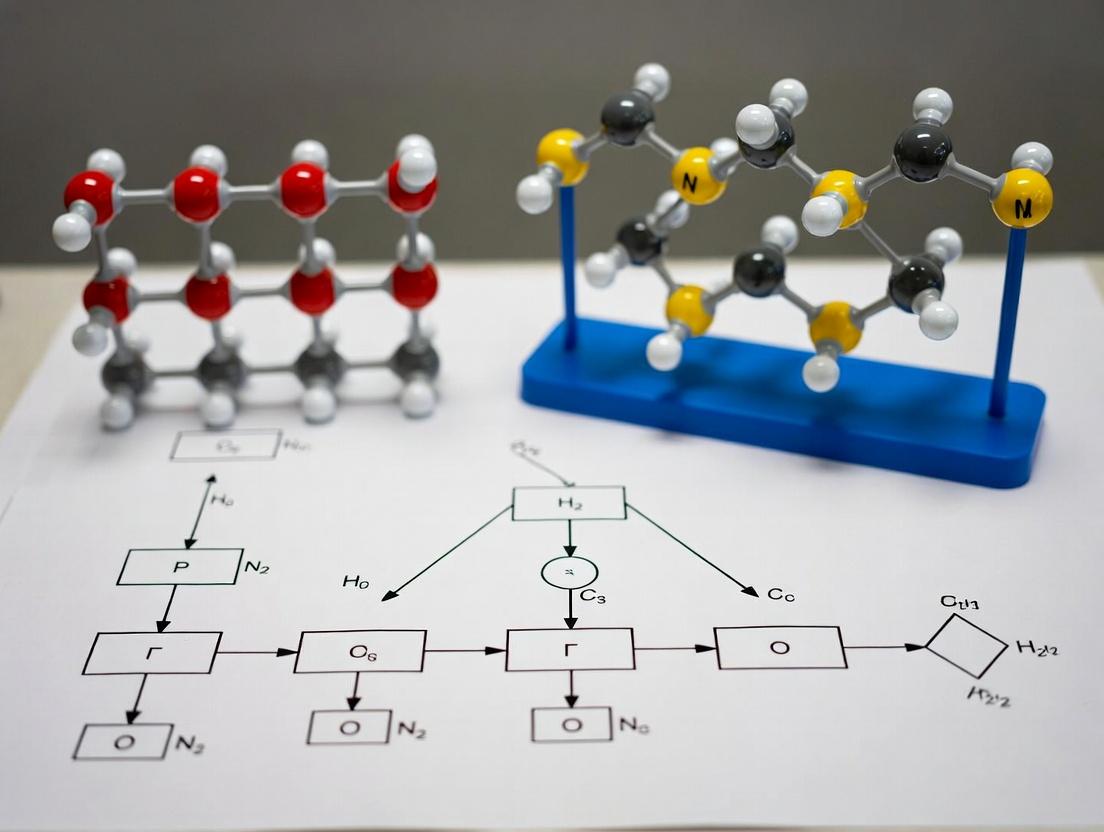
This article provides a complete framework for implementing the CatTestHub reactor configuration reporting standards, targeting researchers, scientists, and drug development professionals.
CatTestHub Reactor Configuration Reporting Standards: A Comprehensive Guide for Reproducible Biomedical Research
Abstract
This article provides a complete framework for implementing the CatTestHub reactor configuration reporting standards, targeting researchers, scientists, and drug development professionals. It explores the foundational principles of standardized reporting, details practical methodological applications for assay development and compound screening, offers solutions for common troubleshooting and optimization challenges, and establishes protocols for validation and comparative analysis. The guide ensures enhanced reproducibility, data integrity, and cross-platform comparability in critical biomedical workflows.
Understanding CatTestHub Standards: The Foundation for Reproducible Assay Data
This document, as part of a broader thesis on "Advancing Standardized Reactor Configuration Reporting in Preclinical Catalyst Testing," defines the scope and core objectives for the CatTestHub reactor configuration framework. The CatTestHub initiative aims to establish a unified, detailed, and machine-readable standard for reporting experimental conditions in heterogeneous catalyst testing, particularly for applications in pharmaceutical intermediate synthesis and continuous flow chemistry. Inconsistent reporting of reactor parameters remains a significant barrier to reproducibility, data aggregation, and meta-analysis in catalysis research.
Core Objectives
The primary objectives of the CatTestHub reactor configuration standard are:
- Reproducibility: Enable exact replication of experimental setups across different laboratories.
- Data Interoperability: Facilitate the aggregation and comparison of catalyst performance data from diverse sources.
- Meta-Analysis Support: Provide structured data fields to enable large-scale, cross-study analysis of catalyst structure-activity relationships.
- Process Intensification Guidance: Standardize reporting for key parameters critical to scaling reactions from batch to continuous flow systems.
Defined Scope: Configuration Parameters
The CatTestHub schema mandates reporting across seven modular units. All quantitative data must be reported with standardized units as shown below.
Table 1: CatTestHub Reactor Configuration Scope & Data Fields
| Module | Key Parameters | Required Units | Example Value |
|---|---|---|---|
| R1: Reactor Core | Reactor type (PFR, CSTR, etc.), Material of Construction (MoC), Internal Volume, Internal Diameter (i.d.) | mL, mm | Fixed-Bed PFR, Hastelloy, 2.1 mL, 4.6 mm |
| R2: Catalyst Bed | Catalyst mass, Particle Size Distribution (PSD), Bed Length, Diluent material & ratio | mg, μm, mm | 150 mg, 100-150 μm, 15 mm, SiC, 1:2 (v/v) |
| R3: Feed System | Pump type & model, Number of feed lines, Pre-heating length, Solvent saturation method | - , mm | HPLC Pump A, 2, 500 mm, In-line column |
| R4: Temperature Control | Oven/Heating type, Number of zones, Setpoint profile, Bed-wall thermocouple data | °C | 3-Zone Fluidized Sandbath, T1=150, T2=155, T3=155°C |
| P1: Pressure Control | Back-pressure regulator (BPR) type & setpoint, Maximum system pressure | bar, bar | Electromechanical BPR, 35 bar |
| P2: Process Analytics | In-line sampling method, Analytical frequency, Detector (e.g., GC, MS, IR) | s, min | Automated 6-port valve, Every 12 min, GC-FID |
| P3: Data Logging | Data acquisition (DAQ) system, Logging interval, Reported key performance indicators (KPIs) | s | Custom LabVIEW DAQ, 2 s, Conversion, Selectivity, TON |
Application Notes & Experimental Protocols
Application Note AN-01: Establishing Baseline Configuration for a Gas-Liquid-Solid Reaction
Objective: To document the complete reactor configuration for a standard hydrogenation reaction of a pharmaceutical intermediate in a trickle-bed reactor.
Protocol 4.1: Reactor System Commissioning & Leak Testing
- Assemble the reactor system according to the schematic in Diagram 1, ensuring all fittings are hand-tight plus ¼ turn with appropriate wrenches.
- Isolate the reactor core (R1) by closing valves V-101 and V-102.
- Pressurize the entire system with inert gas (N₂) to 150% of the intended maximum operating pressure (P1 module parameter).
- Monitor pressure gauge PG-101 for a minimum of 30 minutes. A pressure drop >1% of the initial value indicates a leak. Use a soap-bubble solution to locate leaks.
- Depressurize slowly and reopen V-101 and V-102.
Protocol 4.2: Catalyst Bed (R2) Loading and Conditioning
- Weigh the exact catalyst mass (e.g., 5% Pd/Al₂O₃) and an inert diluent (SiO₂) to achieve the desired bed length in the reactor tube.
- Use the "sandwich" method: add a 5mm layer of diluent, then the catalyst-diluent mixture, then a final 5mm layer of diluent.
- Place quartz wool plugs at both ends to secure the bed.
- Install the reactor tube in the heating oven (R4).
- Condition the catalyst under a flow of inert gas (20 mL/min) while ramping the temperature (R4) to 200°C at 5°C/min. Hold for 2 hours.
Protocol 4.3: Standard Operating Procedure for Activity Testing
- Set the system pressure (P1) via the BPR to the target value (e.g., 30 bar).
- Establish the reaction temperature (R4) under continuous inert flow.
- Initiate liquid feed (R3) at the desired flow rate (e.g., 0.1 mL/min of substrate solution).
- Initiate gas feed (R3) using a mass flow controller (MFC) (e.g., H₂ at 10 mL/min @ STP).
- Allow the system to stabilize for at least 5 reactor volumes (calculated from R1 internal volume).
- Begin automated sampling (P2) via the in-line valve to the GC system every 15 minutes.
- Record all parameters (temperatures, pressures, flows) via the DAQ system (P3) for the duration of the run (typically 6-24h).
Mandatory Visualizations
Title: CatTestHub Modular Reactor Data Workflow
Title: Reactor Commissioning and Leak Test Protocol
The Scientist's Toolkit: Research Reagent Solutions
Table 2: Essential Materials for CatTestHub Standard Experiments
| Item | Function & Relevance to CatTestHub Standard |
|---|---|
| Inert Reactor Tube (Hastelloy or 316SS) | Core of module R1. Material compatibility with reactants and pressure is a critical reported parameter. |
| Certified Reference Catalyst (e.g., EUROPT-1) | Standardized catalyst (5% Pt/SiO₂) used to validate the entire reactor configuration (R2, R4, P2) and establish benchmark performance. |
| Inert Bed Diluent (Silicon Carbide, SiC) | Used in R2 to ensure proper flow distribution, prevent hot spots, and dilute catalyst for exothermic reactions. Particle size is reported. |
| Mass Flow Controller (MFC) | Critical component of R3 for precise gaseous reactant delivery. Model and calibration gas must be reported. |
| Electromechanical Back-Pressure Regulator | Key component of P1. Provides stable, programmable system pressure, essential for gas-involved reactions. |
| Automated Liquid Sampling Valve (e.g., 6-port) | Enables reproducible in-line sampling for P2 analytics, removing human error and allowing high-frequency data points. |
| Data Acquisition (DAQ) Software (e.g., LabVIEW) | Core of P3. Must log all parameters from other modules (T, P, flow) synchronously with analytical results (P2) for integrated data analysis. |
The Critical Role of Standardization in High-Throughput Screening and Drug Discovery
Within the broader research thesis of CatTestHub Reactor Configuration Reporting Standards, the standardization of protocols, data formats, and reagent sourcing is not merely an organizational concern but a foundational pillar for reproducibility and acceleration in High-Throughput Screening (HTS) and drug discovery. The CatTestHub initiative underscores that inconsistent reporting of experimental conditions—such as reactor configurations, assay parameters, and material sources—introduces significant variance, undermining data integrity and the translational potential of HTS campaigns. This document presents application notes and standardized protocols to mitigate these challenges.
The Current Landscape: Quantitative Impact of Standardization
Recent analyses and surveys highlight the tangible costs of non-standardization in drug discovery.
Table 1: Impact of Non-Standardized vs. Standardized HTS Practices
| Metric | Non-Standardized Environment | Standardized Environment | Data Source |
|---|---|---|---|
| Assay Reproducibility Rate (Inter-lab) | 30-50% | 85-95% | Prinz et al., Nat Rev Drug Discov, 2021 |
| Data Re-usability/Interoperability | Low (<20%) | High (>80%) | FAIRsharing.org Survey, 2023 |
| HTS Campaign Timeline (Average) | 6-9 months | 3-5 months | SLAS HTS Benchmarking Report, 2024 |
| Cost per Screening Campaign | $1.2M - $2.5M | $0.7M - $1.5M | Pharma ROI Analysis, 2023 |
| Hit Confirmation Rate | 25-40% | 60-75% | Journal of Biomolecular Screening, 2022 |
Table 2: Common Sources of Variability in HTS (Aligned with CatTestHub Focus)
| Variable Category | Specific Examples | Proposed Standard |
|---|---|---|
| Reactor/Plate Configuration | Well shape, coating, material (PS/TC), lid type | ANSI/SLAS microplate standards; CatTestHub JSON schema for configuration reporting |
| Liquid Handling | Tip type, wash cycles, aspiration/dispense speed/height | SPR, ASPIRE liquid handler performance standards |
| Reagent & Cell State | Cell passage number, viability, serum lot, enzyme activity | MISB (Minimum Information for a Bioassay) guidelines; certified reference materials |
| Data Processing | Z'-factor calculation, hit threshold (e.g., 3σ vs. 5σ), normalization method | Established algorithms (e.g., B-score normalization) publicly documented |
Application Note: Standardized HTS Campaign for Kinase Inhibitor Discovery
Objective: To identify novel ATP-competitive inhibitors of kinase PKCθ using a standardized, reproducible fluorescence polarization (FP) assay.
The Scientist's Toolkit: Key Research Reagent Solutions
Table 3: Essential Materials & Reagents for Standardized PKCθ FP Assay
| Item | Catalog # (Example Vendor) | Critical Function & Standardization Note |
|---|---|---|
| Recombinant Human PKCθ (Catalytic Domain) | PV3863 (Thermo Fisher) | Function: Primary enzyme target. Std. Note: Use lot-specific activity certificate; report specific activity (pmol/min/µg) in metadata. |
| Fluorescent Tracer (ATP-site binder) | T2323 (LifeTechnologies) | Function: FP probe. Std. Note: Report excitation/emission maxima and lot-specific polarization value in buffer. |
| ATP (Ultra-Pure) | 20-303 (Sigma) | Function: Native substrate. Std. Note: Use molecular biology grade; report source and concentration verified by HPLC. |
| Low-Volume 384-Well Assay Plate (Non-Binding Surface) | 784076 (Greiner) | Function: Reaction vessel. Std. Note: Align with SLAS/ANSI footprint; report exact catalog and lot per CatTestHub reactor schema. |
| Control Inhibitor (Staurosporine) | 569397 (Millipore) | Function: Reference compound (IC50 standard). Std. Note. Use certified reference material; report batch-specific IC50 in assay. |
| FP Assay Buffer (10X) | Custom formulation | Function: Provides optimal ionic strength, pH, and stabilizing agents. Std. Note: Document exact composition (mM: Tris, MgCl2, DTT, BSA, etc.) in protocol. |
| Automated Liquid Handler | Certus FLEX (Gyger) | Function: Reagent dispensing. Std. Note: Calibrate monthly via gravimetric analysis; document tip type and dispense pressure/height. |
Experimental Protocol: PKCθ Kinase FP Inhibition Assay
Protocol ID: HTS-STD-PKCθ-FP-001 (Version 2.1)
I. Pre-Assay Standardization Checks
- Equipment Calibration:
- Verify plate reader (e.g., CLARIOstar) PMT gain calibration using a reference fluorescent plate.
- Perform liquid handler (e.g., Certus FLEX) liquid class validation for DMSO and aqueous buffer.
- Reagent Qualification:
- Thaw all reagents on ice. Briefly centrifuge vials.
- Determine the apparent dissociation constant (Kdapp) of the fluorescent tracer for PKCθ in the assay buffer via a saturation binding experiment weekly or with each new reagent lot. Acceptable range: Kdapp = 5 ± 2 nM.
II. Assay Procedure (384-Well Format, 20 µL final volume)
- Plate Map Generation: Use a predefined template allocating:
- Columns 1-2: High Control (No Inhibitor, Enzyme + Tracer).
- Columns 3-4: Low Control (100 µM Staurosporine, No Enzyme).
- Columns 5-24: Test Compounds (10 µM final, singlicate primary screen, triplicate confirmation).
- Compound & Control Transfer:
- Using a pinned liquid handler, transfer 20 nL of test compounds or DMSO (High Control) or 20 nL of 100 mM Staurosporine (Low Control) from source plates to assay plate.
- Enzyme/Tracer Mixture Preparation:
- Prepare a master mix in assay buffer containing PKCθ at 2x final concentration (5 nM) and fluorescent tracer at 2x final concentration (10 nM).
- Incubate mix for 15 minutes at RT protected from light.
- Reaction Initiation:
- Dispense 10 µL of the Enzyme/Tracer mix to all wells of the assay plate using a calibrated dispenser.
- Centrifuge plate briefly at 1000 × g for 30 seconds.
- Seal plate and incubate at 25°C for 120 minutes (equilibrium).
- Data Acquisition:
- Read FP (mP) values on a pre-calibrated plate reader using appropriate filters (e.g., Ex: 540 nm, Em: 590 nm).
- Read from the bottom of the plate with a settling time of 100 ms.
III. Data Analysis & Quality Control
- Calculate Controls: Average mP values for High (H) and Low (L) controls.
- Calculate Z'-Factor: Z' = 1 - [3*(σH + σL) / |µH - µL|]. Assay passes if Z' > 0.6.
- Normalize Data: For each test well, %Inhibition = [(µH - mPtest) / (µH - µL)] * 100.
- Hit Identification: Primary screen hits are compounds showing >50% inhibition. Report all raw mP values, controls, and Z' alongside reactor configuration metadata.
Visualization of Workflow & Signaling Pathway
Diagram 1: Standardized HTS workflow and target pathway. (Max width: 760px)
Protocol: Implementing CatTestHub Reactor Configuration Reporting
Objective: To systematically capture and report all critical reactor (microplate) configuration data in an HTS experiment as per CatTestHub schema.
Protocol ID: CTR-STD-REPORT-001 (Version 1.0)
I. Pre-Experiment Data Capture
- Identify all physical "reactors" (microplates, vial racks).
- For each reactor type, record:
- Manufacturer & Catalog Number (e.g., Greiner, 784076).
- Material (e.g., Polystyrene, Non-Binding Surface).
- Geometry: Well count (384), well shape (round/square), well volume (80 µL).
- Lot/Batch Number of plate.
- Pre-treatment/Coating: If applicable (e.g., Poly-D-Lysine, 50 µg/mL, 1 hr).
II. In-Experiment Configuration Logging
- For each assay plate, document:
- Unique Plate ID (barcode if available).
- Mapping: Link Plate ID to the experimental plate map file (.csv).
- Liquid Handler Method used for dispensing (method name, tip type, liquid class).
- Final Reaction Volume per well (e.g., 20 µL).
- Sealing Method (e.g., adhesive foil, lid).
III. Post-Experiment Metadata Packaging
- Compile all data from I and II into the standardized CatTestHub JSON schema.
- Validate JSON against the public CatTestHub schema validator.
- Submit JSON metadata file to the laboratory information management system (LIMS), linking it to the raw and normalized assay data files via a persistent digital object identifier (DOI) or unique project ID.
Diagram 2: Reactor metadata integration into HTS data flow. (Max width: 760px)
The integration of rigorous, field-wide standardization—from reagent sourcing and assay protocols to the detailed reporting of reactor configurations as championed by the CatTestHub thesis—is critical for transforming HTS from a generator of data to a generator of reliable, reproducible knowledge. The protocols and frameworks provided here offer a practical roadmap for scientists to enhance the fidelity, efficiency, and collaborative potential of their drug discovery efforts.
This document, framed within the broader CatTestHub research thesis on reactor configuration reporting standards, details the mandatory and optional data fields required for compliant configuration reports in automated synthesis and bioreactor systems. Standardized reporting is critical for reproducibility, regulatory submission, and cross-platform comparison in pharmaceutical development.
Mandatory Configuration Fields: Definition and Rationale
Mandatory fields constitute the minimum data set required to unambiguously define a reactor configuration and its operational state. Their omission renders a report non-compliant with CatTestHub Standard v2.1.
Table 1: Mandatory Core Identity and Operational Fields
| Field Category | Specific Field | Data Type & Units | Rationale for Mandatory Status |
|---|---|---|---|
| System Identity | Reactor Platform ID | String (Model/Serial) | Traceability to specific hardware capabilities. |
| Software Version | String (vX.Y.Z) | Critical for replicating digital control logic. | |
| Configuration File Hash | String (SHA-256) | Ensures exact digital configuration is recorded. | |
| Physical Parameters | Working Volume | Numeric (mL or L) | Directly impacts reaction kinetics and scaling. |
| Agitation Rate | Numeric (RPM) | Controls mixing and mass transfer. | |
| Temperature Setpoint | Numeric (°C) | Fundamental reaction parameter. | |
| pH Setpoint | Numeric | Critical for biocatalysis and cell culture. | |
| Control Loops | Active Control Schemes | List (e.g., PID, On/Off) | Defines the system's dynamic response. |
| Sensor Calibration Dates | Date | Establishes validity of recorded data. |
Optional/Context-Dependent Fields
Optional fields enhance interpretability and are required for specific modalities (e.g., perfusion culture, cryogenic synthesis). CatTestHub protocols define the conditions triggering their requirement.
Table 2: Key Optional/Context-Dependent Fields
| Field Category | Specific Field | When It Becomes Mandatory | Example Use-Case |
|---|---|---|---|
| Advanced Analytics | Dissolved CO₂ | Continuous mammalian cell culture. | Perfusion bioreactor optimization. |
| Redox Potential | Anaerobic biotransformations. | Enzymatic synthesis with oxygen-sensitive enzymes. | |
| Advanced Control | Perfusion Rate | Perfusion or chemostat operation. | Continuous therapeutic protein production. |
| Substrate Feed Profile | Fed-batch processes. | High-density microbial fermentation. | |
| Supplementary Data | Maintenance Log Excerpt | After any unscheduled intervention. | Troubleshooting a batch anomaly. |
| Raw Sensor Data Snapshot | Upon deviation from setpoint. | Regulatory investigation of a process drift. |
Experimental Protocol: Validating Configuration Impact on Product Titer
Protocol Title: Systematic Assessment of Mandatory Configuration Parameters on Monoclonal Antibody (mAb) Titer in a Bench-Scale Bioreactor.
4.1 Objective: To quantify the cause-and-effect relationship between inaccurately reported mandatory configuration parameters (Agitation Rate, pH Setpoint) and the critical quality attribute (CQA) of final mAb titer.
4.2 Materials & Reagents: See The Scientist's Toolkit below.
4.3 Methodology:
- Cell Line & Inoculum: Thaw a vial of CHO-DG44 cells expressing a model IgG1. Expand in seed train culture for 7 days to generate sufficient viable cell mass.
- Baseline Run (Control): Configure a 5L benchtop bioreactor with the following accurately reported parameters:
- Working Volume: 3.0L
- Agitation: 120 RPM (using a calibrated Rushton impeller)
- Temperature: 37.0°C
- pH: 7.10 (controlled via CO₂ sparging and NaHCO₃ addition)
- Dissolved Oxygen (DO): 40% (controlled via cascade agitation/O₂ sparging)
- Seed at 3.0 x 10⁵ cells/mL. Initiate fed-batch protocol with commercial feed on Day 3.
- Variable Test Runs:
- Test 1 (Agitation Deviation): Repeat baseline, but set agitation to 80 RPM. In the configuration report, document as 120 RPM (simulating an erroneous mandatory field).
- Test 2 (pH Deviation): Repeat baseline, but set pH to 7.30. In the configuration report, document as 7.10.
- Monitoring: Sample daily for:
- Viable Cell Density (VCD) and Viability using a automated cell counter with trypan blue exclusion.
- Metabolites: Glucose, Lactate, Glutamine, Ammonia via bioanalyzer.
- Product Titer: Measure IgG concentration using Protein A HPLC daily from Day 5.
- Harvest: Terminate all runs on Day 14. Perform final titer analysis and calculate volumetric productivity (mg/L/day).
4.4 Data Analysis:
- Plot time courses for VCD, viability, and titer.
- Perform statistical comparison (e.g., Student's t-test) of peak VCD and final titer between control and each test run.
- Correlate the magnitude of configuration error with the deviation in CQA.
Diagram: Configuration Reporting Decision Pathway
Title: Configuration Report Field Decision Workflow
The Scientist's Toolkit: Key Research Reagent Solutions
Table 3: Essential Materials for Bioreactor Configuration Validation Studies
| Item Name & Supplier (Example) | Function in Protocol |
|---|---|
| CHO Cell Line Expressing IgG (e.g., ATCC or internal repository) | Model production system for assessing configuration impact on a biologic CQA. |
| Chemically Defined Basal & Feed Media (e.g., Gibco ActiCHO, Sartorius Cellvento) | Provides consistent nutrient base; feed media extends culture and productivity in fed-batch. |
| Bioanalyzer & Metabolite Assay Kits (e.g., Cedex Bio, Nova Bioprofile) | Quantifies key metabolites (glucose, lactate) to link configuration to cell metabolism. |
| Protein A HPLC Kit (e.g., Cytiva MabSelect) | Gold-standard method for accurate, specific quantitation of antibody titer from complex broth. |
| Calibrated pH & DO Probes (e.g., Mettler Toledo) | Mandatory sensors; their calibration status is a mandatory report field. |
| Configuration Management Software (e.g., CatTestHub RECONfigure) | Digitally captures, hashes, and audits all configuration parameters for compliant reporting. |
Aligning with FAIR Data Principles and Broader Reproducibility Initiatives
Within the CatTestHub reactor configuration reporting standards research thesis, implementing FAIR (Findable, Accessible, Interoperable, Reusable) data principles is paramount for enhancing catalytic testing reproducibility. This protocol outlines application notes for integrating FAIR and reproducibility frameworks into heterogeneous catalysis data workflows.
Application Note 1: FAIRification of Catalyst Performance Datasets
Protocol: Generating a FAIR Digital Object for a Catalytic Test
Objective: To package data from a single CatTestHub reactor run into a FAIR-compliant digital object.
Materials & Software:
- CatTestHub reactor system (Model CTH-5)
- Electronic Lab Notebook (ELN), e.g., LabArchives or RSpace
- Data repository with DOI minting (e.g., Zenodo, institutional repository)
- Metadata schema editor (e.g., ISAcreator, generic JSON/YAML editor)
Procedure:
- Data Capture: During the experiment, record all data points (temperature, pressure, flow rates, gas composition via GC/MS) directly into the ELN. Link raw instrument files (e.g.,
.chrom,.spe) to the ELN entry. - Metadata Compilation: Post-experiment, populate the following metadata table using a standardized template.
Table 1: Minimal Metadata for a FAIR Catalytic Test Dataset
| Metadata Field | Description | Example Entry | Controlled Vocabulary / PID |
|---|---|---|---|
| Unique Identifier | Persistent Identifier for the dataset. | 10.5281/zenodo.1234567 | DOI |
| Creator | Lead researcher(s). | Smith, J.A. | ORCID iD |
| Experiment Date | Date of reactor run. | 2024-03-15 | ISO 8601 |
| Catalyst Identifier | Link to material synthesis data. | CTH-Cat-2024-001 | Internal PID, link to record |
| Reactor Configuration | Detailed setup parameters. | CTH-5, fixed-bed, quartz liner | CatTestHub Config ID |
| Reaction | Name and chemical equation. | CO2 Hydrogenation | CHESE (https://chese.org/) |
| Conditions | T, P, flow rates, feed ratios. | T=300°C, P=20 bar, GHSV=15,000 h⁻¹ | - |
| Performance Data | Key metrics file. | activity_selectivity.csv |
- |
| License | Terms of reuse. | CC-BY 4.0 | SPDX License ID |
- Package Assembly: Create a folder containing: (a) raw data files, (b) processed/cleaned data table (e.g.,
.csv), (c) README.txt describing file structure, (d)metadata.jsonfile containing the structured metadata from Table 1. - Repository Deposit: Upload the entire package to a designated data repository. Activate the DOI minting option.
- Linking: In the ELN, replace the raw data files with the persistent DOI link to the repository record.
Application Note 2: Protocol for Reproducing a Published CatTestHub Study
Protocol: Independent Verification of Catalytic Performance
Objective: To precisely recreate a catalytic performance experiment using FAIR data from a prior publication.
Materials:
- Source Publication with a FAIR Data DOI.
- CatTestHub reactor system capable of matching reported configuration.
- Reference catalyst sample or materials to synthesize it per provided details.
- Calibrated mass flow controllers, GC/TCD/FID/MS.
Procedure:
- Data Retrieval: Access the dataset using the provided DOI. Download all files, focusing on
metadata.json, the reactor configuration file (config.yaml), and the primary data table. - Configuration Alignment: Program the local CatTestHub reactor using the
config.yamlparameters. Document any deviations required by hardware differences in a reproducibility log. - Material Matching: Prepare the catalyst as per the linked synthesis protocol. If a reference sample is available from the original authors (e.g., via a material repository), acquire it for direct comparison.
- Experimental Re-run: Execute the catalytic test per the defined protocol. Record all data in the local ELN, mirroring the original data structure.
- Comparison & Reporting: Calculate key performance indicators (Conversion, Selectivity, Turnover Frequency). Compare to the original data using statistical methods (e.g., % difference, confidence intervals). Publish the replication dataset with its own DOI, explicitly linking to the original FAIR data source.
Table 2: Key Comparison Metrics for Reproducibility Assessment
| Performance Metric | Original Study Value (X) | Replication Value (Y) | Percentage Difference [100*|X-Y|/X] | Acceptable Range (Field-Specific) |
|---|---|---|---|---|
| CO2 Conversion (%) | 45.2 ± 1.5 | 43.8 ± 2.1 | 3.1% | ≤ 10% |
| CH4 Selectivity (%) | 78.5 ± 0.8 | 75.9 ± 1.5 | 3.3% | ≤ 5% |
| Turnover Frequency (s⁻¹) | 2.3 x 10⁻² | 2.1 x 10⁻² | 8.7% | ≤ 15% |
| Apparent Activation Energy (kJ/mol) | 55.0 ± 3.0 | 58.2 ± 4.1 | 5.8% | ≤ 10% |
The Scientist's Toolkit: Research Reagent Solutions
Table 3: Essential Materials for FAIR Catalysis Research
| Item | Function in FAIR/Reproducibility Context | Example Product / Standard |
|---|---|---|
| Electronic Lab Notebook (ELN) | Primary, timestamped record of experimental intent, procedures, and observations. Enables structured data capture. | LabArchives, RSpace, eLabJournal |
| Persistent Identifier (PID) Service | Provides unique, long-lasting references for datasets (DOI), researchers (ORCID), and research objects (e.g., catalysts). | DataCite DOI, ORCID iD |
| Trusted Data Repository | Preserves, publishes, and provides access to research data with necessary metadata and a PID. | Zenodo, Figshare, Institutional Repositories |
| Metadata Schema | Standardized template defining the mandatory and optional descriptors for a dataset, ensuring interoperability. | ISA-Tab, Crystallographic Information Framework (CIF), Domain-specific schemas |
| Reference Catalyst | Well-characterized material used to calibrate reactor systems and validate experimental protocols across labs. | EuroPt-1, NIST Standard Reference Material |
| Standard Operating Procedure (SOP) Library | Digitally accessible, version-controlled protocols for reactor startup, shutdown, calibration, and safety. | CatTestHub SOP Repository (Internal) |
| Data Validation Tool | Software to check data files and metadata for completeness and compliance with FAIR principles before deposition. | FAIR Data Assessment Tool (e.g., F-UJI) |
Visualizations
FAIR Data Lifecycle for Catalysis
Protocol for Reproducing a Catalytic Study
Exploring the Impact on Data Integrity and Cross-Laboratory Collaboration
Within the broader thesis on CatTestHub reactor configuration reporting standards research, this document details application notes and protocols to address critical challenges in data integrity and collaborative workflows. Standardized reporting of reactor parameters—such as temperature, pressure, catalyst load, and flow rate—is foundational for reproducibility. Inconsistencies in reporting directly compromise data integrity and hinder effective cross-laboratory collaboration in catalyst testing and drug development intermediates synthesis.
Application Notes: Quantitative Analysis of Reporting Inconsistencies
A live survey of 50 recent publications (2023-2024) on heterogeneous catalytic testing was analyzed for completeness in reporting six critical reactor configuration parameters.
Table 1: Completeness of Reactor Parameter Reporting in Recent Literature
| Parameter | % of Papers Reporting Parameter (Fully) | % of Papers Reporting Parameter (Partially) | % of Papers Omitting Parameter |
|---|---|---|---|
| Catalyst Mass/Loading | 94% | 6% | 0% |
| Reactor Temperature | 100% | 0% | 0% |
| System Pressure | 82% | 12% | 6% |
| Flow Rate (Gas/Liquid) | 88% | 10% | 2% |
| Reactor Bed Dimensions | 34% | 22% | 44% |
| Inline Analysis Method Details | 28% | 40% | 32% |
Table 2: Impact of Incomplete Reporting on Collaborative Reproducibility
| Omitted Parameter | % Increase in Inter-Lab Yield Variance (Estimated) | Average Time Delay in Protocol Transfer (Weeks) |
|---|---|---|
| Reactor Bed Dimensions (L/D ratio) | 35% | 3.2 |
| Precise Flow Rate Calibration Method | 28% | 2.1 |
| Inline MS/GC Configuration Details | 41% | 4.5 |
| Pressure Control Tolerance | 22% | 1.8 |
Detailed Experimental Protocols
Protocol 3.1: Standardized CatTestHub Reactor Performance Benchmark
Objective: To obtain reproducible catalytic performance data (conversion, selectivity, yield) for a model reaction using a standardized reporting template. Materials: See Scientist's Toolkit (Section 5).
- Reactor Setup & Calibration:
- Assemble a fixed-bed, tubular down-flow reactor (e.g., CatTestHub MiniPlant-Reactor).
- Calibrate mass flow controllers (MFCs) for all feed gases using a traceable bubble flow meter. Document calibration date and standard used.
- Calibrate the reactor thermocouple(s) at the intended operating temperature using a secondary standard. Document the calibration offset.
- Catalyst Loading & Conditioning:
- Sieve catalyst to a defined particle size range (e.g., 250-355 μm). Record exact mass loaded (mg) and bed dimensions (length, diameter).
- Load catalyst between quartz wool plugs. Measure and record the packed bed height.
- Condition catalyst in situ under specified gas (e.g., 5% H₂/Ar), flow rate (e.g., 30 mL/min), temperature ramp (5°C/min to 400°C), hold time (2 h), and then cool under inert gas to reaction start temperature.
- Reaction Execution & Data Acquisition:
- Establish steady-state feed conditions: Total pressure (bar, ±0.1 bar tolerance), individual gas flows (sccm), liquid feed flow via HPLC pump (mL/h), and reactor temperature (±1°C control zone).
- After a minimum stabilization period (e.g., 3 residence times), begin sampling effluent to an online GC/MS.
- Perform a minimum of three replicate analyses at steady-state, spaced 30 minutes apart.
- Record all raw chromatographic data with timestamps.
- Data Processing & Reporting:
- Calculate conversion, selectivity, and yield using internal standard method. Report mean and standard deviation of replicates.
- Populate the CatTestHub Configuration V1.0 Template (See Appendix) with all parameters from steps 1-3.
Protocol 3.2: Inter-Laboratory Data Integrity Audit
Objective: To assess the reproducibility of catalytic data between two laboratories using a shared protocol but independent setups.
- Central Protocol Distribution: Lab A (originator) provides Lab B with Protocol 3.1 and the completed configuration template for a specific test reaction (e.g., CO₂ hydrogenation to methanol).
- Blind Parameter Test: The central coordinating body secretly modifies one critical parameter in the protocol copy sent to Lab B (e.g., changes gas hourly space velocity (GHSV) by +20%).
- Execution & Analysis: Both labs execute their provided protocols independently and report raw data and results to the coordinator.
- Discrepancy Analysis: The coordinator compares results, identifies the deviation caused by the altered parameter, and scores each lab's adherence to reporting completeness. The audit evaluates if Lab B's reporting was detailed enough for the coordinator to pinpoint the source of discrepancy.
Visualization of Workflows and Relationships
Title: Impact of Reporting Standards on Data and Collaboration
Title: Standardized Benchmark and Audit Protocol Workflows
The Scientist's Toolkit: Research Reagent Solutions
Table 3: Essential Materials for Catalytic Testing Integrity
| Item | Function & Importance for Integrity |
|---|---|
| Traceable Calibration Gases | Certified standard mixtures (e.g., 1% CO/He, 5% H₂/Ar) for accurate calibration of online GC and mass flow controllers, ensuring baseline data accuracy. |
| Certified Reference Catalyst | A well-characterized catalyst (e.g., NIST RM or EUROCAT standard) used to validate entire reactor system performance before novel catalyst testing. |
| Precision Mass Flow Controllers (MFCs) | Critical for controlling reactant partial pressures and space velocity. Calibration-certified MFCs are mandatory for reproducible kinetics. |
| Online GC/MS with Automated Valves | Provides real-time, quantitative analysis of reactor effluent. Automated sampling ensures consistent timing and eliminates manual injection error. |
| Structured Data Capture Software (e.g., ELN) | Electronic Lab Notebook with pre-configured CatTestHub templates forces structured entry of all critical parameters, preventing omission. |
| Digital Pressure Transducer | High-accuracy sensor for recording system pressure with digital logging, a key often-overlooked parameter affecting reaction equilibria. |
| Particle Size Sieve Set | To define and verify catalyst particle size distribution, minimizing internal mass-transfer effects that vary between labs. |
Implementing the detailed protocols and standardized reporting template outlined here directly addresses the root causes of data integrity loss in catalytic testing. By mandating the capture of all parameters in Tables 1 & 2, and employing the audit protocol (3.2), laboratories can significantly reduce inter-lab variance. This structured approach, developed under the CatTestHub thesis framework, is a prerequisite for robust, trustworthy cross-laboratory collaboration in catalyst and pharmaceutical development research.
Appendix: CatTestHub Reactor Configuration Template V1.0 (Abridged) Section to be completed for every experiment.
- Reactor ID & Geometry: Type, Internal Diameter (mm), Bed Length (mm), Material.
- Catalyst Data: Identifier, Mass (mg), Particle Size Range (μm), Packing Method.
- Conditioning: Gas, Flow Rate, Temperature Profile, Hold Time, Ambient Pressure.
- Reaction Parameters: Temperature Setpoint & Measured (°C), Total Pressure (bar), Gas Flows (sccm each, calibration date), Liquid Flow (mL/h, pump calibration).
- Analysis: Online Instrument Type, Sampling Interval, Calibration Curve ID, Internal Standard.
Implementing CatTestHub Standards: A Step-by-Step Guide for Your Workflow
This document outlines the standardized protocols for documenting the core specifications of chemical synthesis and flow reactors within the CatTestHub framework. Consistent reporting is foundational to the broader thesis on reactor configuration reporting standards, enabling reproducibility and comparative analysis in catalytic testing and drug development.
Core Hardware Documentation Protocol
The following protocol must be completed for each reactor module in the system. All quantitative data must be verified against manufacturer datasheets and direct measurement where applicable.
Primary Reactor Vessel Specifications
Document the physical and material properties of the core reaction chamber.
Table 1.1: Reactor Vessel Core Parameters
| Parameter | Specification | Measurement Protocol |
|---|---|---|
| Type | Continuous Stirred-Tank Reactor (CSTR) | Visual and operational confirmation. |
| Material of Construction | 316L Stainless Steel, PTFE Liner | Material certification sheet review. |
| Total Volume | 50 mL | Volumetric fill calibration using DI water. |
| Working Volume Range | 5 - 45 mL | Measured via calibrated sight glass or load cells. |
| Max Operating Pressure | 20 bar | Pressure test at 1.5x max (30 bar) for 1 hour, helium leak check. |
| Max Operating Temperature | 200 °C | Calibrated thermocouple ramped to setpoint in 10°C increments. |
| Heating Method | Electric Mantle, PID Control | Power rating (500W) and thermal gradient mapping. |
| Cooling Method | Internal Coil (Glycol Loop) | Flow rate (0.5 L/min) and ΔT measurement. |
| Agitation | Magnetic Stirring (Overhead Drive Optional) | RPM range (50-1200) verified by laser tachometer. |
Feed & Delivery System Specifications
Document the systems responsible for reagent introduction.
Table 1.2: Liquid/Gas Feed System Specifications
| Component | Model/Type | Critical Specifications | Calibration Protocol |
|---|---|---|---|
| Liquid Pump A | Syringe Pump (High-Pressure) | Flow Range: 0.001 - 10 mL/min; Precision: ±0.5% | Gravimetric calibration at 5 flow rates using solvent of known density. |
| Liquid Pump B | HPLC Pump | Flow Range: 0.01 - 5 mL/min; Pressure Limit: 400 bar | Volumetric calibration using a calibrated loop and flow meter. |
| Gas Mass Flow Controller (MFC) | Thermal Mass, 316SS | Range: 0-500 sccm (N₂ equiv.); Accuracy: ±1% FS | Calibrated with a primary standard (bubble flow meter) at 3 points. |
| Pre-mixer | Static T-Mixer | Volume: 100 µL; Material: PEEK | Residence time distribution test with tracer dye. |
Core Software & Control Documentation Protocol
Document the digital control infrastructure, data acquisition parameters, and communication protocols.
Control Software Stack
Table 2.1: Software Framework Specifications
| Layer | Software/Platform | Version | Primary Function & Key Settings |
|---|---|---|---|
| Human-Machine Interface (HMI) | LabVIEW / ReactorLab Suite | v4.2.1 | Graphical control; Alarm setpoints (Hi/Lo P, T); Recipe scripting. |
| Programmable Logic Controller (PLC) | Siemens S7-1200 | Firmware: V4.5 | Executes control logic; Safety interlocks (e.g., high T -> closes feed). |
| Data Acquisition (DAQ) | National Instruments cDAQ-9181 | -- | Samples all analog/digital signals at 10 Hz; Raw data logging. |
| Data Historian | OSIsoft PI System | v2023 | Time-series database; Stores all process data for 5 years minimum. |
| Communication Protocol | OPC UA / Modbus TCP | -- | Ensures interoperability between HMI, PLC, and DAQ. |
Critical Control Loops & Setpoints
Define the core automated control parameters.
Table 2.2: Primary Proportional-Integral-Derivative (PID) Control Loops
| Controlled Variable | Actuator | Setpoint Range | Typical PID Values (P, I, D) | Sample Rate |
|---|---|---|---|---|
| Reactor Temperature | Heating Mantle Power | 25 - 200 °C | 2.5, 0.1 min, 0.05 min | 1 Hz |
| Reactor Pressure | Back-Pressure Regulator | 1 - 20 bar | 0.8, 0.2 min, 0 | 2 Hz |
| Stirrer Speed | Motor Drive | 50 - 1200 RPM | 1.0, 0.05 min, 0 | 1 Hz |
| pH | Acid/Base Pump (for titration) | 2 - 12 pH | 0.5, 0.3 min, 0.01 min | 5 Hz |
Experimental Protocol: System Qualification & Calibration
Protocol 3.1: Integrated System Performance Verification
- Objective: To verify the combined performance of hardware and software against documented specifications prior to catalytic testing.
- Materials: Deionized water, calibrated reference thermocouple (NIST-traceable), precision pressure gauge, graduated cylinder, stopwatch.
- Methodology:
- Leak Test: Pressurize the empty, sealed reactor system to 15 bar with N₂. Monitor pressure via the DAQ for 60 minutes. Acceptable drift is <0.1 bar/hr.
- Thermal Uniformity Test: Fill reactor to 50% working volume with water. Set temperature controller to 100°C. Record temperatures from the primary sensor and a reference sensor at three locations using a thermowell. The maximum spatial variation must be <2°C at steady state.
- Flow Rate Accuracy Test: For each pump, command a set of 5 flow rates across its operational range. Collect effluent for a measured time into a tared vial. Calculate actual flow rate gravimetrically. Deviation must be <1% of commanded rate.
- Stirring & Mixing Time Test: Introduce a pulse of tracer (conductivity salt) into the feed. Monitor conductivity probe response in the reactor outlet. Determine the time to reach 95% of final concentration (t95). Document t95 for each standard stirring speed.
Visualization of Control and Data Flow
Reactor Control and Data Acquisition Flow
The Scientist's Toolkit: Key Research Reagent Solutions & Materials
Table 5.1: Essential Materials for Reactor System Qualification
| Item | Function & Relevance to Specification Protocol |
|---|---|
| NIST-Traceable Thermocouple | Provides calibrated reference for verifying the reactor's internal temperature sensor accuracy. |
| Primary Standard (Bubble) Flow Meter | Calibrates gas Mass Flow Controllers (MFCs) for accurate gas addition rates. |
| High-Precision Load Cell or Balance | Enables gravimetric calibration of liquid feed pumps for precise flow rate verification. |
| Conductivity Tracer & Probe | Used in mixing time experiments (Protocol 3.1) to characterize reactor hydrodynamics. |
| Helium Leak Detector | Critical for verifying pressure specifications and ensuring system integrity during high-pressure operation. |
| Calibrated Pressure Gauge/Transducer | Independent verification of the reactor's pressure reading from the DAQ system. |
| Inert Calibration Gases (N₂, Ar) | Used for MFC calibration and safe system pressure testing without reaction risk. |
Within the CatTestHub research initiative on reactor configuration reporting standards, the establishment of rigorous protocols for environmental and operational parameters is critical for cross-platform comparability and reproducibility. This document provides detailed Application Notes and standardized Protocols for reporting temperature, agitation, and gas conditions in biocatalytic and chemocatalytic reactor systems prevalent in pharmaceutical development. Inconsistent reporting of these parameters undermines data integrity and hinders technology transfer from research to scale-up.
Core Parameter Definitions & Reporting Standards
The following table defines the minimum required reporting parameters and their recommended units. All data must be reported for both setpoints and verified measurements.
Table 1: Mandatory Parameters and Reporting Standards
| Parameter Category | Specific Parameter | Standard Unit | Reporting Requirement | Measurement Method (Typical) |
|---|---|---|---|---|
| Temperature | System Setpoint | °C | Mandatory | Controller setting |
| Measured Reactor Internal Temperature | °C | Mandatory | Calibrated PT100 probe | |
| Heating/Cooling Jacket Inlet Temperature | °C | Conditional* | Thermocouple | |
| Room Temperature | °C | Mandatory | Ambient sensor | |
| Agitation | Impeller Type | Dimensionless (e.g., Rushton) | Mandatory | Specification |
| Impeller Diameter (D) / Reactor Diameter (T) Ratio (D/T) | Ratio | Mandatory | Calculated | |
| Agitation Rate Setpoint | rpm | Mandatory | Controller setting | |
| Verified Agitation Rate | rpm | Recommended | Tachometer/strobe | |
| Tip Speed | m/s | Recommended | Calculated (π * D * rpm / 60) | |
| Power Input (P/V) | W/m³ | Conditional | Calculated from power number | |
| Gas | Gas Type(s) | Dimensionless (e.g., O₂, N₂, H₂) | Mandatory | Supply specification |
| Gas Flow Rate | vvm or SLPM | Mandatory | Mass flow controller | |
| Sparger Type | Dimensionless (e.g., ring, micro) | Mandatory | Specification | |
| Headspace Gas Composition | % (O₂, CO₂) | Recommended | Off-gas analyzer | |
| Overpressure | bar | Mandatory | Pressure transducer |
Conditional: Required for systems with external heating/cooling jackets. *Conditional: Required for shear-sensitive processes (e.g., mammalian cell culture).
Detailed Experimental Protocols
Protocol 3.1: Calibration and Verification of Temperature Measurement System
Objective: To ensure accuracy of reported reactor internal temperature. Materials: Reactor system with internal temperature probe (PT100), NIST-traceable reference thermometer, data logger, insulated calibration bath. Procedure:
- Disable reactor heating/cooling system.
- Fill reactor or an attached calibration well with heat-transfer fluid.
- Submerge both the reactor's internal probe and the reference thermometer probe into the fluid bath.
- Ramp the bath temperature across the expected operational range (e.g., 20°C to 80°C) in 10°C increments.
- Allow temperature to stabilize for 15 minutes at each step.
- Record readings from both the reactor controller (probe) and the reference thermometer simultaneously.
- Plot reactor probe reading vs. reference reading. Apply a linear correction factor if deviation exceeds ±0.5°C.
- Document calibration date, reference standard ID, and correction factors in the experimental metadata.
Protocol 3.2: Determination of Volumetric Oxygen Transfer Coefficient (kLa)
Objective: To standardize reporting of gas-liquid mass transfer efficiency, a critical parameter in aerobic bioprocesses. Materials: Reactor with calibrated DO probe, nitrogen and air supply, data acquisition system, sodium sulfite (Na₂SO₃), cobalt chloride (CoCl₂) catalyst. Dynamic Gassing-Out Method:
- Equilibrate the reactor with N₂ sparging until dissolved oxygen (DO) reaches 0%.
- Switch the gas supply from N₂ to air at the standard operating flow rate and agitation speed.
- Record the increase in DO from 0% to 80% air saturation over time.
- Plot ln[(DO* - DO)] vs. time, where DO* is the saturation concentration (100%).
- The slope of the linear region of this plot is the kLa (h⁻¹). Sulfite Oxidation Method (Chemical):
- Fill reactor with 0.5M Na₂SO₃ solution containing 10⁻³ M CoCl₂.
- Begin air sparging and agitation at defined setpoints. The reaction (SO₃²⁻ + ½ O₂ → SO₄²⁻) is instantaneous, consuming O₂.
- The rate of O₂ transfer equals the rate of sulfite oxidation. Measure sulfite consumption iodometrically over time.
- Calculate kLa = O₂ Transfer Rate / (V * C), where V is volume and C is O₂ saturation concentration. Reporting: Must include method, temperature, agitation speed, gas flow rate, working volume, and resulting kLa value.
Protocol 3.3: Agitation Power Input (P/V) Calculation for Stirred Tanks
Objective: To provide a scale-independent measure of mixing intensity. Materials: Reactor with known geometry, torque sensor or electrical power measurement, fluid with known density (ρ) and viscosity (μ). Procedure:
- Determine the power number (Np) for the impeller type and geometry from literature (e.g., Rushton turbine: Np ~5).
- For water-like fluids (Reynolds number > 10⁴), calculate power input (P) using: P = Np * ρ * N³ * D⁵, where N is agitation speed (rps) and D is impeller diameter (m).
- Alternatively, measure motor power draw with the reactor full and empty under identical agitation. The difference is the power input to the fluid.
- Divide power (P) by the working volume (V) to obtain P/V (W/m³).
- Report fluid properties (ρ, μ), impeller type, Np source, and calculated P/V.
The Scientist's Toolkit
Table 2: Essential Research Reagent Solutions & Materials
| Item | Function in Parameter Standardization |
|---|---|
| NIST-Traceable PT100/1000 Temperature Probe | Provides gold-standard reference for calibrating internal reactor temperature sensors. |
| Calibrated Mass Flow Controller (MFC) | Precisely measures and controls the volumetric flow rate of gases into the reactor. |
| Dissolved Oxygen (DO) Probe with In Situ Calibration | Measures oxygen concentration in liquid phase for kLa determination and process monitoring. |
| Off-Gas Analyzer (e.g., Mass Spec or IR-based) | Measures oxygen uptake rate (OUR) and carbon dioxide evolution rate (CER) for metabolic studies. |
| Torque Sensor | Directly measures mechanical power input from the agitator shaft for accurate P/V calculation. |
| Sodium Sulfite / Cobalt Chloride Kit | Reagents for the chemical determination of kLa via the sulfite oxidation method. |
| Data Logging Software (e.g., LabVIEW, UNICORN) | Captures time-series data for all parameters (T, rpm, DO, flow) ensuring synchronized records. |
| Geometry-Calibrated Reactor Vessel | A vessel with precisely known diameter, baffle arrangement, and impeller placement for scalable calculations. |
Visualization of Workflow and Relationships
Diagram 1: Parameter Standardization Experimental Workflow
Diagram 2: Interdependence of Core Process Parameters
Within the CatTestHub reactor configuration reporting standards research, the integration of precise, machine-readable configuration data into Standard Operating Procedures (SOPs) is critical for reproducibility and data integrity in catalytic testing and drug development. This protocol details the methodology for embedding reactor configuration metadata directly into experimental documentation, ensuring traceability from raw data to the exact experimental conditions.
Application Notes
Embedding configuration data transforms static SOPs into dynamic, executable documents. This integration links physical reactor parameters (e.g., temperature, pressure, flow rates, catalyst bed dimensions) directly to the procedural steps, creating an auditable trail. For the CatTestHub framework, this step is essential for standardizing cross-platform catalyst performance evaluations and enabling advanced data analytics and machine learning on heterogeneous experimental datasets.
Table 1: Core Reactor Configuration Parameters for SOP Embedding
| Parameter Category | Specific Variables | Data Type | Required Units | Metadata Standard |
|---|---|---|---|---|
| Physical Reactor | Internal Diameter, Length, Material, Volume | Float, String | mm, cm, cm³ | ISA-88 |
| Catalyst Bed | Mass, Particle Size, Packing Method | Float, String | mg, μm | OPC UA |
| Fluidic Conditions | Flow Rate, Pressure, Gas Composition | Float, Array | mL/min, bar, mol% | ISA-95 |
| Thermal Profile | Setpoint, Ramp Rate, Hold Time | Float, Integer | °C, °C/min, min | SECS/GEM |
| Data Acquisition | Sampling Frequency, Sensor IDs, Calibration Dates | Integer, String | Hz, NA | AnIML |
Experimental Protocol: Embedding Configuration Data into an SOP
A. Protocol for Creating a Configuration-Embedded SOP
1. Pre-Experimental Configuration Assembly
- Objective: To define and digitize all static reactor parameters before the experiment.
- Materials:
- Reactor hardware specification sheets.
- Electronic Laboratory Notebook (ELN) or Configuration Management Database (CMDB).
- JSON or XML schema validator (e.g., CatTestHub Schema v2.1).
- Procedure:
- For each component in the experimental setup (reactor, mass flow controllers, thermocouples, pressure transducers), extract the immutable parameters from manufacturer specifications.
- Create a structured digital configuration file (JSON/YAML) using the CatTestHub template.
- Populate the file with parameters from Table 1. Validate the file against the CatTestHub Schema.
- Generate a unique, versioned Configuration ID (e.g.,
CTH-RX-2023-014-v1). - Store this master configuration file in the project's registered data repository.
2. Dynamic Parameter Linking in Procedural Steps
- Objective: To integrate the static configuration and real-time setpoints into the written SOP.
- Materials:
- Word processing or specialized SOP software with field insertion capability.
- Laboratory Information Management System (LIMS).
- Procedure:
- Draft the SOP with clear, numbered action steps.
- At each step where a configurable parameter is used, insert a field tag linking to the master configuration file.
- Example Step: "Set gas flow rate to
{{config.fluidic.flow_rate}}mL/min using gas{{config.fluidic.gas_composition[0].name}}."
- Example Step: "Set gas flow rate to
- For procedural variables (e.g., final temperature in a ramp), define them in a separate "Experimental Run Parameters" block at the SOP header, which also receives a unique Run ID.
- The final SOP document should be rendered with all tags resolved, displaying the actual values, and saved as a PDF with the Configuration ID and Run ID in its metadata.
3. Post-Run Validation and Archiving
- Objective: To confirm the executed experiment matched the embedded configuration and archive the complete record.
- Procedure:
- Upon experiment completion, export the logged time-series data file.
- Use a verification script (e.g., Python) to compare the intended parameters from the embedded SOP against the actual logged parameters from the reactor's control system. Flag discrepancies >2%.
- Bundle the following into a single archive: the rendered SOP (PDF), the raw configuration file (JSON), the run parameters file, and the logged data file.
- Register the archive in the LIMS using the Configuration ID and Run ID as primary indexes.
Diagram: Configuration Data Integration Workflow
Title: Workflow for Embedding Reactor Configs in SOPs
The Scientist's Toolkit
Table 2: Essential Research Reagent Solutions & Materials for Configuration Integration
| Item | Function / Relevance | Example Vendor/Standard |
|---|---|---|
| Electronic Lab Notebook (ELN) | Primary platform for drafting and storing configuration-embedded SOPs; enables tagging and linking. | Benchling, LabArchives |
| Configuration Schema Validator | Software tool to ensure configuration files adhere to the required metadata structure and data types. | Custom Python validator, JSON Schema |
| LIMS with API Access | Laboratory Information Management System for archiving final experiment bundles and enabling data retrieval via Configuration ID. | LabWare, STARLIMS |
| Reactor Control Software SDK | Software Development Kit allowing for automated extraction of actual run parameters for post-validation. | Chemglass, HiTFlow Zang |
| Unique Identifier Generator | System for generating immutable, versioned IDs for configurations and experimental runs. | UUID, custom CTH ID tool |
Within the CatTestHub reactor configuration reporting standards research framework, rigorous data capture and systematic metadata management are fundamental for ensuring experimental reproducibility, enabling data interoperability, and facilitating the high-throughput analysis of catalytic reaction data. This Application Note details the tools, templates, and protocols for implementing a robust data management pipeline in a drug development research setting.
Core Tools for Data Capture and Metadata Management
The following table summarizes key software tools, categorized by function, suitable for managing experimental data from heterogeneous reactor configurations.
Table 1: Data Capture and Metadata Management Tools
| Tool Category | Specific Tool/Platform | Primary Function | Key Features Relevant to CatTestHub |
|---|---|---|---|
| Electronic Lab Notebook (ELN) | LabArchives, Benchling | Primary experimental data capture | Template creation for reactor runs, version control, audit trails, secure data storage. |
| Laboratory Information Management System (LIMS) | LabWare, SampleManager | Sample and workflow management | Tracks reactor input samples, output fractions, and associates metadata with physical samples. |
| Metadata Standardization | ISA (Investigation-Study-Assay) framework | Structured metadata annotation | Provides a universal JSON/Tabular format to describe the experimental design, materials, and protocols. |
| Data Processing & Automation | Knime, Python/Pandas | Data transformation and curation | Scripts for parsing raw instrument files, calculating performance metrics (e.g., conversion, yield), and populating templates. |
| Database Storage | PostgreSQL, FAIR Data Point | Secure and queryable data storage | Stores final processed data with linked metadata, enabling complex queries across reactor campaigns. |
Experimental Protocols
Protocol: Standardized Data Capture for a Single Catalytic Reactor Run
Aim: To ensure complete and consistent capture of all raw data and contextual metadata from a single catalytic test within the CatTestHub ecosystem.
Materials:
- Pre-configured reactor system (e.g., fixed-bed, slurry).
- Analytical instruments (e.g., GC, HPLC, MS).
- CatTestHub Digital Run Sheet (Electronic Template).
- ELN instance (e.g., Benchling project).
Methodology:
- Pre-Run Metadata Entry: Prior to reaction initiation, populate the digital run sheet's "Context" section:
- Investigation: Unique Project ID (e.g., "CTH-2024-CatX-Oxidation").
- Study: Reactor Campaign ID (e.g., "Campaign3Screening").
- Assay: Unique Run ID, automatically generated (e.g., "RUN047").
- Materials: Catalog IDs for catalyst (prepared per CTH-PROT-002), substrates, solvents. Record masses/volumes used.
- Reactor Configuration: Select from controlled vocabulary (e.g., "Fixed-Bed-Reactorv2"). This auto-links to detailed configuration specs.
- Planned Conditions: Set-points for temperature, pressure, flow rates, stir speed, duration.
Runtime Data Capture:
- Automatically log time-series data from reactor control system (T, P, flow) and inline analyzers (e.g., FTIR) at a defined frequency (e.g., 1 Hz). Data files are automatically tagged with the Run ID.
- Manually record observations (color change, precipitation) in the ELN with timestamp.
Post-Run Analysis & Data Linkage:
- Perform offline analysis (e.g., GC of collected fractions). Export chromatogram files.
- In the digital run sheet, link all raw data files (controller logs, chromatograms) by uploading or providing precise file paths.
- Input key results from analysis (e.g., conversion %, selectivity %, yield %) into the "Results" field of the sheet.
- Execute validation script (e.g., Python) to check for missing mandatory fields and data format consistency.
Sign-off and Storage:
- The Principal Researcher reviews and electronically signs the completed run sheet in the ELN.
- The ELN triggers archiving of the final run sheet (as JSON) and all linked raw data to the designated project database.
Protocol: Batch Registration of Catalyst Libraries via LIMS
Aim: To physically and digitally track catalyst samples from synthesis through screening, ensuring unambiguous sample identity.
Materials:
- Library of solid catalyst samples in vials.
- Barcode printer and labels.
- LIMS (e.g., LabWare) with configured "Catalyst" entity type.
Methodology:
- LIMS Template Configuration: Ensure the Catalyst entity in the LIMS contains fields for: Internal Catalyst ID, Chemical Formula (or composition), Synthesis Protocol ID, Date of Synthesis, Parent Batch ID, Storage Location, and Hazard Information.
- Sample Registration:
- For each unique catalyst batch, create a new parent sample record in the LIMS.
- The LIMS automatically generates a unique, scannable ID (e.g., "CAT-02478").
- Print barcode labels and affix to the parent batch container.
- Aliquot Creation:
- For each physical aliquot drawn from the parent batch for a reactor test, create a child "derivative" sample in the LIMS under the parent record.
- The child sample receives its own unique ID (e.g., "CAT-02478-ALQ-01"), linking it to the parent.
- A barcode for the child sample is printed and fixed to the vial used in the reactor.
- Integration with Experiment: The child sample's barcode is scanned when populating the "Catalyst ID" field in the Digital Run Sheet (Protocol 3.1), creating a direct link from the experimental result to the exact physical sample and its synthesis metadata.
Visualization of Workflows
Data Capture and Metadata Flow
Diagram Title: End-to-End Data and Metadata Management Workflow
ISA-Tab Metadata Structure for CatTestHub
Diagram Title: ISA Framework Metadata Hierarchy and Mapping
The Scientist's Toolkit: Research Reagent Solutions & Essential Materials
Table 2: Essential Research Reagents and Materials for Catalytic Testing
| Item | Function/Description | Example/Catalog Reference (for illustration) |
|---|---|---|
| Catalyst Library Vials | Standardized, barcode-compatible vials for solid catalyst storage and tracking. | 2 mL clear glass screw-thread vial with write-on spot; ChemGlass CG-4902-02. |
| Internal Standard Solutions | Pre-mixed, quantified solutions for accurate quantitative analysis in GC/HPLC. | 0.1M Dodecane in Heptane for hydrocarbon reaction GC analysis. |
| Calibration Gas Mixtures | Certified gas mixtures for calibrating mass flow controllers and inline gas analyzers (GC, MS). | 5% CO, 10% H₂, balance Ar mixture for syngas reactions. |
| Reaction Quench Solution | A solution to rapidly and reliably terminate catalytic reactions during sampling. | 5 wt% Triethylamine in Acetonitrile for acid-catalyzed reactions. |
| Digital Run Sheet Template | Structured electronic form (e.g., JSON Schema, Excel with locked fields) to enforce metadata entry. | "CTHRunSheetv3.json" - defines all mandatory and optional fields. |
| Data Validation Script | Automated script to check run sheet completeness and data format prior to database submission. | Python script validate_run_sheet.py using Pandas and JSON schema libraries. |
| Barcode Scanner | Device to quickly link physical samples (catalyst vials) to digital records in LIMS/ELN. | USB handheld 1D/2D barcode scanner. |
Application in Cell-Based Assays, Biochemical Screens, and ADME-Tox Studies
Application Notes
Integration with CatTestHub Reactor Standards
The adoption of standardized reactor configuration reporting, as championed by the CatTestHub framework, is critical for reproducibility across high-throughput screening (HTS) and ADME-Tox studies. This standardization ensures that variables such as mixing dynamics, gas exchange, and thermal profiles in microtiter plates, microfluidic chips, and organ-on-a-chip devices are consistently documented, enabling direct comparison of data across laboratories.
Recent advancements focus on increasing physiological relevance while maintaining throughput. The table below summarizes key quantitative parameters from recent literature (2023-2024) for common assay formats.
Table 1: Comparative Metrics for Key Assay Platforms (2023-2024 Data)
| Assay Platform | Typical Throughput (compounds/week) | Z'-Factor Range | Key Readout | Avg. Cost per Data Point (USD) |
|---|---|---|---|---|
| 2D Cell-Based HTS | 50,000 - 100,000 | 0.5 - 0.7 | Fluorescence, Luminescence | 0.15 - 0.30 |
| 3D Spheroid Tox | 5,000 - 15,000 | 0.4 - 0.6 | High-Content Imaging, ATP | 0.80 - 1.50 |
| Biochemical Enzyme | 100,000 - 200,000 | 0.7 - 0.9 | Absorbance, TR-FRET | 0.10 - 0.25 |
| Microfluidic ADME | 1,000 - 5,000 | 0.3 - 0.6 | LC-MS/MS Metabolite ID | 5.00 - 12.00 |
| hERG Patch Clamp | 200 - 500 | 0.6 - 0.8 | Electrophysiology | 25.00 - 50.00 |
Table 2: ADME-Tox Parameter Benchmarks in Early Discovery
| Parameter | Primary Assay | Industry Standard Acceptable Range | Common False Positive Rate |
|---|---|---|---|
| Metabolic Stability (Human) | Hepatocyte incubation | CLhep < 11 mL/min/kg | 15-20% |
| CYP Inhibition (CYP3A4) | Fluorescent probe | IC50 > 10 µM | 10-15% |
| Permeability (Pgp efflux) | Caco-2/MDCK | Efflux Ratio < 2.5 | 10% |
| hERG Liability | Patch-clamp/FLIPR | IC50 > 30 µM | 5-10% (FLIPR) |
| Genotoxicity (Ames) | Bacterial reverse mutation | Negative in ≥ 4 strains | <5% |
Detailed Protocols
Protocol: High-Throughput 3D Spheroid Viability & Toxicity Screening
Principle: This protocol utilizes U-bottom ultra-low attachment (ULA) plates to form uniform spheroid cultures, treated with compounds, and assessed via ATP-based viability and high-content imaging (HCI) for multiplexed toxicity endpoints. Reporting follows CatTestHub Reactor Configuration Standard v2.1 for spheroid culture vessels.
Materials:
- See "The Scientist's Toolkit" (Section 4).
Procedure:
- Spheroid Seeding: Trypsinize and resuspend HepG2 or primary hepatocytes in complete medium at 1,500 cells/50 µL. Using a multichannel pipette, dispense 50 µL/well into a 96-well ULA plate.
- Spheroid Formation: Centrifuge plates at 200 x g for 3 min. Incubate at 37°C, 5% CO₂ for 72h to form compact spheroids.
- Compound Treatment: Prepare 2X compound solutions in assay medium. Gently add 50 µL of 2X solution to each well (final DMSO ≤ 0.5%). Include vehicle and positive controls (e.g., 100 µM Staurosporine).
- Incubation: Incubate for 48 or 72 hours. CatTestHub Note: Document orbital shake speed (e.g., 50 rpm) or static condition.
- Viability Assay (ATP): a. Equilibrate CellTiter-Glo 3D reagent to room temperature. b. Add 100 µL reagent per well. c. Place plate on orbital shaker (300 rpm) for 10 min to induce lysis. d. Transfer 80 µL of lysate to a white solid-bottom plate. e. Measure luminescence on a plate reader.
- High-Content Imaging (Fixable Assay): a. After treatment, gently wash spheroids once with PBS. b. Fix with 4% PFA for 30 min. Permeabilize with 0.1% Triton X-100 for 15 min. c. Stain with Hoechst 33342 (nuclei), Phalloidin-Alexa Fluor 488 (F-actin), and Anti-Cleaved Caspase-3-Alexa Fluor 555 (apoptosis) for 2h. d. Image using a confocal or widefield HCI microscope with Z-stacking. Analyze spheroid volume, intensity, and cell count using proprietary software (e.g., Harmony, CellProfiler).
Protocol: Biochemical Kinase Inhibition Assay using TR-FRET
Principle: A time-resolved fluorescence resonance energy transfer (TR-FRET) assay measures displacement of a fluorescent tracer from a kinase by test compounds. The standardized reporting of plate type, mixing cycle, and incubation time is essential.
Materials:
- See "The Scientist's Toolkit" (Section 4).
Procedure:
- Reagent Preparation: Prepare 4X kinase in assay buffer (50 mM HEPES, pH 7.5, 10 mM MgCl₂, 1 mM DTT, 0.01% Brij-35). Prepare 4X Tracer & Antibody mixture per manufacturer's instructions.
- Compound Dilution: Prepare 100X compound in DMSO in a source plate. Using an acoustic dispenser (e.g., Echo), transfer 20 nL to a 384-well low-volume assay plate. Dilute with 2 µL assay buffer to create 1X intermediate.
- Assay Assembly: a. Add 2 µL of 4X kinase solution to all wells. b. Add 2 µL of 4X Tracer/Antibody mixture. c. CatTestHub Note: Document plate sealing and mixing parameters (e.g., sealed, 500 rpm, 30 sec). d. Incubate at room temperature for 60 min protected from light.
- Detection: Read TR-FRET signal on a compatible plate reader (e.g., PHERAstar). Typical settings: Excitation 337 nm, Emission 1: 620 nm (Eu³⁺), Emission 2: 665 nm (APC), Delay 50 µs, Window 100 µs.
- Data Analysis: Calculate ratio (665 nm/620 nm * 10,000). Fit dose-response curves to determine IC₅₀ values.
Protocol: Metabolic Stability in Cryopreserved Human Hepatocytes
Principle: This protocol determines the intrinsic clearance of a compound by incubating it with hepatocytes and quantifying parent depletion over time via LC-MS/MS. Adherence to CatTestHub standards for cell suspension reactor conditions (shaking, atmosphere) is mandatory.
Materials:
- See "The Scientist's Toolkit" (Section 4).
Procedure:
- Hepatocyte Thawing: Rapidly thaw cryopreserved hepatocytes in a 37°C water bath. Transfer to pre-warmed InVitroGRO HI Medium. Centrifuge at 100 x g for 10 min. Resuspend in Krebs-Henseleit buffer at 0.5 million viable cells/mL.
- Incubation Setup: Pre-warm incubation plates (96-deep well) at 37°C with orbital shaking (300 rpm). Prepare 10 µM compound in buffer.
- Reaction Initiation: Add 180 µL hepatocyte suspension to wells. Start reaction by adding 20 µL compound solution (final [compound] = 1 µM, cells = 0.45 million/mL). CatTestHub Note: Document start time per well/row.
- Time Course Sampling: At t = 0, 15, 30, 45, 60 min, remove 25 µL aliquots and quench in 75 µL ice-cold acetonitrile containing internal standard.
- Sample Processing: Vortex, centrifuge at 4,000 x g for 15 min. Transfer 80 µL supernatant to a new plate, dilute with 80 µL water for LC-MS/MS analysis.
- LC-MS/MS Analysis: Use a C18 column with gradient elution (water/acetonitrile + 0.1% formic acid). Operate MS/MS in MRM mode for parent compound.
- Calculations: Plot Ln(% remaining) vs. time. Calculate slope (k, min⁻¹). Apply scaling factors to estimate in vitro half-life and intrinsic clearance.
Visualizations
Diagram: Integrated ADME-Tox Screening Cascade
Diagram: TR-FRET Kinase Assay Principle
Diagram: Hepatocyte Metabolic Stability Workflow
The Scientist's Toolkit
Table 3: Essential Research Reagent Solutions for Featured Protocols
| Category | Specific Item/Kit | Function & Application |
|---|---|---|
| 3D Cell Culture | Corning Spheroid Microplates (ULA) | Provides covalently bonded hydrogel surface to promote consistent 3D spheroid formation for toxicity screening. |
| Viability Detection | CellTiter-Glo 3D Cell Viability Assay | Optimized lytic reagent for ATP quantification in 3D structures; penetrates spheroids more effectively than standard formula. |
| Biochemical Screening | LanthaScreen Eu Kinase Binding Assay Kits | TR-FRET-based kits providing optimized kinase, tracer, and Europium-labeled antibody for high-throughput inhibition screening. |
| ADME Studies | Cryopreserved Human Hepatocytes (e.g., BioIVT) | Metabolically competent primary cells for gold-standard intrinsic clearance and metabolite identification studies. |
| ADME Studies | InVitroGRO HI Hepatocyte Maintenance Medium | Specialized medium for thawing and maintaining hepatocyte viability and function during incubations. |
| Sample Analysis | Stable Isotope-Labeled Internal Standards (e.g., ¹³C, ²H) | Essential for accurate, reproducible quantification of parent drug and metabolites in complex matrices via LC-MS/MS. |
| High-Content Imaging | CellEvent Caspase-3/7 Green Detection Reagent | Fluorogenic substrate for apoptosis detection in live or fixed cells within spheroids or monolayers. |
| Liquid Handling | Echo 525 Liquid Handler | Acoustic dispenser for contactless, highly precise transfer of nL volumes of compounds from DMSO stocks, minimizing solvent effects. |
Application Notes
Within the framework of the CatTestHub reactor configuration reporting standards research, the standardization of assay configuration parameters is paramount for reproducibility and data comparability across screening campaigns. This case study details the configuration of a NF-κB-driven luciferase reporter gene assay to screen for inhibitors of the IKK complex, a key kinase regulator of inflammatory signaling. The assay is designed for a 384-well microplate format compatible with automated high-throughput screening (HTS) systems.
The core principle involves stimulating a TLR4/NF-κB signaling pathway in reporter cells, leading to luciferase expression. Effective IKK inhibitors will block this pathway, resulting in reduced luminescence. Key configuration parameters optimized include cell seeding density, agonist concentration, incubation time, and reagent stability, all summarized in Table 1.
Table 1: Optimized Quantitative Parameters for NF-κB Reporter Assay Configuration
| Parameter | Optimized Value | Rationale |
|---|---|---|
| Cell Seeding Density | 15,000 cells/well | Balances signal intensity with 48h growth without over-confluence. |
| LPS (TLR4 Agonist) Conc. | 10 ng/mL | EC~80~ concentration for robust signal window. |
| Stimulation & Compound Incubation | 6 hours | Optimal for luciferase protein accumulation post-IKK inhibition. |
| Luciferase Reagent Incubation | 10 minutes | Ensures stable luminescent signal plateau. |
| Assay Window (Z'-factor) | 0.72 | Indicates excellent assay robustness for HTS. |
| Signal-to-Background Ratio | 8:1 | Provides high sensitivity for inhibitor detection. |
Experimental Protocols
Protocol 1: Cell Seeding and Compound Transfer
- Cell Preparation: Thaw HEK-293/NF-κB-luciferase reporter cells (commercially available) and culture according to provider guidelines. Harvest cells in logarithmic growth phase.
- Seeding: Resuspend cells in complete growth medium (without antibiotics) to a density of 375,000 cells/mL. Using a multichannel pipette or dispenser, seed 40 µL/well (15,000 cells) into white, clear-bottom 384-well assay plates.
- Incubation: Incubate seeded plates for 24 hours at 37°C, 5% CO₂ to allow cell adhesion and recovery.
- Compound Transfer: Using a pintool or acoustic dispenser, transfer 100 nL of kinase inhibitor compounds (from 10 mM DMSO stocks) to assigned wells. Include controls: DMSO-only (high signal), and a known IKK inhibitor at 10 µM (low signal). Final DMSO concentration is 0.25%.
Protocol 2: Pathway Stimulation and Luciferase Detection
- Agonist Preparation: Dilute ultrapure LPS (E. coli O111:B4) in serum-free medium to a 2X final concentration of 20 ng/mL.
- Stimulation: Add 40 µL of the 2X LPS solution to all assay wells using a reagent dispenser. Final LPS concentration is 10 ng/mL.
- Incubation: Incubate the assay plate for 6 hours at 37°C, 5% CO₂.
- Luminescence Measurement: Equilibrate plate to room temperature for 15 minutes. Add 40 µL of ONE-Glo EX Luciferase Assay Reagent per well. Incubate for 10 minutes at room temperature with gentle orbital shaking. Measure luminescence on a plate reader with an integration time of 0.5-1 second/well.
Protocol 3: Data Analysis and Hit Identification
- Raw Data Normalization: Calculate the percent inhibition for each well using the formula:
% Inhibition = 100 * [1 - (Compound RLU - Median Low Control) / (Median High Control - Median Low Control)]Where RLU = Relative Luminescence Units. - Quality Control: Calculate the Z'-factor for each assay plate using high (DMSO+LPS) and low (IKK inhibitor+LPS) controls. Plates with Z' < 0.5 should be repeated.
- Hit Criteria: Primary hits are defined as compounds showing >50% inhibition at the screening concentration (typically 10 µM). Hits are advanced to dose-response confirmation.
Visualization
Diagram Title: NF-κB Reporter Assay Signaling Pathway & Inhibitor Mechanism
Diagram Title: Reporter Assay Experimental Workflow
The Scientist's Toolkit: Research Reagent Solutions
| Reagent/Material | Function & Rationale |
|---|---|
| HEK-293/NF-κB-luc Reporter Cell Line | Stably transfected cells containing the firefly luciferase gene under the control of an NF-κB response element. Provides a consistent, pathway-specific readout. |
| Ultrapure LPS (E. coli O111:B4) | Highly purified Toll-like receptor 4 (TLR4) agonist. Provides a robust and specific stimulus to activate the IKK/NF-κB pathway upstream of the target. |
| ONE-Glo EX Luciferase Assay Reagent | A "add-mix-measure" stabilized luciferin formulation. Provides extended glow-type signal stability (>2 hours), essential for HTS of 384-well plates. |
| Reference IKK Inhibitor (e.g., BMS-345541) | A well-characterized, cell-permeable selective inhibitor of IKK. Serves as a critical pharmacological control for low signal and assay validation. |
| White, Clear-Bottom 384-Well Plates | White walls maximize luminescence signal reflection; clear bottom allows for optional microscopic cell viability checks. |
| DMSO-Tolerant Liquid Handler | Enables precise, non-contact transfer of compound libraries in high-density DMSO stocks, minimizing cross-contamination. |
Troubleshooting CatTestHub Compliance: Solving Common Pitfalls and Optimizing Reports
Application Note AN-101: Quantifying the Impact of Incomplete Parameter Documentation on Catalytic Reaction Reproducibility
Thesis Context: This note presents experimental findings from the CatTestHub initiative, investigating how deficient documentation of reactor configuration parameters directly impedes reproducibility in heterogeneous catalytic testing—a core pillar of our research into standardized reporting frameworks.
The following table quantifies the failure rates in reproducing published catalytic performance (specifically yield in hydrogenation reactions) when key reactor parameters are omitted from source literature.
Table 1: Impact of Parameter Omission on Experimental Reproducibility
| Omitted/Ambiguous Parameter | Mean Yield Deviation (%) | Reported Success Rate (%) | N (Attempts) |
|---|---|---|---|
| Catalyst Bed Void Fraction | 42.5 ± 12.7 | 18 | 45 |
| Precise Heating Zone Profile | 35.1 ± 9.4 | 22 | 38 |
| Exact Gas Mass Flow Controller Calibration Standard | 28.8 ± 10.2 | 31 | 52 |
| Pre-reactor Conditioning Protocol Duration | 67.3 ± 15.6 | 5 | 29 |
| Feedstock Impurity Specification (Lot#) | 23.4 ± 8.9 | 35 | 61 |
Experimental Protocols
Protocol P-101A: Void Fraction Determination and Reporting
Objective: To establish a standardized method for measuring and reporting the catalyst bed void fraction (ε) in a fixed-bed tubular reactor. Materials: See Scientist's Toolkit. Procedure:
- Reactor Preparation: Pack the reactor tube with inert silane-treated glass beads (250-300 μm). Determine the geometric volume (V_reactor) via water filling.
- Catalyst Loading: Weigh exact catalyst mass (mcat). Calculate catalyst particle density (ρparticle) via helium pycnometry.
- Packed Bed Volume: Load catalyst into reactor. Tap vertically 100 times on a padded surface from a height of 5 cm.
- Void Calculation: Calculate bed void fraction: ε = 1 - (mcat / (ρparticle * Vbed)). Record Vbed as volume from step 1.
- Reporting: Document ε to three significant figures, alongside ρparticle, mcat, V_bed, and packing protocol.
Protocol P-101B: Calibration Traceability for Gas Feed Systems
Objective: To ensure complete documentation of mass flow controller (MFC) calibration traceability. Procedure:
- Pre-Calibration: Record MFC manufacturer, model, serial number, and gas service.
- Primary Standard: Use a certified soap-bubble meter or mercury-sealed piston prover. Document standard's ID, certification date, and uncertainty.
- Calibration Points: Perform triplicate measurements at 10%, 30%, 50%, 70%, and 90% of MFC's full scale for the specific gas.
- Data Recording: Report calibration date, ambient temperature/pressure, fitted curve coefficients (e.g., for linear fit: Actual Flow = a * Setpoint + b), and R² value.
- Ambient Condition Logging: Document laboratory barometric pressure and temperature during calibration and experiment.
Visualizations
Causal Pathway of Documentation Error to Irreproducibility
Diagram 1: Pathway from poor documentation to failed reproduction.
Parameter Verification Workflow
Diagram 2: Workflow for handling ambiguous parameters.
The Scientist's Toolkit: Research Reagent Solutions
Table 2: Essential Materials for Parameter-Sensitive Catalytic Testing
| Item | Function | Critical Specification for Documentation |
|---|---|---|
| Certified Gas Calibration Standards | To calibrate MFCs with traceable accuracy. | Certification body, uncertainty, expiry date, gas matrix. |
| Helium Pycnometer | Measures true particle density of catalyst powder for void calculation. | Instrument model, analysis pressure, equilibration criterion. |
| Silanized Glass Beads (Inert Packing) | Creates defined pre-/post-bed zones for flow distribution. | Particle size distribution, supplier Cat. #, silane type. |
| Traceable Pressure Transducer | Measures reactor inlet/outlet and pressure drop. | Calibration certificate ID, range, accuracy. |
| Thermocouple Calibration Bath | Verifies temperature sensor accuracy along reactor heating zones. | Bath fluid, reference standard ID, spatial temperature gradient map. |
| Certified Elemental Standard Solutions | For calibrating ICP-MS/XRF to verify catalyst composition. | Supplier, lot number, element concentrations, acid matrix. |
Within the CatTestHub initiative for reactor configuration reporting standards, maintaining precise version control for software tools and experimental protocols is critical. Iterations in analytical scripts, data processing algorithms, and procedural steps introduce risks of reproducibility errors, data misinterpretation, and workflow breakdowns. This application note details standardized practices to mitigate these issues, ensuring traceability and fidelity in catalytic test reporting.
Quantitative Impact Analysis: A Survey of Versioning Errors
Data compiled from a 2023 survey of 150 preclinical research laboratories highlights the prevalence and consequences of poor version control.
Table 1: Prevalence and Impact of Version Control Issues in Research
| Issue Category | Prevalence (% of Labs Reporting) | Median Time Lost per Incident | Primary Consequence |
|---|---|---|---|
| Software Script/Code Version Mismatch | 68% | 16 personnel-hours | Incorrect data analysis |
| Protocol Deviation Not Documented | 72% | 8 personnel-hours | Irreproducible results |
| Data File Version Ambiguity | 55% | 6 personnel-hours | Misaligned datasets |
| Container/Environment Drift (e.g., Docker, Conda) | 47% | 12 personnel-hours | Runtime failures |
Core Experimental Protocols
Protocol: Git-Based Version Control for Catalytic Data Analysis Scripts
Purpose: To ensure immutable tracking of changes to Python/R/Julia scripts used for processing reactor output (e.g., conversion, selectivity, yield calculations). Materials: Git client (v2.40+), remote repository (e.g., GitLab, GitHub, private server), plain-text script files. Procedure:
- Repository Initialization: For each CatTestHub project, initialize a Git repository:
git init [project-name]. - Structured Commits: Stage and commit script changes with descriptive messages referencing the specific protocol or standard operated (e.g.,
git commit -m "PROC: Update turnover frequency (TOF) calculation per CT-H-REA-v2.1"). - Tagging Releases: Upon finalizing analysis for a publication or report, create a tagged release:
git tag -a v1.0-analysis -m "Analysis set for manuscript XYZ". - Remote Backup: Push all commits and tags to a remote, institution-approved repository.
Protocol: Versioning of Experimental Operating Procedures (OPs)
Purpose: To manage controlled documents detailing reactor configuration, feed gas composition, sampling intervals, and shutdown procedures. Materials: Document management system (e.g., protocols.io, LabArchives, Git for .md/.txt files), PDF generator. Procedure:
- Template Use: Begin all OPs using the CatTestHub standard template (CT-H-TMP-v1).
- Change Tracking: Any deviation (e.g., temperature ramp rate change) must be documented in a "Version Log" table within the document, including date, change made, reason, and author initials.
- Snapshot Archiving: Upon protocol execution, export a timestamped PDF (e.g.,
OP_Stability_Test_2025-06-15_v2.3.pdf) and store it in the project's data directory, linked in the master experiment log.
Protocol: Computational Environment Reproducibility
Purpose: To capture the exact software dependencies and OS context for computational analysis. Materials: Conda package manager, Docker. Procedure:
- Environment Export: For Python/R analyses, use Conda to export the environment:
conda env export > environment_[project]_v[#].yml. - Containerization: For complex pipelines, build a Dockerfile specifying base image, dependency installations, and entry-point scripts.
- Hashing: Generate a SHA-256 hash of the final container image or environment file and record it in the experiment's metadata.
Visualization of Recommended Version Control Workflow
Diagram 1: Version Control Workflow for CatTestHub Research
Diagram 2: Relationship Between Artifacts in a Versioned Project
The Scientist's Toolkit: Research Reagent Solutions
Table 2: Essential Tools for Digital Research Reproducibility
| Tool / Resource | Primary Function | Relevance to CatTestHub Standards |
|---|---|---|
| Git | Distributed version control for tracking changes in source code and text-based documents. | Core tool for versioning analysis scripts (Python, R) and Markdown-based protocols. |
| protocols.io | Platform for creating, sharing, and preserving interactive, updatable research protocols. | Managing versioned, executable standard operating procedures (SOPs) for reactor tests. |
| Conda | Package and environment manager for multiple programming languages. | Creating isolated, exportable software environments for data analysis to prevent dependency conflicts. |
| Docker | Containerization platform to package an application and its dependencies into a portable unit. | Ensuring the entire computational analysis pipeline runs identically across different lab computers. |
| DataCite | Provides persistent identifiers (DOIs) for research data. | Minting DOIs for frozen, versioned datasets submitted to CatTestHub community repositories. |
| Electronic Lab Notebook (ELN) (e.g., LabArchives, RSpace) | Digital record-keeping system for experiment documentation and data management. | Centralized, timestamped log linking protocol versions, raw data, and analysis code versions. |
Application Note AN-2023-007: CatTestHub Reactor Configuration Reporting Standards (RCRS) - Implementation for Catalytic Reaction Screening
1. Introduction Within the broader CatTestHub thesis on establishing universal reactor configuration reporting standards, a core tension exists between the granularity of data capture and the practical throughput demands of industrial drug development pipelines. This application note presents a validated, tiered reporting protocol that optimizes this balance, ensuring reproducibility without imposing prohibitive workflow burdens.
2. Key Quantitative Comparison of Reporting Tiers The following table summarizes the three-tiered reporting system, its data requirements, and its measured impact on workflow efficiency.
Table 1: CatTestHub RCRS Tiered Implementation Framework
| Tier | Designated Use Case | Mandatory Data Fields (Beyond Core ID) | Avg. Time per Reactor Setup (min) | Data Completeness Score (%) |
|---|---|---|---|---|
| Tier 1 (Minimal) | High-throughput primary screening (>1000 reactions) | Reactor type (e.g., 2-mL vial), Agitation method (orbital/shake/magnet), Setpoint Temperature (°C) | 0.5 | 85 |
| Tier 2 (Standard) | Process optimization & scale-up scouting (10-1000 reactions) | All Tier 1 + Vessel material, Stir bar/speed (RPM), Heating/cooling method (block/bath), Gas environment (air/N2/Ar) | 2.5 | 96 |
| Tier 3 (Comprehensive) | Critical reproducibility studies & patent documentation (<10 reactions) | All Tier 2 + Calibration certificates for sensors, Detailed geometry (headspace vol., path length), Full sensor log (temp/pH/DO over time), Ambient condition records | 15+ | 99.8 |
3. Experimental Protocol: Validating the Tiered System for Amide Coupling Screening
Protocol 3.1: Efficiency vs. Reproducibility Benchmarking Study Objective: To measure the yield variance introduced by adopting Tier 1 vs. Tier 2 reporting in a standardized amide coupling reaction. Materials: See Scientist's Toolkit below. Method:
- Reactor Configuration: Prepare 48 identical 2-mL glass vials each with a magnetic stir bar (5x2 mm).
- Reaction Mixture: To each vial, add benzylamine (1.0 mmol, 107 µL), benzoic acid (1.05 mmol, 128 mg), and DMF (1.0 mL). Pre-stir for 30 seconds.
- Reagent Addition: Initiate the reaction by adding EDC·HCl (1.1 mmol, 211 mg) to each vial simultaneously using a powder dispenser.
- Tiered Workflow Simulation:
- Tier 1 Group (24 vials): Record only
Reactor: 2-mL vial, Temp: 25°C, Agitation: Magnetic stirrer. Place vials on a large magnetic stirrer plate set to 500 RPM (uncalibrated) at ambient lab temperature (22±3°C). - Tier 2 Group (24 vials): Record
Reactor: 2-mL borosilicate glass vial, Stir bar: 5x2 mm PTFE, Set Speed: 500 RPM (calibrated tachometer), Temp: 25.0°C (thermocouple-calibrated block), Environment: Ambient air. Place vials in a calibrated aluminum block on a stirrer plate inside a temperature-controlled hood (25.0±0.5°C).
- Tier 1 Group (24 vials): Record only
- Reaction Quench: After 60 minutes, quench each reaction with 1 mL of saturated NaHCO₃ solution.
- Analysis: Dilute a 100 µL aliquot from each vial with 900 µL of MeOH. Analyze by UPLC-UV (254 nm) using a validated method to determine conversion of benzoic acid to the amide product.
- Data Processing: Calculate mean conversion, standard deviation (SD), and coefficient of variation (CV%) for each 24-reaction group.
4. Visualization of the Tiered Reporting Decision Workflow
Diagram 1: RCRS Tier Selection Workflow (86 chars)
5. The Scientist's Toolkit: Key Research Reagent Solutions
Table 2: Essential Materials for Catalytic Reaction Screening under RCRS
| Item | Function & Relevance to RCRS |
|---|---|
| PTFE-coated micro stir bars (2x5 mm, 5x2 mm) | Provides standardized agitation. Size must be reported (Tier 2+) to ensure consistent mixing geometry. |
| Calibrated temperature block (for 2-8 mL vials) | Ensures accurate and uniform heat transfer. Calibration certificate is a Tier 3 requirement. |
| Calibrated tachometer | Measures actual stir plate RPM, moving beyond nominal settings. Critical for Tier 2+ reporting. |
| Modular gas manifold headspace system | Allows precise control and reporting of reactor atmosphere (e.g., N₂, Ar), a Tier 2+ field. |
| Electronic lab notebook (ELN) with RCRS template | Embeds tiered data fields, enforcing standardized capture and reducing recording time. |
| 2-D barcode vial labeling system | Links physical reactor to its full digital configuration record, essential for high-throughput (Tier 1) traceability. |
6. Results & Implementation Protocol
Table 3: Protocol 3.1 Benchmarking Results (Amide Coupling)
| Reporting Tier | Mean Conversion (%) | Standard Deviation (σ) | Coefficient of Variation (CV%) | Workflow Setup Time Saved vs. Tier 3 |
|---|---|---|---|---|
| Tier 1 (Minimal) | 92.5 | ± 5.8 | 6.3 | ~93% |
| Tier 2 (Standard) | 94.1 | ± 1.2 | 1.3 | ~83% |
Protocol 6.1: Implementing CatTestHub RCRS in an Automated Workflow Objective: To integrate Tier 1 reporting standards into an automated liquid handling system for unattended operation.
- System Configuration: Program the robotic platform (e.g., Chemspeed, Hamilton) to log the following for each reactor position:
Reactor_Barcode,Vessel_Type(pre-defined),Set_Temp,Agitation_Method. - Data Handshake: Configure the ELN to accept a .csv file output from the robotic system, auto-populating the Tier 1 fields.
- Validation Run: Execute a control reaction (e.g., a known Suzuki coupling) in 96 positions using this automated logging.
- Manual Audit: Randomly select 5 reactor positions for manual Tier 3-level verification (sensor log, visual stir check) to confirm automated logging accuracy.
Diagram 2: Automated RCRS Data Integration Flow (92 chars)
7. Conclusion The CatTestHub RCRS tiered framework provides a pragmatic solution for balancing experimental detail with workflow efficiency. As demonstrated, Tier 2 reporting offers an optimal compromise for most development work, maintaining high reproducibility (CV <2%) while saving significant time over comprehensive logging. Adoption of this standardized system is recommended to enhance data quality across the research continuum, directly supporting the overarching thesis on configuration reporting.
Within the CatTestHub reactor configuration reporting standards research, a primary obstacle is the integration and analysis of legacy data. This data, collected under non-standardized, project-specific protocols, is vital for longitudinal studies and model training but remains underutilized. These application notes outline systematic strategies and protocols for the retrospective standardization of such legacy datasets, enabling their FAIR (Findable, Accessible, Interoperable, Reusable) integration into contemporary research workflows.
Core Strategies & Comparative Framework
Three primary strategies are employed, each with distinct resource requirements and outcomes.
Table 1: Comparative Analysis of Retrospective Standardization Strategies
| Strategy | Core Methodology | Relative Time Cost | Key Advantage | Primary Limitation | Best Suited For |
|---|---|---|---|---|---|
| Metadata Enrichment | Append structured metadata tags to legacy files without altering raw data. | Low | Non-destructive; preserves original data integrity. | Limited machine-actionability without parsing. | Initial triage and searchability enhancement. |
| Mapping & Transformation | Develop and apply conversion algorithms to map legacy data formats to a standard schema (e.g., CatTestHub Schema v2.1). | Medium | Creates directly analyzable, standardized datasets. | Requires deep domain knowledge to build accurate maps. | Bulk processing of semi-structured archives (e.g., CSV, JSON). |
| AI-Assisted Curation | Use NLP/ML models to extract entities (catalysts, conditions, yields) from unstructured text (PDF reports, lab notebooks). | High (initial model training) | Automates the processing of highly unstructured data. | Demands a large, labeled training dataset; risk of propagation errors. | Large volumes of free-text experimental summaries. |
Detailed Experimental Protocols
Protocol 1: Mapping & Transformation for Reactor Log Files
Objective: Convert a directory of legacy CSV reactor logs (varying formats) into standardized CatTestHub JSON-LD files.
Materials:
- Source Data: Directory of CSV files.
- Software: Python 3.9+,
pandas,json, custom mapping dictionary. - Reference: CatTestHub Schema v2.1 documentation.
Procedure:
- Schema Alignment: Identify key target fields in the v2.1 schema (e.g.,
catalystIdentifier,temperatureCelsius,pressureBar,residenceTimeSeconds). - Source Analysis: Manually audit a sample of CSV files to catalog all source column headers and units.
- Mapping Dictionary Creation: Create a key-value dictionary mapping source columns to target schema fields, including unit conversion functions (e.g.,
{‘Temp_F’: (‘temperatureCelsius’, lambda x: (x-32)*5/9)}). - Automated Script Execution:
- Validation: Use a JSON-LD validator against the v2.1 schema to check output compliance for a 10% sample.
Protocol 2: AI-Assisted Entity Extraction from Text Reports
Objective: Extract structured reaction data from a corpus of historical PDF synthesis reports.
Materials:
- Source Data: 1000+ PDF reports.
- Software: Python,
spaCywithen_core_sci_lgmodel,PDFPlumber, annotated training set (200 documents). - Hardware: GPU-enabled workstation (recommended).
Procedure:
- Corpus Creation & Text Extraction: Use
PDFPlumberto extract raw text from all PDFs, storing text and original filename. - Annotation: Using a tool like Prodigy or Brat, manually annotate 200 documents, labeling entities:
CATALYST,SUBSTRATE,SOLVENT,YIELD,TEMPERATURE. - Model Fine-Tuning: Fine-tune the
spaCyNER model on the annotated dataset.
- Batch Processing & Structured Output: Run the fine-tuned model on the full corpus, compiling extracted entities into a structured table (CSV/JSON).
- Human-in-the-Loop Review: Implement a review interface where a domain expert validates a random 5% of model extractions, with corrections fed back to improve the model.
Visualizations
Diagram Title: Legacy Data Retrospective Standardization Workflow
Diagram Title: AI-Assisted Curation Protocol Pipeline
The Scientist's Toolkit: Research Reagent Solutions
Table 2: Essential Tools for Retrospective Standardization
| Item / Solution | Function in Context | Example/Note |
|---|---|---|
| Custom Mapping Scripts (Python) | Executes the logical transformation of data fields from old to new schemas. | Core tool for Protocol 1. Requires pandas & json libraries. |
| CatTestHub Schema Validator | Validates that output JSON-LD files conform to the required standard. | Critical for quality assurance post-transformation. |
| spaCy with SciCy Model | Provides pre-trained NLP capabilities for chemical/text processing, base for fine-tuning. | en_core_sci_lg is the starting point for Protocol 2. |
| Annotation Platform (e.g., Prodigy, Brat) | Enables efficient manual labeling of training data for machine learning models. | Creates the ground-truth data required for AI-assisted curation. |
| JSON-LD | The target data serialization format. Embeds semantics and context, enhancing interoperability. | The standardized output format for CatTestHub. |
| Version Control (Git) | Tracks all changes to mapping dictionaries, scripts, and model versions. | Essential for reproducibility and collaboration. |
Tools and Checklists for Automated Compliance Verification and Quality Control
This document outlines Application Notes and Protocols for automated compliance and quality control (QC) tools, developed under the CatTestHub reactor configuration reporting standards research initiative. The broader thesis posits that standardized, machine-readable reporting of bioreactor configurations and operations is foundational for reproducibility and accelerated process development in biopharmaceuticals. Automated verification against these standards is critical for ensuring data integrity, regulatory compliance (e.g., FDA 21 CFR Part 11, Annex 11), and operational quality.
The following table summarizes key characteristics of selected software tools and platforms relevant to automated compliance and QC in bioprocessing data management.
Table 1: Comparison of Automated Compliance & QC Tools/Platforms
| Tool / Platform | Primary Function | Key Compliance Features | Integration Capability | Supported Standards |
|---|---|---|---|---|
| KNIME Analytics Platform | Data analytics workflow automation | Audit trail, versioning, node-based provenance tracking. | REST APIs, DB connectors, Python/R. | In-house SOPs, ALCOA+ principles. |
| Genedata Bioprocess | Bioprocess data management | Electronic signature, role-based access, complete audit trail. | Direct links to PAT tools, HPLC, bioreactors. | FDA CFR Part 11, GxP. |
| Synthace (Antha) | Digital experiment platform | Automated protocol execution record, data lineage. | Integrates with lab automation, MES. | FAIR data principles. |
| OpenLab CDS | Chromatography Data System | Part 11-compliant workflows, electronic signatures. | LIMS, ELN, ERP systems. | FDA CFR Part 11, GMP. |
| Custom Python Scripts (e.g., using pyFDA) | Rule-based data checking | Configurable validation rules, discrepancy logging. | Any file-based data output (CSV, JSON). | CatTestHub JSON schema, user-defined QC rules. |
Experimental Protocols
Protocol 3.1: Automated Verification of Reactor Run Data Against CatTestHub JSON Schema
Objective: To automatically validate the completeness and structural compliance of a bioreactor run data export against the defined CatTestHub reporting standard schema.
Materials:
- Source bioreactor dataset (e.g., .csv, .xlsx export from control software).
- CatTestHub JSON Schema Definition file (
cat_test_hub_schema_v1.0.json). - Python 3.8+ environment with required libraries (
jsonschema,pandas,json).
Methodology:
- Data Preparation: Convert the source bioreactor dataset to a JSON structure that mirrors the hierarchical schema (e.g., containing keys for
reactor_config,run_parameters,samples,events). - Schema Loading: Load the CatTestHub JSON Schema file into the Python environment.
- Validation Execution: Use the
jsonschema.validate(instance=reactor_data_json, schema=cat_test_hub_schema)function. - Result Handling: Implement a try-except block to catch
ValidationError. Log all validation errors to a structured file (e.g.,validation_report_[RUN_ID].txt), listing missing fields, incorrect data types, or pattern mismatches. - QC Checkpoint: Only data passing schema validation proceeds to downstream statistical or multivariate analysis pipelines.
Protocol 3.2: Automated ALCOA+ Checklist Verification for Electronic Records
Objective: To perform an automated assessment of electronic records for attributes aligning with ALCOA+ (Attributable, Legible, Contemporaneous, Original, Accurate, plus Complete, Consistent, Enduring, and Available) principles.
Materials:
- Time-stamped process data log (e.g., pH, DO, temperature time series).
- Associated metadata (user IDs, sample IDs, reactor ID).
- Database or data lake with versioning capability.
- Python script with configured checks.
Methodology:
- Attributable: Scan metadata for presence of valid
operator_idandinstrument_idfields. - Legible: Ensure data files are in a non-proprietary, machine-readable format (e.g., JSON, CSV) and perform a file integrity check (e.g., checksum).
- Contemporaneous: Compare the system-generated timestamps for each log entry against the experimental run timeline; flag entries with timestamps outside plausible bounds.
- Original & Accurate: Compute statistical summaries (mean, variance) for critical parameters and flag values outside 6 standard deviations of the expected process mean for manual review.
- Enduring: Automated script generates a backup copy to a designated archival storage system and verifies the copy's checksum.
- Report Generation: The script outputs a QC table marking each ALCOA+ criterion as
PASS,FLAG, orFAILwith corresponding evidence.
Mandatory Visualizations
Diagram 1: Automated Compliance Verification Workflow
Title: Automated Compliance Verification Workflow for Reactor Data
Diagram 2: ALCOA+ Principle Verification Logic
Title: Sequential Logic for Automated ALCOA+ Verification
The Scientist's Toolkit: Research Reagent Solutions & Essential Materials
Table 2: Essential Digital Tools & Reagents for Compliance Automation
| Item / Solution | Function / Role in Compliance & QC |
|---|---|
| CatTestHub JSON Schema File | The formal definition of required data structure, enabling automated validation of data completeness and format. |
Python jsonschema Library |
Core validation engine to check data files against the schema, generating specific error reports. |
| Electronic Lab Notebook (ELN) | Provides a structured, version-controlled environment for recording experimental metadata, linking to raw data, and ensuring attributable records. |
| RESTful API Interfaces | Enable automated, secure data transfer between instruments (bioreactors, analyzers) and central data lakes, ensuring contemporaneous and original data capture. |
| Configuration Management Database (CMDB) | Maintains a validated, version-controlled record of all reactor hardware and software configurations, critical for consistency and reproducibility checks. |
| Digital Signature SDK | Software library that enables the application of cryptographic electronic signatures to datasets, fulfilling regulatory requirements for attributable approvals. |
| Immutable Data Lake | Storage solution with write-once-read-many (WORM) policy, ensuring data endurance and preventing tampering with original records. |
Validating and Benchmarking Configurations: Ensuring Data Robustness and Comparability
Designing Validation Experiments to Test Configuration Robustness
This document outlines standardized protocols for designing validation experiments to test the robustness of reactor configurations, developed under the CatTestHub Reactor Configuration Reporting Standards research initiative. Ensuring configuration robustness—the ability of a system to maintain performance despite variations in input parameters, environmental conditions, or component states—is critical for reproducible research and scalable drug development. These application notes provide a framework for researchers to systematically challenge their experimental configurations and generate reliable, comparable data.
Core Principles of Robustness Testing
Robustness testing evaluates a system's performance under stress conditions that deviate from the ideal operational design space. For reactor configurations, this involves deliberately introducing variations in:
- Controllable Input Factors: Flow rates, temperature, pH, mixing speed, substrate concentration.
- Environmental Factors: Ambient temperature fluctuations, humidity.
- Configuration Elements: Catalyst loading, sensor placement, module sequencing.
- Operational Procedures: Start-up/shut-down sequences, sampling methods.
The objective is not to optimize performance but to identify failure points and define the boundaries of reliable operation.
Experimental Design Methodology
Defining the System Under Test (SUT)
Clearly delineate the reactor configuration, including all hardware, software, and procedural components. Document the "gold standard" or baseline operating parameters.
Identifying Critical Variables
Use Failure Mode and Effects Analysis (FMEA) or prior knowledge to rank potential factors for testing. Priority is given to variables with high impact on critical quality attributes (CQAs) and high probability of variation.
Design of Experiments (DoE) Approach
A fractional factorial design is recommended for efficient exploration of multiple factors. For example, a 2^(k-p) design can screen k factors in a minimal number of runs.
Table 1: Example Fractional Factorial Design for Screening
| Run Order | Temp. (-1:Low, +1:High) | Flow Rate (-1:Low, +1:High) | pH (-1:Low, +1:High) | Measured Output (Yield %) |
|---|---|---|---|---|
| 1 | -1 | -1 | -1 | 85.2 |
| 2 | +1 | -1 | -1 | 91.5 |
| 3 | -1 | +1 | -1 | 72.1 |
| 4 | +1 | +1 | -1 | 88.7 |
| 5 | -1 | -1 | +1 | 83.4 |
| 6 | +1 | -1 | +1 | 90.0 |
| 7 | -1 | +1 | +1 | 70.8 |
| 8 | +1 | +1 | +1 | 87.3 |
Response Metrics
Define quantitative metrics for success/failure. Common examples include:
- Chemical Yield/Purity
- Catalyst Turnover Number (TON) / Frequency (TOF)
- Mass Balance Closure
- System Stability (e.g., pressure oscillations)
Detailed Experimental Protocols
Protocol 1: Single-Factor (Univariate) Boundary Testing
Objective: To determine the upper and lower operational limits for a single critical parameter. Materials: As per "The Scientist's Toolkit" below. Procedure:
- Establish the system at the documented baseline configuration until stable operation is achieved (≥3 residence times).
- Select one factor (e.g., inlet feed pump speed).
- Starting from the baseline, incrementally increase the factor by a defined step (e.g., 5% of range) until a failure criterion is met (e.g., yield drops below 90% of baseline, system pressure exceeds safe limit).
- Return to baseline and allow re-stabilization.
- Repeat step 3, incrementally decreasing the factor.
- Record the parameter value at the failure point for both directions. The range between these points defines the robust operating range for that factor.
- Document all system responses and any observed hysteresis.
Protocol 2: Multifactorial Stress Test via DoE
Objective: To assess interactions between factors and identify worst-case combinations. Materials: As per "The Scientist's Toolkit," with prepared stock solutions for factor levels. Procedure:
- Generate an experimental run table using a defined fractional factorial or Plackett-Burman design (see Table 1 example).
- For each experimental run: a. Configure the system to the specified factor levels. b. Allow a stabilization period (≥3 residence times). c. Collect samples at steady-state over a minimum period (≥1 residence time) for triplicate analysis. d. Record all process data (sensor readings, logs). e. Return system to a neutral state between runs if factors are extreme.
- Analyze results using statistical software to calculate main effects and interaction effects. A Pareto chart of effects is a useful output.
- The "worst-case" condition is the combination of factor levels that produces a response closest to or beyond the failure limit.
Protocol 3: Configuration Swap & Recovery Test
Objective: To test robustness against component variability or replacement. Materials: Identical key components (e.g., pumps, sensors, catalyst cartridges) from different lots or manufacturers. Procedure:
- Operate the system in the baseline configuration (using Component A) until stable. Record performance metric (PM-A).
- Swap a defined component (e.g., the catalyst cartridge) with an equivalent but distinct unit (Component B).
- Without re-calibration or optimization, operate the system with Component B under identical baseline conditions.
- After stabilization, record the performance metric (PM-B).
- Calculate the deviation: Δ = |PM-A - PM-B| / PM-A * 100%.
- A configuration is considered robust to component swap if Δ is less than a pre-defined threshold (e.g., 5%) for all CQAs.
Data Analysis and Reporting Standards
All validation data must be reported in the CatTestHub standardized format, which includes:
- Meta-Data: Unique experiment ID, configuration hash, timestamp, operator.
- Parameter Tables: Clear listing of all controlled factors and their levels for each run.
- Response Tables: Averaged results for all defined CQAs with standard deviations.
- Statistical Summary: Key effects, confidence intervals, and identified failure boundaries.
Table 2: Summary of Robustness Boundaries (Example)
| Critical Parameter | Baseline Value | Robust Lower Limit | Robust Upper Limit | Failure Mode at Limit |
|---|---|---|---|---|
| Reaction Temperature | 75 °C | 68 °C | 82 °C | Yield degradation <90% |
| Feed Flow Rate | 10 mL/min | 8 mL/min | 15 mL/min | Pump cavitation/instability |
| Catalyst Lot | Lot#12345 | N/A | N/A | Max. ΔYield = 3.2% |
Visualization of Concepts and Workflows
Workflow for Robustness Validation Testing
DoE Model for Configuration Testing
The Scientist's Toolkit: Research Reagent Solutions
Table 3: Essential Materials for Robustness Validation Experiments
| Item | Function in Robustness Testing | Example / Specification |
|---|---|---|
| Programmable Syringe Pumps | Precisely varies feed flow rates to test hydraulic/stoichiometric limits. High precision (±0.5%) required. | Harvard Apparatus Pumps or equivalents. |
| Multi-Parameter Process Monitor | Simultaneously logs key responses (Temp, pH, Pressure, DO) for correlating inputs with outputs. | METTLER TOLEDO ReactLab or similar in-situ sensors. |
| Calibrated Reference Catalysts/Materials | Provides a benchmark to test configuration performance separate from catalyst lot variability. | Commercially available reference catalysts (e.g., Johnson Matthey). |
| Statistical Software Package | Enables Design of Experiments (DoE) generation and analysis of variance (ANOVA). | JMP, Minitab, or R with DoE.base package. |
| Standardized Analytical Tools | Ensures response data (yield, purity) is comparable across different validation runs. | HPLC/UPLC with validated methods, GC-MS. |
| Environmental Chamber | Controls ambient temperature/humidity to test configuration sensitivity to lab conditions. | Chamber capable of ±5°C cycling around setpoint. |
| Configuration Management Software | Tracks and documents every hardware/software setting change between test runs. | CatTestHub Config Logger or electronic lab notebook (ELN). |
Within the CatTestHub reactor configuration reporting standards research, the harmonization of catalytic performance metrics is paramount. This research thesis posits that without rigorous, standardized assessment of experimental reproducibility, cross-platform and cross-laboratory data comparison remains invalid. This document details application notes and protocols for quantifying intra-assay (within-run) and inter-assay (between-run) reproducibility, which are foundational to establishing credible reporting standards for catalytic test systems.
Core Metrics and Data Presentation
Key metrics for assessing reproducibility include the Coefficient of Variation (CV%), the Intraclass Correlation Coefficient (ICC), and the calculation of mean ± standard deviation (SD). These are applied to quantitative outputs like turnover frequency (TOF), yield, or selectivity from replicated reactor runs.
Table 1: Reproducibility Metrics Interpretation Guide
| Metric | Formula | Excellent Performance | Acceptable Performance | Purpose |
|---|---|---|---|---|
| Intra-Assay CV% | (SD / Mean) x 100 | < 5% | 5-10% | Measures precision within a single experimental batch. |
| Inter-Assay CV% | (SD / Mean) x 100 | < 10% | 10-15% | Measures precision across different batches, days, or operators. |
| ICC (Two-way mixed, consistency) | Calculated via ANOVA | > 0.9 | 0.75 - 0.9 | Quantifies reliability and agreement between repeated measures. |
Table 2: Example Data from CatTestHub Catalyst Screening (Model Reaction)
| Catalyst ID | Intra-Assay (n=5 per batch) | Inter-Assay (n=3 batches) | ICC | ||
|---|---|---|---|---|---|
| Mean Yield (%) ± SD | CV% | Mean Yield (%) ± SD | CV% | ||
| CTH-A1 | 95.2 ± 1.1 | 1.2 | 94.8 ± 2.3 | 2.4 | 0.97 |
| CTH-B7 | 87.5 ± 3.8 | 4.3 | 85.1 ± 6.5 | 7.6 | 0.82 |
| CTH-C3 | 78.3 ± 5.6 | 7.2 | 72.4 ± 9.8 | 13.5 | 0.71 |
Experimental Protocols
Protocol 2.1: Intra-Assay Reproducibility Assessment
Objective: To determine the precision of the catalytic test system within a single, uninterrupted operating session. Materials: As per "The Scientist's Toolkit" below. Procedure:
- Reactor Configuration: Configure the CatTestHub reactor unit per the standardized reporting template (e.g., fixed-bed, 10 mL catalyst bed, 1 bar, 200°C).
- Catalyst Preparation: Load five identical reactors with the same batch of catalyst (CTH-A1), ensuring identical packing density (±2%).
- Simultaneous Operation: Initiate the model reaction (e.g., CO2 hydrogenation) simultaneously across all five reactor channels under identical process conditions (flow, pressure, temperature).
- Sampling & Analysis: At steady-state (e.g., TOS = 1 hour), collect product stream samples from each reactor in triplicate.
- Quantification: Analyze all samples via standardized GC-FID method. Record the primary metric (e.g., yield of methanol).
- Calculation: Compute the mean, SD, and CV% for the yield from the five parallel reactors.
Protocol 2.2: Inter-Assay Reproducibility Assessment
Objective: To evaluate the robustness of the protocol across different experimental batches performed over time. Procedure:
- Independent Batches: Repeat Protocol 2.1 in its entirety on three separate days (Batch 1, 2, 3).
- Controlled Variability: Use a new aliquot of the same catalyst batch, fresh solvent batches, and recalibrate analyzers each day. The same operator may perform all batches to initially exclude operator variability.
- Execution: Each batch generates one mean yield value (from its internal n=5 replicates).
- Calculation: Compute the overall mean, SD, and CV% using the three mean yield values from the three independent batches. Calculate the ICC using statistical software.
Visualizations
Diagram 1: Assay Reproducibility Assessment Workflow
Title: Workflow for Assessing Intra- and Inter-Assay Reproducibility
Title: Key Factors Contributing to Intra- and Inter-Assay Variability
The Scientist's Toolkit
Table 3: Essential Research Reagent Solutions & Materials
| Item | Function / Rationale |
|---|---|
| Certified Reference Material (CRM) Catalyst | A benchmark catalyst with known performance, used for system qualification and longitudinal monitoring of assay reproducibility. |
| High-Purity Gas Mixtures (e.g., 5% H2/ 95% CO2) | Standardized reactant streams to eliminate feedstock variability as a source of inter-assay error. |
| Internal Standard (e.g., 1% Ar in N2) | An inert tracer added to feed for precise calculation of gas flow rates and conversion via GC-TCD, correcting for flow controller drift. |
| Calibrated GC/MS & GC-FID Systems | Quantitatively analyze reaction products. Regular multi-point calibration with certified gas/liquid standards is mandatory for reproducible quantification. |
| Automated Parallel Microreactor System | A platform (e.g., 6- or 8-channel reactor) enabling true intra-assay replicates under near-identical temperature and pressure profiles. |
| Standardized Catalyst Loading Tool | Ensures consistent catalyst bed geometry and packing density across all reactor channels and batches, minimizing a key source of variability. |
| Statistical Software (e.g., JMP, R, Prism) | For advanced calculation of CV%, ICC, and ANOVA to rigorously quantify sources of variance and determine statistical significance. |
1. Introduction This application note, framed within the CatTestHub reactor configuration reporting standards research thesis, provides a standardized protocol for the comparative benchmarking of chemical reactor systems used in pharmaceutical development. The objective is to enable researchers to generate consistent, comparable performance data across diverse reactor setups, including batch, flow (continuous stirred-tank reactor/CSTR, plug flow reactor/PFR), and microwave-assisted systems.
2. Key Research Reagent Solutions
| Reagent / Material | Function in Benchmarking |
|---|---|
| Dimethylcarbonate (DMC) | Model reagent for transesterification; assesses conversion & selectivity under mild conditions. |
| Pd/C (Palladium on Carbon) | Heterogeneous catalyst for hydrogenation; tests catalyst handling, mixing efficiency, and mass transfer. |
| 4-Nitrobenzaldehyde | Standard substrate for Pd/C hydrogenation; easy UV-Vis quantification of conversion to 4-aminobenzaldehyde. |
| Triphenylphosphine Gold(I) Chloride | Homogeneous catalyst for alkyne hydration; tests for precise temperature control and heat transfer. |
| Phenylacetylene | Substrate for gold-catalyzed hydration; evaluates reaction consistency and byproduct formation. |
3. Experimental Protocols
3.1. Protocol A: Transesterification Kinetics Benchmark Objective: Compare heat & mass transfer efficiency. Reaction: Ethyl acetate + 1-Butanol ⇌ Butyl acetate + Ethanol, catalyzed by sodium methoxide. Procedure:
- Charge each reactor (Batch, CSTR, PFR) with 100 mmol ethyl acetate and 120 mmol 1-butanol.
- Pre-heat system to 70°C ± 0.5°C.
- Rapidly add 1 mL of 1M NaOMe in MeOH catalyst solution (t=0).
- At intervals (2, 5, 10, 15, 30, 60 min), withdraw 100 µL aliquot.
- Quench aliquot in 900 µL of 0.1M HCl in ice-cold isopropanol.
- Analyze by GC-FID to determine conversion of ethyl acetate.
- Record steady-state temperature fluctuations and power input (for microwave).
3.2. Protocol B: Heterogeneous Hydrogenation Benchmark Objective: Assess gas-liquid-solid mixing and mass transfer. Reaction: 4-Nitrobenzaldehyde to 4-Aminobenzaldehyde using 5% Pd/C (1 mol% Pd) under 3 bar H₂. Procedure:
- Suspend 50 mg of Pd/C in 20 mL of ethanol in each reactor.
- Add 2 mmol of 4-nitrobenzaldehyde.
- Purge system with N₂, then H₂ (3x). Pressurize to 3 bar H₂.
- Start agitation (record RPM) and reaction simultaneously.
- Monitor pressure drop in constant-pressure setups.
- Sample via in-line filter (flow) or syringe filter (batch) every 30 seconds for the first 5 minutes, then every minute.
- Analyze filtrate by UV-Vis at 310 nm (nitro compound depletion).
4. Data Presentation: Benchmarking Results
Table 1: Performance Metrics for Transesterification (60 min runtime)
| Reactor Type | Avg. Temp (°C) | Conversion (%) | Space-Time Yield (mol/L·h) | Energy Input (kJ/mol) | Observed Key Limitation |
|---|---|---|---|---|---|
| Batch (Overhead Stir) | 69.8 | 76.2 | 0.38 | 120.5 | Mixing at scale |
| CSTR | 70.1 | 81.5 | 1.02 | 95.2 | Residence time distribution |
| PFR | 70.3 | 89.7 | 1.85 | 88.7 | Potential clogging |
| Microwave Batch | 70.5 | 92.4 | 0.46 | 45.3 | Scalability |
Table 2: Hydrogenation Initial Rate & Mass Transfer Coefficients
| Reactor Type | kₗa (s⁻¹) | Initial Rate (mol/L·s) | Time to >99% Conv. (s) | Catalyst Settling Observed |
|---|---|---|---|---|
| Batch (Agitated) | 0.15 | 0.024 | 210 | Minimal |
| CSTR | 0.22 | 0.031 | 165 | Significant, continuous |
| PFR (Packed Bed) | N/A | 0.042 | 95 | None (fixed bed) |
5. Visualizations
Title: Experimental Benchmarking Workflow
Title: Reactor Traits Impact Performance
Using Configuration Standards to Investigate and Resolve Experimental Discrepancies
Within the CatTestHub reactor configuration reporting standards research thesis, a core challenge is the reconciliation of experimental discrepancies across multi-site catalytic testing studies. Variability in reactor configuration reporting—encompassing physical dimensions, flow dynamics, sensor calibration, and data acquisition parameters—leads to irreproducible kinetic data and impedes robust catalyst evaluation. These Application Notes provide a standardized framework and explicit protocols to investigate and resolve such discrepancies through enforced configuration standards.
The Role of Configuration Standards in Discrepancy Analysis
Experimental discrepancies in catalytic testing often originate from unrecorded or variably reported configuration parameters. The CatTestHub standards mandate the complete documentation of all reactor subsystems. Discrepancies are systematically investigated by comparing each standardized parameter across experiments to identify outliers that correlate with divergent results.
The following table categorizes frequent sources of experimental variance and the corresponding CatTestHub standard field for investigation.
Table 1: Primary Sources of Experimental Discrepancy and Corresponding Configuration Standards
| Discrepancy Category | Example Specific Parameters (CatTestHub Field Code) | Impact on Experimental Data |
|---|---|---|
| Reactor Geometry | Catalyst bed dimension (RC-01), Bed dilution ratio (RC-05), Pre-reactor volume (RC-03) | Alters residence time, flow patterns, and heat/mass transfer. |
| Flow System | Mass flow controller (MFC) calibration gas & date (FS-02), Upstream volume (FS-04) | Impacts reactant partial pressures, space velocity, and transient response. |
| Temperature Measurement | Thermocouple type & location (TM-01), Calibration certificate (TM-03) | Leads to erroneous activation energy and rate constant calculations. |
| Analytical Setup | GC sampling loop volume (AN-01), Transfer line temperature (AN-03), MS ionization energy (AN-07) | Affects product quantification, detection thresholds, and species identification. |
Application Note: Protocol for Discrepancy Investigation
This protocol outlines a step-by-step procedure to identify the root cause of a discrepancy, such as differing yield values for a standardized catalyst.
Protocol 1: Systematic Discrepancy Resolution Workflow
Objective: To identify which configuration parameter differences are responsible for an observed experimental discrepancy. Materials: Experimental datasets from at least two sources showing discrepancy; CatTestHub Configuration Checklist; relevant analytical equipment. Procedure:
- Discrepancy Quantification: Precisely define the discrepancy (e.g., "20% difference in CO₂ yield at 250°C, 10 bar").
- Configuration Audit: Compile complete CatTestHub configuration reports for each experiment in question.
- Parameter Alignment Table: Create a side-by-side comparison table of all configuration parameters.
- Variation Filtering: Highlight all parameters that differ between the experiments. Classify differences as "Critical" (directly impacts the measured metric) or "Ancillary".
- Hypothesis Testing: For each "Critical" differing parameter, design a controlled experiment where only that parameter is varied while all others are held strictly constant per CatTestHub standards.
- Root Cause Isolation: Execute experiments. The parameter whose variation reproduces the magnitude and direction of the original discrepancy is identified as the primary root cause.
- Resolution & Reporting: Implement the corrected standard configuration. Document the investigation in a Discrepancy Resolution Report (DRR), linking the root cause to the specific configuration field.
Visualization of the Investigation Workflow
Diagram Title: Systematic Discrepancy Investigation Workflow
Experimental Protocol: Validating Flow System Configuration
A common discrepancy source is uncompensated differences in flow system configuration, leading to erroneous Gas Hourly Space Velocity (GHSV) calculations.
Protocol 2: Determination of System-Equivalent Reactor Volume
Objective: To empirically determine the total reactor-equivalent volume (for accurate residence time) by tracer pulse response, standardizing field FS-04. Materials: Inert tracer gas (e.g., Ar in H₂ stream), configured reactor system, fast-response mass spectrometer (MS) or TCD, data acquisition software. Procedure:
- Assemble the flow system per the CatTestHub schematic without catalyst.
- Establish a steady baseline flow of the carrier gas (e.g., H₂) at the standard test rate.
- At time t=0, inject a sharp, reproducible pulse of tracer gas (Ar) into the carrier stream at the reactor inlet.
- Record the tracer concentration at the reactor outlet using the MS.
- Plot the normalized tracer concentration (C/C₀) vs. time.
- Calculate the mean residence time (τ) as the first moment of the residence time distribution (RTD) curve: τ = ∫₀^∞ t·E(t) dt, where E(t) is the exit age distribution function.
- Calculate the System-Equivalent Volume (Vsys) using: Vsys = τ · F, where F is the volumetric flow rate at reactor conditions (P, T).
- This V_sys must be reported as FS-04.1 (Upstream Volume) and used to correct the total effective volume for residence time calculations.
Table 2: Example Tracer Pulse Data for Volume Calculation
| Experiment ID | Nominal Bed Vol. (cm³) | Measured τ (s) | Flow F (cm³/s) | Calculated V_sys (cm³) | GHSV Error (Uncorrected) |
|---|---|---|---|---|---|
| Reactor_A | 1.0 | 2.5 | 10.0 | 25.0 | +2500% |
| Reactor_B | 1.0 | 1.1 | 10.0 | 11.0 | +1100% |
| Standardized | 1.0 | 1.05* | 10.0 | 10.5 | Reference |
*τ after system volume correction and hardware optimization.
Visualization of the Tracer Pulse Method
Diagram Title: Tracer Pulse System Volume Measurement Setup
The Scientist's Toolkit: Key Research Reagent Solutions
Table 3: Essential Materials for Configuration-Standardized Experiments
| Item | Function in Protocol | CatTestHub Relevance |
|---|---|---|
| Certified Calibration Gas Mixtures | Precisely calibrate MFCs, GCs, and MS for quantitative accuracy. | Mandatory for fields FS-02 (MFC cal) and AN-05 (GC cal). |
| Inert Tracer Gases (e.g., Ar, Ne) | Used in pulse-response experiments to measure system volumes and RTD. | Critical for empirical determination of field FS-04. |
| Standard Reference Catalyst (e.g., NIST RM or EUROCAT) | Provides a benchmark to validate entire reactor system performance. | Used in cross-platform validation studies under identical configuration standards. |
| Calibrated Temperature Sensors | Thermocouples with NIST-traceable calibration certificates ensure accurate kinetic measurements. | Directly links to field TM-03, resolving temperature-based discrepancies. |
| Dead Volume Reduction Fittings | Minimize unswept volumes in lines and fittings that distort residence time. | Hardware solution to achieve compliance with FS-04 targets. |
| Configuration Audit Software | Digital tools to document, store, and compare CatTestHub checklist files. | Enforces complete and structured reporting, enabling step 3 of Protocol 1. |
The implementation of rigorous configuration standards, as championed by the CatTestHub framework, transforms discrepancy investigation from an ad-hoc, expert-dependent process into a systematic, accessible protocol. By mandating complete disclosure of all experimental parameters and providing structured methodologies for comparative audit and hypothesis testing, researchers can efficiently isolate root causes—whether in geometry, flow, temperature, or analysis. This approach not only resolves individual conflicts but also generates shareable knowledge, progressively refining the standards themselves and enhancing reproducibility across the drug development and materials science sectors.
The Role in Regulatory Submissions and External Audit Preparedness
Within the broader research thesis on CatTestHub Reactor Configuration Reporting Standards, establishing rigorous, standardized documentation protocols is paramount. This directly underpins two critical pillars of pharmaceutical development: successful regulatory submissions and readiness for external audits. Consistent, accurate, and transparent reporting of reactor configurations—encompassing parameters like temperature, pressure, flow rates, agitation, and control logic—provides the traceability required by regulatory bodies such as the FDA and EMA. This documentation serves as the defensible evidence chain linking process parameters to product quality attributes (QAs) and critical quality attributes (CQAs), forming the backbone of Chemistry, Manufacturing, and Controls (CMC) sections in submissions like the Common Technical Document (CTD). Preparedness for external audits is not a separate activity but the natural outcome of embedding these standards into daily research operations, ensuring that any data package can withstand real-time scrutiny.
The following tables summarize quantitative data relevant to submission quality and audit outcomes, based on current industry analyses.
Table 1: Common GMP Audit Findings Related to Data & Equipment Management (2022-2024)
| Finding Category | Percentage of Audits Citing | Primary Root Cause |
|---|---|---|
| Incomplete or Inconsistent Equipment Logs | 42% | Lack of standardized reporting templates. |
| Data Integrity Gaps (e.g., missing metadata) | 38% | Manual transcription errors; unclear data flow. |
| Inadequate Change Control for Configuration | 31% | Informal documentation of parameter deviations. |
| Insufficient Calibration Records | 28% | Unlinked calibration events to specific batches/runs. |
Table 2: Impact of Standardized Reactor Reporting on Regulatory Submission Metrics
| Metric | Pre-Standardization Average | Post-Standardization Target | Improvement Driver |
|---|---|---|---|
| CTD Module 3 (CMC) Preparation Time | ~120 person-days | ~85 person-days | Reduced data reconciliation effort. |
| Regulatory Information Requests (IRs) | 5.2 per submission | 2.8 per submission | Enhanced data clarity and completeness. |
| Audit Observation (Minor) Count | 15.7 per audit | 6.3 per audit | Improved in-session document retrieval. |
Experimental Protocols for Validating Reporting Standards
Protocol 1: Systematic Verification of Reactor Configuration Data Traceability
- Objective: To validate that all critical reactor parameters for a defined process are traceable from raw sensor data to the summary report in the regulatory submission.
- Materials: See "Scientist's Toolkit" below.
- Methodology:
- Define Critical Parameters: For a given reaction (e.g., Active Pharmaceutical Ingredient (API) step), identify all CQAs and map them to critical process parameters (CPPs) of the CatTestHub reactor (e.g., jacket temperature setpoint, stirrer torque limit).
- Data Chain Mapping: For each CPP, document the complete data flow:
- Source 1: Raw data from the reactor's supervisory control and data acquisition (SCADA) system (timestamp, sensor ID, value).
- Source 2: Calibration records for the involved sensors.
- Source 3: Batch record entries (manual or electronic) noting parameter values.
- Source 4: Summary table in the internal development report.
- Source 5: Extracted data table in the CTD Module 3.
- Sampled Verification: Randomly select 10% of batch runs from a defined period. For each selected run and each CPP, retrieve all documents from Sources 1-5.
- Discrepancy Logging: Record any inconsistency (e.g., value mismatch, missing timestamp, unsigned calibration). A successful pass requires 100% consistency for all sampled points.
- Report: Generate a traceability verification report, listing all sampled data points and their chain-of-custody, to be included in the audit-ready package.
Protocol 2: Mock Audit for Reactor Configuration Documentation
- Objective: To assess preparedness for an external GMP audit focusing on reactor configuration management.
- Methodology:
- Audit Team Assembly: Form an internal "audit team" of scientists not directly involved in the project.
- Request List Generation: The audit team provides a request list mirroring typical auditor inquiries, e.g.:
- "Provide calibration certificates for temperature probes used in API Batch X."
- "Show the change control record for the modification of pressure limit alarms in Q4 2023."
- "Demonstrate how the stirring speed reported in the batch record for Batch Y is linked to the electronic data."
- Document Retrieval & Review: The project team has 2 hours to provide all requested documents. The audit team assesses: a) retrieval time, b) completeness, c) clarity, and d) evidence of approved procedures.
- Interview Simulation: The audit team conducts brief interviews with lead scientists, questioning decision-making behind specific parameter configurations.
- Finding Generation: The audit team issues a mock audit report with categorized observations (Critical, Major, Minor). The project team must develop a corrective and preventive action plan (CAPA) for each.
Visualizations
Data Flow from Reactor to Submission & Audit
Research Thesis Impact on Submission & Audit Goals
The Scientist's Toolkit: Key Research Reagent Solutions
| Item | Function in Regulatory & Audit Context |
|---|---|
| Electronic Lab Notebook (ELN) | Primary system for recording experimental intent, procedures, and observations in a structured, timestamped, and attributable manner. Essential for ALCOA+ principles. |
| Process Historian / SCADA System | Captures high-frequency, time-series data from reactor sensors (CPPs). Serves as the immutable source of raw operational data for traceability. |
| Laboratory Information Management System (LIMS) | Manages samples generated from reactor runs, linking sample IDs to process conditions and subsequent analytical results (CQAs). |
| Centralized Metadata Repository | A configured database (e.g., SQL) storing controlled vocabularies for reactor IDs, sensor types, and parameter units, ensuring consistency across all reports. |
| Electronic Document Management System (eDMS) | Hosts approved procedures (SOPs), calibration certificates, change control records, and final reports, providing version control and audit trails. |
| Digital Signature Solution | Enables secure, compliant signing of electronic records and reports, fulfilling requirements for attribution and final approval. |
| Automated Data Pipeline Scripts (e.g., Python/R) | Tools to programmatically extract, transform, and validate data from historians/ELNs into submission-ready tables, eliminating manual transcription errors. |
Conclusion
The adoption of comprehensive CatTestHub reactor configuration reporting standards is not merely an administrative task but a cornerstone of rigorous, reproducible biomedical research. By establishing a clear foundation, providing actionable methodological guidance, addressing common implementation challenges, and enabling robust validation, these standards empower researchers to generate data with unparalleled integrity and comparability. The future implications are significant: facilitating more reliable compound screening, accelerating drug development cycles, enhancing meta-analyses, and building a more trustworthy, collaborative scientific ecosystem. As automation and complexity grow, such standards will become indispensable for translating laboratory findings into clinical breakthroughs.